
France’s wine culture is legendary, but let’s be honest—it can feel intimidating. The moment wine lovers start tossing around words like “terroir,” “tannins,” and “appellation d’origine contrôlée,” it’s easy for beginners to feel out of their depth. But here’s the truth: you don’t need to be a sommelier to enjoy France’s vineyards.
This guide is for travelers who love good wine but don’t want to get lost in the complexities. Whether you’re a first-time visitor or just someone who enjoys a glass of wine without all the fuss, this friendly, practical guide will help you experience France’s top wine regions stress-free. Expect beginner-friendly vineyards, affordable tastings, and sustainable wineries—without any pretentiousness.
TL;DR (Too Long; Didn’t Read)
This beginner-friendly guide to France’s wine regions covers where to sip and explore without the snobbery — from Bordeaux’s smooth reds to Champagne’s sparkling cellars. You’ll find tips on affordable tastings, family-friendly wineries, and the best times to visit. Plus, discover hidden gems, sustainable vineyards, and easy ways to travel between regions by train, car, or tour. Perfect for anyone who loves good wine, beautiful scenery, and a relaxed, welcoming atmosphere.

✨ Free travel toolbox
Free London map & travel toolkit
Grab a beautifully organized London travel map plus a mini bundle of planning resources to make future city trips feel calmer and more intentional.
- Key neighborhoods, highlights, and photo-friendly spots
- Simple tools for budgeting, bookings, and navigation
- Designed for busy, tech-savvy travelers and families
No spam, ever — just thoughtful travel emails and resources you can actually use.
Why France? A Quick Sip of Its Wine Legacy
You don’t need to memorize wine encyclopedias to appreciate why France is one of the greatest wine destinations in the world. Here’s what makes it special:
- Centuries of Winemaking – France has been making wine since Roman times. The tradition is deeply woven into French culture.
- Diverse Wine Regions – Whether you prefer red, white, sparkling, or rosé, France has it all.
- No Snobbery Needed – Many wineries are casual and welcoming, especially in the Loire Valley and Rhône regions.
👉 Key tip: Instead of worrying about complicated wine labels, just remember: French wines are named after the region they come from, not the grape. For example, a “Bordeaux” is from the Bordeaux region, but it may be made from a blend of Merlot and Cabernet Sauvignon.
Best Wine Regions in France for Beginners
Each of France’s major wine regions has its own personality. Here’s where to go for a fun, beginner-friendly experience.
1. Bordeaux: The Iconic Red Wine Region
Why Go?
Bordeaux is home to some of the world’s most famous red wines, but you don’t need an expert palate to enjoy them. With its charming châteaux, riverside wine bars, and affordable tastings, it’s an excellent place to start your wine adventure.
Perfect for beginners because:
- Many vineyards offer guided tastings that explain wine basics.
- The wines are smooth, fruity, and easy to enjoy (especially Merlot-based ones).
- The Bordeaux Wine School even offers one-hour crash courses for beginners.
Beginner-Friendly Wineries to Visit:
✅ Château La Dominique – Offers modern, interactive tastings with a rooftop terrace.
✅ Château de Reignac – A small, family-run vineyard known for welcoming beginners.
✅ Château Pape Clément – One of the oldest wineries in Bordeaux, with a stunning historic estate.
💡 Extra Tip: If you’re not renting a car, Bordeaux has plenty of wine bars where you can try local wines without traveling far.
🛏️ Where to Stay in Bordeaux
Make the most of your Bordeaux wine adventure with these highly rated stays offering comfort, charm, and easy access to vineyards and city highlights.
-
✨ Hôtel de Sèze & Spa – 📍 Central Bordeaux
Boutique elegance with a spa, just a short walk from Bordeaux’s wine bars and cultural sights. Perfect for unwinding after a day of tastings.
Check availability → -
✨ InterContinental Bordeaux – Le Grand Hôtel – 📍 Place de la Comédie
Iconic 5-star stay with rooftop views, gourmet dining, and luxurious rooms—ideal for a refined wine getaway.
Check availability → -
✨ Hôtel La Maison Bord’eaux – 📍 Quiet residential area, 10 min from city center
Charming boutique hotel with spacious rooms, warm hospitality, and wine-themed décor—great for couples and small families.
Check availability →
💡 Tip: Bordeaux is popular year-round, but especially during harvest season—book early to secure the best rooms and rates.
👉 Trusted travel tools
Helpful links that keep trips smoother and costs in check.
Wise: fair currency exchange
Pay like a local and avoid hidden FX fees when booking trains, stays, and tours.
VisitorsCoverage: flexible cover
Compare travel insurance options that fit your trip length, style, and budget.
Airalo: easy local data
Install an eSIM before you fly so maps, tickets, and messaging work the moment you land.
2. Champagne: The Land of Bubbles
Why Go?
Champagne isn’t just for celebrations! It’s one of the easiest wine regions to visit from Paris, making it a perfect day trip. Plus, tastings are fun and interactive, often including cellar tours that explain how Champagne gets its famous bubbles.
Perfect for beginners because:
- Champagne houses explain the entire process from grape to glass.
- There’s no need to be a wine expert—everyone loves bubbly!
- Many tastings include small food pairings, making the experience even more enjoyable.
Beginner-Friendly Champagne Houses to Visit:
🍾 Moët & Chandon – One of the biggest names in Champagne, with a glamorous tasting tour.
🍾 Taittinger – Offers friendly, easy-to-follow tours through its ancient underground cellars.
🍾 Veuve Clicquot – Famous for its rich history and fantastic storytelling during tastings.
💡 Extra Tip: Visit a small, family-run Champagne house for more affordable tastings than the big brands.
🛏️ Where to Stay in Champagne
Enhance your Champagne getaway with these top-rated stays, each offering comfort, charm, and easy access to the region’s world-famous cellars.
-
✨ Hôtel de la Paix Reims – 📍 Central Reims
Stylish and modern with a pool and terrace, just a short walk to Reims Cathedral and top Champagne houses like Taittinger.
Check availability → -
✨ Domaine Les Crayères – 📍 Reims
Luxury château hotel set in a beautiful park, with Michelin-star dining and close proximity to Veuve Clicquot’s cellars.
Check availability → -
✨ La Caserne Chanzy Hotel & Spa – 📍 Opposite Reims Cathedral
Elegant rooms, full-service spa, and Champagne-focused dining—perfect for a relaxing, indulgent stay in the heart of the city.
Check availability →
💡 Tip: Champagne is a popular weekend escape from Paris—book early, especially during harvest season or holiday periods.
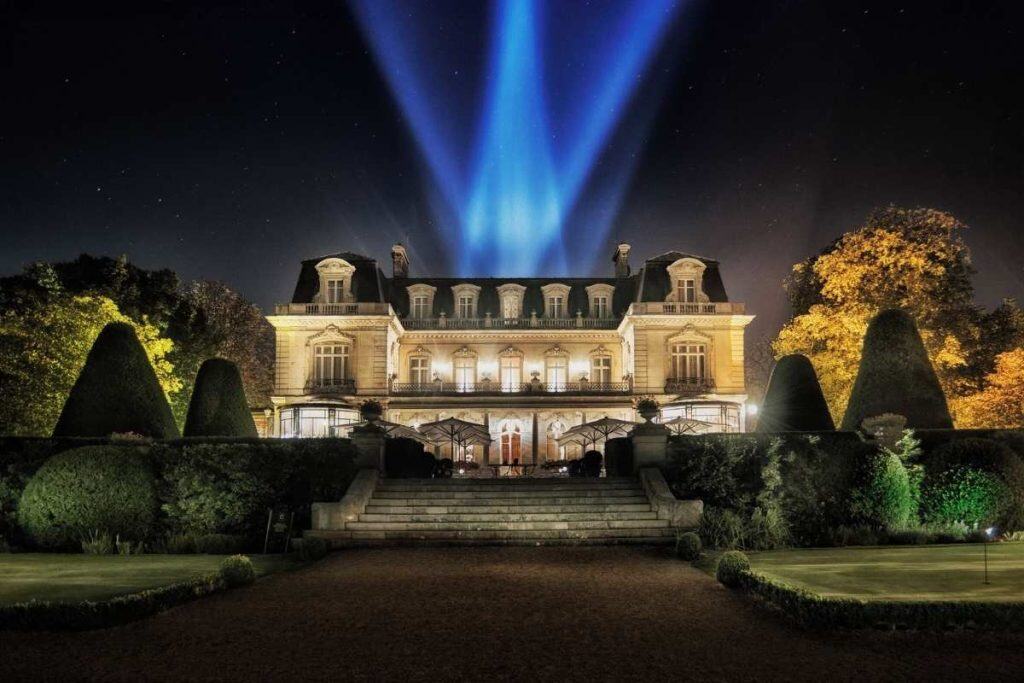
3. Loire Valley: Fairytale Castles & White Wines
Why Go?
If you love beautiful landscapes, castles, and lighter wines, the Loire Valley is a dream come true. This region is perfect for those who prefer white wines or rosés.
Perfect for beginners because:
- The wines are fresh, crisp, and easy to drink.
- Wineries here are small, friendly, and relaxed.
- It’s a perfect pairing of wine & sightseeing, with castles like Château de Chambord nearby.
Beginner-Friendly Wineries to Visit:
🍷 Domaine Huet – Famous for smooth, fruit-forward Chenin Blanc wines.
🍷 Château de Minière – An organic vineyard run by a welcoming family.
🍷 Bouvet Ladubay – Offers fun, sparkling wine tastings inside underground caves.
💡 Extra Tip: Many Loire Valley wineries don’t require reservations, making it easy to stop by spontaneously.
🛏️ Where to Stay in the Loire Valley
Stay in the heart of France’s castle country, with charming hotels and châteaux offering easy access to vineyards, riverside towns, and iconic sights.
-
✨ Château d’Artigny – 📍 Montbazon
A grand château hotel with elegant rooms, fine dining, and landscaped gardens—perfect for a romantic wine-country escape.
Check availability → -
✨ Domaine de la Tortinière – 📍 Veigné
Family-run château with a pool, tennis courts, and sweeping views of the Indre Valley—great for both couples and families.
Check availability → -
✨ Château de Rochecotte – 📍 Saint-Patrice
Historic estate with opulent interiors, a park, and a restaurant serving fine Loire cuisine—close to wine villages and châteaux.
Check availability →
💡 Tip: Many Loire Valley stays are in historic buildings—book early to secure rooms with the best views or castle proximity.
4. Rhône Valley: Affordable Reds & Rustic Charm
Why Go?
If you like full-bodied red wines that won’t break the bank, Rhône Valley is a great choice. It’s also a fantastic place for wine lovers who enjoy food, since Rhône wines pair beautifully with local cuisine.
Perfect for beginners because:
- Affordable tastings compared to Bordeaux or Champagne.
- Many vineyards have casual, laid-back atmospheres.
- Rhône wines are rich and flavorful but easy to enjoy.
Beginner-Friendly Wineries to Visit:
🍇 Château La Nerthe – One of the oldest wineries in the region, with scenic views.
🍇 Domaine de Mourchon – A small, family-run vineyard with friendly tastings.
🍇 Ferraton Père & Fils – Specializes in organic & biodynamic wines.
💡 Extra Tip: If you love food and wine pairings, visit Lyon (just north of the Rhône Valley), known as the culinary capital of France.
🛏️ Where to Stay in the Rhône Valley
Enjoy the charm of Rhône wine country with stays that blend vineyard views, historic charm, and easy access to tastings and local cuisine.
-
✨ La Bastide de Gordes – 📍 Gordes
Luxurious hilltop hotel with panoramic views, spa facilities, and refined Provençal decor—perfect for relaxing after wine tours.
Check availability → -
✨ Hôtel d’Europe – 📍 Avignon
Elegant 16th-century townhouse hotel offering classic French charm, fine dining, and proximity to Châteauneuf-du-Pape vineyards.
Check availability → -
✨ Le Clair de la Plume – 📍 Grignan
Boutique property with romantic rooms, a Michelin-starred restaurant, and a peaceful garden—ideal for a cultural wine escape.
Check availability →
💡 Tip: The Rhône Valley gets busy during harvest and summer—book early to lock in the most scenic and centrally located stays.
✨ Plan Your Perfect Trip — Stress-Free
Turn your travel dreams into a custom, day-by-day plan in just minutes. Whether you’re mapping out family adventures, cultural deep-dives, or a mix of both, our free AI-powered itinerary builder creates a schedule tailored to your dates, pace, and interests — so you can focus on making memories, not spreadsheets.
🍷 Quick Comparison of France’s Wine Regions
Not sure where to start? Here’s a side-by-side look at four of the most beginner-friendly wine regions in France.
| Region | Best For | Wine Style | Key Attractions | Ease of Access |
|---|---|---|---|---|
| Bordeaux | Iconic reds, wine education | Smooth, fruity Merlot blends | Châteaux tours, riverside wine bars | TGV from Paris (~2 hrs) |
| Champagne | Bubbly tastings, day trips from Paris | Sparkling Chardonnay & Pinot Noir blends | Cellar tours, famous Champagne houses | TGV from Paris (~45 min) |
| Loire Valley | Fairytale castles & light wines | Crisp whites, delicate rosés | Château de Chambord, riverside towns | TGV from Paris (~1.5 hrs) |
| Rhône Valley | Full-bodied reds, rustic charm | Grenache-Syrah blends | Hilltop villages, gourmet cuisine | Train to Lyon + car (~1 hr) |
💡 Tip: Choose your region based on both the wine style and the surrounding attractions—you can always plan a second trip for another region!
How to Visit French Wineries Without Feeling Overwhelmed
You don’t need a private chauffeur or a five-star wine tour to experience French vineyards like a pro. Here’s what you need to know:
1. Do You Need to Book in Advance?
- Bordeaux & Champagne – Yes, reservations recommended.
- Loire Valley & Rhône Valley – Many allow walk-ins but check in advance.
2. What to Expect in a Wine Tasting
- Tastings usually include 3 to 5 wines.
- Some wineries offer cheese or chocolate pairings.
- Most tastings last 30-60 minutes.
3. Do You Have to Buy Wine?
- No pressure! If you like a wine, buying a bottle is appreciated but not required.
- Many wineries ship internationally, so you don’t need to carry bottles home.
4. What to Wear?
- Dress casual but neat—no need for fancy outfits.
- Avoid strong perfumes, as they interfere with wine aromas.
5. How Much Do Tastings Cost?
- €5-€20 per person, sometimes waived if you buy a bottle.
- Luxury wineries (like Moët & Chandon) may charge €40+ for premium tastings.
🍇 Visiting French Wineries with Kids
Yes — you can absolutely enjoy France’s wine country as a family! Many wineries welcome children and even offer activities to keep them entertained while you sip and explore.
- Look for picnic-friendly estates with open lawns, gardens, or scenic views where kids can play while adults taste.
- Opt for shorter tastings (30–45 minutes) so little ones stay engaged and comfortable.
- Combine winery visits with nearby attractions like castles, petting zoos, or riverside walks for a balanced day.
- Pack snacks and water for kids, as many wineries don’t have child-friendly food on-site.
- Choose safe, stroller-friendly locations with flat paths and shaded areas.
💡 Tip: Some vineyards even offer grape juice tastings for kids — making them feel part of the experience!
Sustainable & Organic Wineries in France
If you care about sustainability, many French wineries are leading the way in organic and biodynamic winemaking.
🌿 Château de Pommard (Burgundy) – Biodynamic wine pioneer.
🌿 Château Maris (Languedoc) – Carbon-neutral vineyard.
🌿 Mas de Daumas Gassac (Languedoc) – Famous for organic winemaking.
💡 How to Spot Sustainable Wineries: Look for labels like AB (Agriculture Biologique) and Demeter.
🗺️Interactive travel maps
See Your Trip Come Alive on the Map
A peek at how GaiaGazer’s curated travel maps look right inside your Google Maps app—ready to guide you through each city.


1 / 4
Memorable Mentions: Hidden Gems & Unique Wine Experiences
Beyond the well-known regions, there are less touristy yet equally rewarding wine destinations in France that beginners will love:
1. Alsace: France’s Most Charming Wine Route
- Why go? If you love white wines (like Riesling and Gewürztraminer) and storybook villages, Alsace is a dream.
- Best winery for beginners: Domaine Weinbach – Offers warm, personalized tastings.
- Extra tip: Take the Alsace Wine Route for breathtaking views and small, welcoming vineyards.
2. Beaujolais: Fun, Light Wines Without the Prestige
- Why go? Beaujolais produces fruity, easy-drinking reds, perfect for newcomers.
- Best winery for beginners: Château de Pizay – Beautiful estate, relaxed tastings.
- Extra tip: Visit in November for Beaujolais Nouveau Day, when the year’s first wines are released.
3. Provence: The Home of Rosé
- Why go? This sunny, Mediterranean region is the best place in the world for rosé lovers.
- Best winery for beginners: Château d’Esclans – Makers of the famous Whispering Angel rosé.
- Extra tip: Many Provence wineries also produce olive oil, so tastings often include both!
How to Travel Between France’s Wine Regions
Visiting multiple wine regions in France is easier than you think! Here’s how:
🚆 By Train (Best for Scenic & Stress-Free Travel)
- Best for: Reaching Champagne, Bordeaux, and Loire Valley without renting a car.
- High-speed TGV trains make it easy:
- Paris → Champagne (45 min)
- Paris → Bordeaux (2 hrs)
- Paris → Loire Valley (1.5 hrs)
🚄 Planning to explore France by rail?
High-speed trains aren’t just fast—they’re one of the most scenic, stress-free ways to reach France’s top wine regions. From Champagne’s bubbly cellars to Bordeaux’s vineyards, the journey can be just as magical as the destination. Read our complete France by Train Travel Guide for insider tips, route ideas, and how to book the best seats.
🚗 By Car (Best for Flexibility)
- Best for: Exploring Loire Valley, Rhône Valley, and Provence at your own pace.
- Tip: Renting a car is essential for more rural vineyards.
🚌 By Guided Wine Tour (Best for Convenience)
- If you don’t want to drive, a guided wine tour is hassle-free and often includes hotel pickup.
- Many wine regions offer half-day and full-day tours with multiple vineyard visits.
💡 Budget Tip: Many wine regions have “open house” weekends where tastings are free or discounted.
Sample 7-Day France Wine Trip Itinerary
Want to experience France’s wine culture without rushing? Here’s a relaxed, beginner-friendly route that blends vineyards, culture, and stunning landscapes.
- Day 1–2: Bordeaux – Explore the city’s famous châteaux, join a guided tasting, and enjoy dinner at a riverside wine bar.
- Day 3: Loire Valley – Visit fairytale castles like Château de Chambord and taste crisp Chenin Blanc at small, family-run wineries.
- Day 4–5: Champagne – Take the train from Paris to Reims or Épernay. Tour iconic houses like Moët & Chandon and discover smaller family producers.
- Day 6: Rhône Valley – Taste full-bodied reds in Châteauneuf-du-Pape and pair them with Provençal cuisine.
- Day 7: Lyon – Wrap up your trip with a food-focused day in France’s culinary capital, pairing local specialties with Rhône wines.
💡 Tip: Adjust travel days based on your arrival airport and pace. If traveling by train, group regions closer together to save time.
Best Time to Visit France’s Wine Regions
Each season offers a unique experience:
| Season | Why Visit? |
|---|---|
| Spring (March-May) | Fewer tourists, vineyards in bloom 🌿 |
| Summer (June-August) | Best weather, but busier ☀️ |
| Fall (September-October) | Harvest season, most exciting time 🍇 |
| Winter (November-February) | Quieter, great for Champagne & indoor tastings 🍷 |
💡 If you want to see winemaking in action, visit during the harvest season (September-October).
🍷 Annual Wine Events Worth Planning Around
If you time your trip right, you can pair vineyard visits with France’s most exciting wine festivals and harvest celebrations. These events add a festive, cultural touch to your tasting experience.
- Bordeaux Wine Festival (June, Bordeaux) – A multi-day celebration along the Garonne River with tastings, fireworks, and cultural shows.
- Champagne Day (October, worldwide but special events in Reims & Épernay) – Tastings, cellar tours, and exclusive releases from top houses.
- Loire Valley Harvest Festivals (September–October, various towns) – Local music, markets, and hands-on grape-picking experiences.
- Fête des Crus du Beaujolais (April, Beaujolais) – A joyful spring festival celebrating the region’s fresh, fruity wines.
- Les Vendanges de Montmartre (October, Paris) – A quirky urban harvest festival with parades, music, and wine from the city’s own vineyard.
💡 Tip: Book accommodations early during festival dates — rooms in popular wine towns can sell out months ahead.
🍇 Best Time for Harvest Festivals in France
France’s wine harvest season isn’t just about picking grapes — it’s also a time of lively festivals, parades, and feasts. Here are a few worth planning your trip around:
- Fête des Vendanges de Montmartre (Paris) – Early October – A village-style grape harvest festival in the heart of Paris, with tastings, concerts, and artisan markets.
- Fête des Vendanges de Bordeaux – Mid-September – Celebrates the region’s wine heritage with open châteaux, street performances, and regional food stalls.
- Fête du Vin de Chablis (Burgundy) – Late October – A charming small-town harvest celebration featuring Chablis tastings, vineyard tours, and local food pairings.
- Ban des Vendanges de Champagne (Épernay & Reims) – September – Traditional ceremony marking the start of the Champagne harvest, with parades and cellar openings.
💡 Booking Tip: These events draw large crowds, so reserve accommodations and wine tours several months in advance — especially if traveling during September and October.
✨Playful trip inspiration
Not Sure Where to Go Next?
Take a quick, low-pressure travel quiz and let GaiaGazer match you with destinations, travel styles, and ideas that actually fit your energy, budget, and season of life.
- Fun, bite-sized questions—no sign-up required to play.
- Results tailored for families, couples, and solo explorers.
- Perfect for sparking new trip ideas when you’re stuck deciding.
Final Tips for an Amazing Wine Trip
- 🛂 Know Before You Go: No visa is needed for short stays if you’re from the U.S., Canada, UK, or Australia (however, always check the relevant embassy in your country for any Visa requirements changes in case of a last-minute change!)
- 🍽️ Pair Wine with Local Food: French wine tastes even better with regional dishes—don’t skip the cheese & charcuterie!
- 📖 Keep Notes: If you love a wine, take photos of the label or use an app like Vivino to remember it.
- 📦 Shipping Wine Home: Many wineries offer international shipping, so you don’t need to carry bottles.
🍽️ Wine & Food Pairing Highlights by Region
Enhance your wine experience by pairing each region’s specialties with its signature bottles. Here’s a quick pairing guide for your French vineyard adventures:
- Bordeaux – Merlot or Cabernet Sauvignon with Entrecôte à la Bordelaise (ribeye with rich wine sauce) or aged Comté cheese.
- Champagne – Brut Champagne with oysters, smoked salmon, or delicate gougères (cheese puffs).
- Loire Valley – Crisp Chenin Blanc with goat cheese from Chavignol or fresh river fish like pike-perch.
- Rhône Valley – Full-bodied Syrah with lamb stew, or Grenache blends with ratatouille and Provençal herbs.
- Alsace – Aromatic Riesling with tarte flambée or Munster cheese.
- Provence – Dry rosé with Niçoise salad, bouillabaisse, or grilled Mediterranean vegetables.
💡 Tip: Many wineries offer tasting menus or cheese boards — try them to discover your own favorite pairings.
Conclusion: Enjoying French Wine, Your Way
Whether you’re sipping Champagne in a grand Maison, enjoying a casual tasting in the Loire Valley, or discovering a hidden gem in Beaujolais, France’s wine culture is for everyone—not just the experts.
The beauty of exploring France’s vineyards is that you don’t need a sommelier’s vocabulary—just a love for good wine, great company, and unforgettable travel experiences.
👉 Ready to explore France’s wine regions? Share your dream wine trip in the comments below!
Frequently Asked Questions
In popular regions (Bordeaux, Champagne, Burgundy) yes—book 1–2 weeks ahead, especially weekends and harvest. Smaller estates may accept walk‑ins, but calling ahead is wise.
Many are. Look for estates with gardens, picnics, or vineyard walks. Bring quiet activities for kids and aim for shorter visits or outdoor tastings.
Spring and early autumn offer mild weather and vineyard color. Harvest (Sept–Oct) is magical but busier; winter is quiet with more appointment‑only visits.
Use trains between hubs (e.g., Paris–Reims, Bordeaux–Saint‑Émilion), then local taxis, rideshares, e‑bikes, or guided tours for winery hops—safe and stress‑free.
For a week, focus on one region (two at most). Plan 2–3 tastings per day with time for villages, markets, and kid‑friendly breaks.
Target co‑ops and lesser‑known appellations, book midweek, and share tasting flights. Picnics with local bread/cheese keep costs low and vibes high.
Many estates or wine shops can arrange shipping. Otherwise, pack bottles in protective sleeves inside checked luggage—check your airline’s limits.
Book ahead, arrive on time, taste in order (light to full‑bodied), use the spittoon, and buy a bottle if you loved the experience—it’s a nice thank‑you.


📌 Love cultural travel? Explore more ideas on Pinterest →

Comments