Tokyo With Young Kids: A Calm Family-First Guide

Follow Gaia Gazer for more meaningful adventures:
💡 This post may include affiliate links. We only recommend what we love — thanks for your support!

Introduction: Tokyo Can Be Gentle, Even With Little Ones

Tokyo has a reputation that can make parents pause.
Crowded crossings. Neon lights. A language you don’t speak. A pace that feels relentless from the outside.

And yet, some of Tokyo’s most memorable moments with children happen in near silence.

A quiet residential street just after sunrise.
The soft chime of a pedestrian signal.
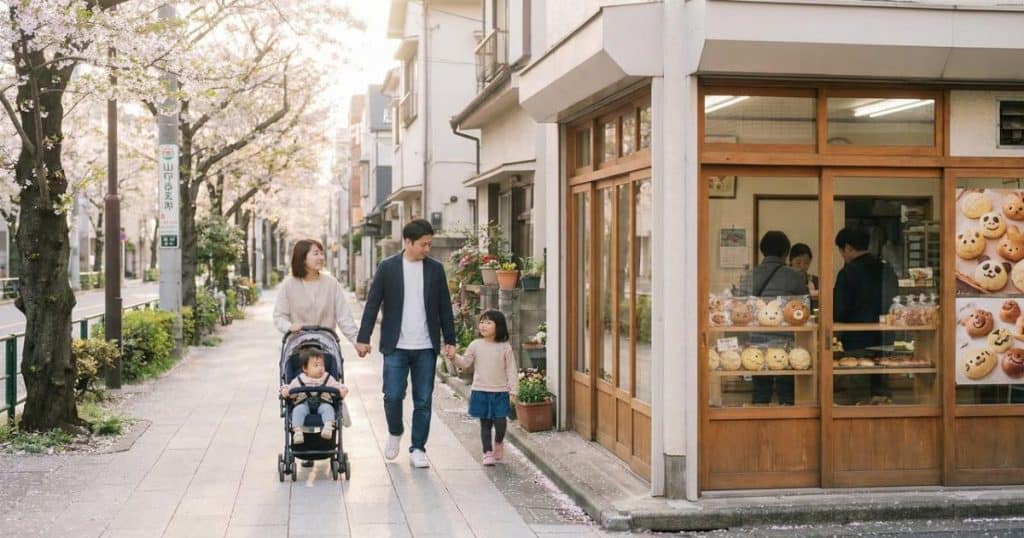
A bakery window filled with cartoon-shaped bread, stopping your children mid-step.

Traveling Tokyo with young kids doesn’t have to feel overwhelming or rushed. When approached thoughtfully, the city reveals itself as orderly, safe, and surprisingly attentive to families — especially those moving at a slower, child-centered pace.

This guide isn’t a checklist of must-see sights or a race between attractions. It’s a calm, family-first rhythm guide designed to help you experience Tokyo with confidence and ease. You’ll learn how to pace your days, choose neighborhoods that support young children, and enjoy the city in a way that feels joyful rather than exhausting.

The goal isn’t to see more.
It’s to feel more — together.

TL;DRTokyo with young kids, made calmer

A gentle way to experience Tokyo as a family

Tokyo can feel big on paper, but it often feels surprisingly orderly and family-friendly once you slow the pace. This guide focuses on neighborhood-based planning, simple daily rhythms, and low-stress logistics for little ones.

  • Think in neighborhoods, not checklists: explore one area well each day, with time for parks, snacks, and small discoveries.
  • Choose your base for calm: residential-feeling areas with parks and walkability can save energy (and reduce stroller stress).
  • Use early mornings as your advantage: the city is quieter, transit is easier, and kids’ natural routines often line up perfectly.
  • Plan around resets: short breaks, convenience-store snacks, and a single “anchor” activity per day keep everyone steady.
  • Etiquette can stay simple: model gentle awareness (especially on trains) without turning the trip into a rulebook.

Aim for “calm and connected” — Tokyo rewards families who travel a little slower.

Digital mockup of GaiaGazer’s free London travel map and planning resources bundle on a tablet

Free travel toolbox

Free London map & travel toolkit

Grab a beautifully organized London travel map plus a mini bundle of planning resources to make future city trips feel calmer and more intentional.

  • Key neighborhoods, highlights, and photo-friendly spots
  • Simple tools for budgeting, bookings, and navigation
  • Designed for busy, tech-savvy travelers and families

No spam, ever — just thoughtful travel emails and resources you can actually use.

Understanding Tokyo With Young Kids (Before You Plan Anything)

Why Tokyo Feels Intimidating — and Why It Usually Isn’t

At first glance, Tokyo looks like sensory overload. The scale is massive, the population dense, and the transit system famously complex.

In reality, Tokyo is one of the most predictable and well-organized cities in the world — qualities that quietly support families.

Trains run on time. Streets are clean. Public behavior follows unspoken rules that reduce chaos. Crime rates are low, and public spaces are designed to move large numbers of people smoothly rather than aggressively.

For families, this predictability matters.
It means fewer surprises, clearer routines, and less mental load while navigating a new place.

What feels intimidating from afar often feels calming once you’re there.


What “Young Kids” Means in This Guide

This guide is written for families traveling with toddlers through early elementary-aged children.

Children in this age range experience Tokyo differently than teens.
They need more breaks, earlier bedtimes, familiar food options, and space to reset when stimulation builds.

Rather than long attraction lists or fast-paced itineraries, young kids benefit from:

  • Short outings with clear beginnings and endings
  • Repetition and routine
  • Time outdoors
  • Opportunities to observe everyday life

Understanding this from the start helps shape a more enjoyable Tokyo family travel experience for everyone.


One Core Mindset Shift That Changes Everything

The most important shift families can make is simple:

Fewer sights. Deeper moments.

Tokyo isn’t best experienced as a checklist of landmarks. It’s a city of neighborhoods, each with its own rhythm, textures, and small discoveries.

Think of Tokyo not as one overwhelming metropolis, but as a sequence of walkable pockets. When you treat each day as a chance to explore one area well — rather than many areas briefly — the city becomes manageable, even gentle.

A slow morning walk past a local bakery.
Kids pointing excitedly at character-shaped bread in the window.
A short park visit before lunch.

These moments often become the memories children carry home.

Choosing the Right Neighborhoods for a Calm Family Stay

Neighborhoods That Naturally Work Well With Young Children

Not all Tokyo neighborhoods feel the same — and that’s a gift.

Many areas outside the major commercial hubs offer exactly what families with young kids need: space, calm evenings, and access to everyday life.

Family-friendly neighborhoods tend to share a few qualities:

  • A residential feel with local shops
  • Small parks within walking distance
  • Wider sidewalks and quieter streets
  • Cafés and restaurants that close earlier, encouraging rest

Staying in these areas supports a slower pace and reduces reliance on constant transit. Even short walks feel easier when streets are calmer and familiar faces start to appear.


Areas That Can Feel Overstimulating (and How to Handle Them)

Some parts of Tokyo are undeniably busy — especially major transport hubs and entertainment districts.

The key isn’t avoidance.
It’s timing.

Busy areas often feel manageable, even enjoyable, when visited early in the day or for short, focused outings. Morning visits allow families to experience iconic neighborhoods before crowds peak, then retreat to calmer areas for lunch and rest.

This approach lets you enjoy Tokyo’s energy without letting it dominate your day.


How Location Affects Your Daily Energy Levels

Where you stay shapes how your days unfold.

Neighborhoods that prioritize walkability reduce the number of decisions you need to make. Fewer train rides mean fewer stairs, fewer transfers, and fewer moments of hurry.

Staying close to everyday life — grocery stores, bakeries, small parks — supports natural rhythms. Children feel more grounded when their surroundings repeat, even in a foreign country.

Sometimes, the calmest Tokyo experiences happen far from the landmarks.


Where to Stay in Tokyo With Young Kids (Calm, Practical Bases)

When you’re traveling with little ones, your accommodation isn’t just “where you sleep.” It’s your reset button — the place you’ll return to when naps run late, shoes get wet, or everyone needs ten quiet minutes and a snack.

A calm Tokyo base usually comes down to three things: walkability, predictability, and ease of transit.

Start by choosing the kind of stay that matches your family’s rhythm:

  • Apartment-style or “extra space” stays can be a lifesaver for toddlers and early bedtimes. A kitchenette or microwave makes breakfasts simple, and having a separate sleeping area helps everyone rest better.
  • A quiet, residential-feeling area near a park often makes mornings and evenings smoother. You’ll spend less energy “getting out the door,” and kids can burn off steam without needing a train ride.
  • A transit-friendly base (but not directly inside the busiest hub) works well if you plan short day trips around the city. Being one or two stops away from a major station can feel calmer while staying connected.

When you’re comparing options, prioritize family comfort filters over “central” hype:

  • Step-free access or elevators (especially with a stroller)
  • Room layout (two beds, family rooms, or a separate sleeping space)
  • Laundry access (in-unit or nearby)
  • A convenience store and a small park within a short walk

A simple rule of thumb: a slightly calmer location often saves more energy than a “perfect” address — and in Tokyo, that energy is what keeps the whole trip feeling light.

Stay calmer • sleep better

A quick “family base” checklist for Tokyo

When you’re choosing where to stay, “most central” matters less than a base that makes mornings, naps, and evenings feel simple.

  • Step-free access: elevator entry helps with strollers (and sleepy carries).
  • Room setup: two beds or a separate sleeping space for earlier bedtimes.
  • Everyday nearby: a convenience store and a small park within an easy walk.
  • Fewer transfers: fewer train changes often beats “closer on a map.”
  • Laundry option: in-unit or close by for longer trips with little ones.

Want to compare family-friendly stays by neighborhood? These tools help you filter for elevators, larger rooms, and flexible cancellation.

Gentle note: with a stroller, a slightly quieter neighborhood with simpler transit can feel more “central” in real life than a busy hub. (Links may be affiliate.)


Daily Rhythm: How Families Actually Enjoy Tokyo

Why Early Mornings Are Tokyo’s Secret Gift

Early mornings are one of Tokyo’s greatest gifts to families.

The city wakes gently. Streets are quieter. Parks feel open and welcoming. Trains are relaxed, and shopkeepers begin their day with unhurried routines.

This rhythm aligns beautifully with young children, who often wake early anyway. By starting your day sooner, you experience Tokyo at its most peaceful — and finish earlier, too.

It’s also culturally natural. Early starts are common in Japan, and you’ll never feel out of place arriving somewhere before the crowds.


Planning Around Naps, Snacks, and Downtime

Successful Tokyo travel with kids depends on respecting small needs before they become big problems.

Convenience stores play a surprisingly helpful role here. They’re clean, plentiful, and offer quick snacks, drinks, and simple meals that help bridge gaps between sit-down dining.

Build short “reset breaks” into your day:

  • A park bench after walking
  • A quiet café mid-morning
  • Time back at your accommodation before dinner

These pauses prevent overstimulation and give everyone space to recharge.


One Anchor Activity Per Day Is Enough

One meaningful anchor activity per day is often more than enough with young kids.

This approach reduces friction and keeps expectations realistic. Everything else becomes optional: a stroll, a playground, a spontaneous snack stop.

Flexibility is the real luxury when traveling Tokyo with kids.
When plans feel light, joy comes more easily — and meltdowns happen less often.

Klook.com

Need More Help Planning Your Trip?

Explore our most-loved guides on flight issues, safety, packing, money, and budgeting so every trip feels calmer and more prepared.

Air travel help

Flight Delayed or Canceled?

Learn your rights, what to do next, and how to handle compensation or rebooking without panic.

On-the-road safety

Travel Safety, Simplified

Calm, practical safety habits and tools that help you feel prepared without feeling overwhelmed.

Packing & gear

Pack Like a Pro

Smart packing lists, space-saving ideas, and mindset shifts that keep your suitcase lighter.

Money abroad

Currency Exchange Without Stress

How to handle cards, cash, and ATMs so you keep more of your money when you travel.

Trip budgeting

Master Travel Budgeting

Build realistic trip budgets, avoid surprise costs, and make room for the moments that matter.

Getting Around Tokyo With Young Kids (Without Stress)

Moving around Tokyo with children may look complex on a map, but in practice, it’s one of the most reliable and family-manageable transit systems in the world — especially when expectations are set correctly.

Trains, Strollers, and Elevators: What to Expect

Tokyo’s rail network is extensive, clean, and punctual. For families, that reliability matters more than speed.

Most major stations are stroller-accessible, with elevators clearly marked. However, stations can be large, and transfers sometimes involve longer walks than expected. Planning extra buffer time helps keep things calm.

A few practical realities to know:

  • Not every exit has an elevator, but staff are helpful if you need guidance
  • Compact, foldable strollers are easier to manage
  • Boarding areas are clearly marked, which helps children understand where to stand

The system rewards patience rather than rushing.

When Walking Is Better Than Riding

Some of the most enjoyable Tokyo family moments happen on foot.

Many neighborhoods are flat, safe, and visually engaging for children. Short walks between cafés, parks, and shops often feel easier than navigating multiple train lines for short distances.

Walking also allows children to absorb the rhythm of daily life — delivery bikes passing by, neighbors greeting each other, seasonal decorations appearing quietly in storefronts.

If a destination is under 20 minutes away on foot, walking is often the calmer choice.


Simple Transit Habits That Make a Big Difference

A few small habits can transform transit days:

  • Travel outside rush hours when possible
  • Stand to the side of doors rather than directly in front
  • Let children observe quietly rather than entertain loudly

These norms aren’t about strict rules. They’re about shared space — and children often adapt naturally when adults model calm behavior.

Tokyo rewards awareness more than perfection.

Food in Tokyo With Young Kids: Easier Than You Think

Food is often one of parents’ biggest worries when traveling internationally. In Tokyo, it’s usually one of the easiest parts of the day.

Why Tokyo Is Surprisingly Kid-Friendly at Mealtimes

Japanese food culture values simplicity, freshness, and consistency — qualities that work well for children.

Plain rice, noodles, grilled items, soups, and soft textures are widely available. Portions are flexible, and many restaurants are accustomed to diners ordering fewer items or sharing plates.

Meals tend to arrive quickly, which helps with short attention spans.


Low-Stress Eating Options Families Appreciate

Casual eateries are everywhere, especially near residential areas and stations. These places prioritize efficiency and comfort over ceremony.

You’ll often find:

  • Counter seating where kids can watch food being prepared
  • Simple menus with clear visuals
  • Fast service that respects a family’s pace

Eating well in Tokyo doesn’t require formal dining — some of the most satisfying meals are simple and unpretentious.


Grocery Stores, Bakeries, and Convenience Foods

Local grocery stores and bakeries quickly become family anchors.

They offer familiar staples alongside gentle introductions to Japanese flavors. Convenience stores, while modest in size, are clean and thoughtfully stocked — making them ideal for quick snacks, breakfast items, or emergency hunger moments.


Parks, Playgrounds, and Open Space in a Dense City

Tokyo’s density makes its green spaces feel especially valuable — and families benefit from them more than most.

Why Green Spaces Matter More Than Attractions

Parks provide emotional balance.

After navigating streets, stations, and shops, open space gives children a chance to regulate. Running, climbing, or simply sitting still can reset an entire day.

For parents, parks offer something equally important: a pause.


Types of Parks You’ll Find Across Tokyo

Tokyo’s parks range from small neighborhood playgrounds to expansive landscaped gardens.

Neighborhood parks are especially useful for families. They’re informal, local, and designed for everyday use rather than sightseeing. Children often play alongside local kids, creating quiet moments of connection without language barriers.

Larger parks offer longer walks, seasonal scenery, and space to slow down together.

Klook.com

Letting Kids Lead for an Hour

Giving children unstructured time in a park can be one of the most meaningful parts of your trip.

Instead of directing, observe.
Instead of rushing, wait.

Watching how children interact with unfamiliar spaces — respectfully, curiously — often reveals how adaptable they truly are.

Cultural Etiquette Families Should Know (Simply and Gently)

Japan values harmony and consideration, but that doesn’t mean children aren’t welcome.

The Good News: Kids Are Welcome, Even When Quiet Is Valued

Children are understood to be children.

While public spaces are generally quiet, families are not expected to be invisible. Small noises, questions, and movement are part of daily life — especially when parents remain attentive.

The culture values effort more than perfection.


A Few Easy Etiquette Habits to Model

Simple behaviors go a long way:

  • Speaking softly on trains
  • Removing shoes indoors when required
  • Saying thank you, even with a nod or smile

Children often mirror these habits naturally, especially when framed positively rather than as restrictions.


Teaching Respect Without Creating Anxiety

Etiquette in Tokyo doesn’t need to feel heavy.

Approach it as curiosity:
“This is how people here like to do things.”

When respect is framed as learning rather than rule-following, children feel included rather than corrected.


Managing Expectations: What Tokyo Won’t Be — and Why That’s Okay

No trip unfolds exactly as imagined — and that’s especially true with young children.

You Won’t “See Everything” — and You Shouldn’t Try

Tokyo is vast. Trying to experience it all creates pressure that benefits no one.

Accepting limits early allows you to focus on what matters: shared experiences that feel good in the moment.

Missing something isn’t failure.
It’s prioritization.

Why Slow Travel Creates Stronger Family Memories

Children remember how places felt, not how many sights they saw.

A familiar walk.
A favorite bakery.
A park visited twice.

These repeated experiences create comfort — and comfort allows curiosity to grow.

Redefining a “Successful” Day in Tokyo

A successful day might include just one highlight.

A smile.
A shared laugh.
A calm train ride.

When expectations are gentle, satisfaction comes easily.

Klook.com

Conclusion: Tokyo With Young Kids Can Be Calm, Connected, and Meaningful

Traveling Tokyo with young kids doesn’t require bravery or endurance. It requires intention, pacing, and trust — in the city and in your family.

Tokyo meets families halfway.
It offers safety without rigidity, structure without coldness, and moments of wonder woven into everyday life.

When you slow down, choose thoughtfully, and allow space for rest, the city opens gently — revealing a version of Tokyo that feels welcoming, human, and deeply memorable.

If you’ve traveled Tokyo with children, or are planning your first family visit, feel free to share your questions or reflections. Every family finds their own rhythm here — and that’s part of the beauty.

Quick answers

Frequently Asked Questions About Tokyo With Young Kids

A few calm, practical answers for parents planning Tokyo with toddlers and early elementary-age kids.

What’s the easiest way to plan Tokyo with a toddler without getting overwhelmed?

Plan Tokyo by neighborhoods, not by a long attraction list. Pick one “anchor” outing per day, then build in parks, snack stops, and a quiet reset window. A slower rhythm usually leads to calmer kids (and a happier trip).

Are strollers practical in Tokyo, or should we bring a baby carrier instead?

Strollers can work well, especially in neighborhood areas and larger stations, but compact and foldable models are noticeably easier on trains and during long station walks. Many families bring both: a stroller for long days and a carrier for stairs, tight spots, or quick transfers. If you can only choose one, think about your child’s nap needs and your daily walking style.

Which parts of Tokyo tend to feel calmer for families with young kids?

Families often feel most comfortable in areas with a residential vibe, nearby parks, and easy walking for everyday needs. The calm isn’t about being far from everything — it’s about staying somewhere that lets you step outside without instantly hitting crowds. If you do want busier districts, try visiting early in the day and keeping it short.

What’s a realistic daily itinerary pace for Tokyo with small children?

Most families do best with one main outing, one park/play break, and one flexible “wander” window — that’s it. Early mornings are often the easiest time for transit and sightseeing, with a slower midday that protects naps and moods. If everyone is still smiling after dinner, you paced it right.

Is it hard to find kid-friendly food in Tokyo?

It’s usually easier than parents expect. Tokyo has plenty of simple options — rice, noodles, grilled dishes, soups, bakery items — and quick meals are widely available when hunger hits fast. If your child is cautious with new flavors, start familiar and let curiosity build slowly over the trip.

Illustrated portrait of the GaiaGazer travel couple enjoying a winter city break
Why you can trust this guide

Created by a travel-obsessed couple with years of real-world trips

GaiaGazer Travel Editors • Family & Cultural Travel Enthusiasts

Behind GaiaGazer is a couple who has spent years exploring the world together — from rail journeys across Europe to road trips in the U.S. and city adventures in Japan. We’ve logged hundreds of travel days, tested countless itineraries with and without kids, and refined what actually feels good on the ground.

  • Extensive experience across dozens of destinations in Europe, the U.S., and Japan
  • Seasoned family travelers, used to planning days that work for toddlers, teens, and tired adults
  • Tech-savvy navigation: confident with map tools, currency apps, booking platforms, and transport planners
  • Focused on clear, practical advice that balances must-sees with downtime and realistic pacing

Every GaiaGazer guide is built from a mix of firsthand experience, careful research, and a deep respect for local culture. If you’d like extra help shaping your trip, you can start with our free AI itinerary builder or explore a more hands-on option through our Premium Curated Trips.

Plan with ease

Your Journey, Beautifully Organized

Free AI Itinerary Builder

A gentle, fast way to shape your perfect trip — tailored routes, family-friendly pacing, and cultural picks in seconds.

  • Instant day-by-day plans
  • Adapts to your style & timing
  • Save, edit, and refine anytime

Premium Curated Trips

Prefer a fully handcrafted experience? Let our travel designers create a seamless, beautifully balanced itinerary for you.

  • Expert human planning
  • Handpicked stays & experiences
  • Flexible support levels

📌 Love cultural travel? Explore more ideas on Pinterest

Share this guide

Comments

Leave the first comment