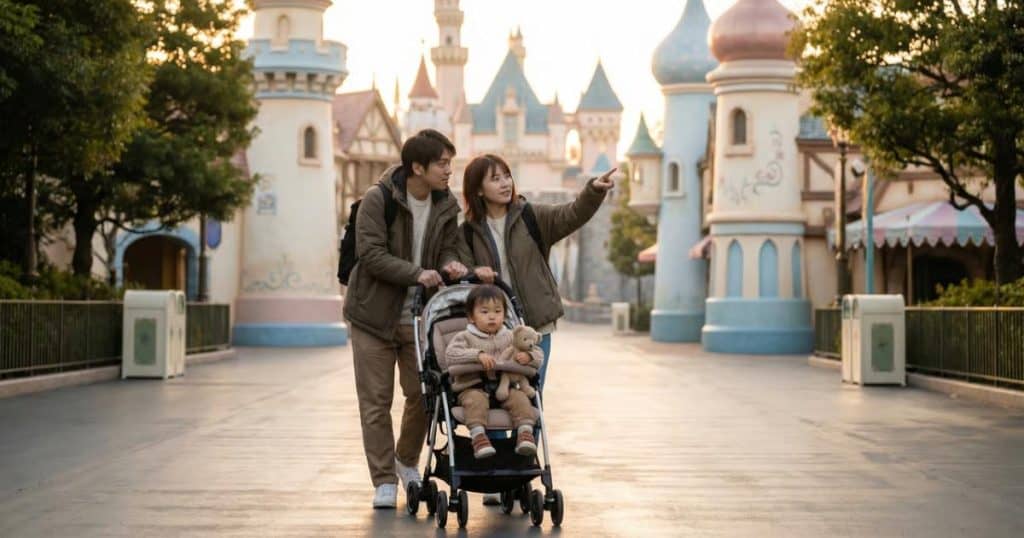
Introduction: Tokyo Theme Parks Through a Young-Child Lens
There’s a moment many families recognize.
The photos look magical. The anticipation is sky-high. And then—somewhere between the entrance gates and the first long queue—excitement quietly turns into exhaustion.
If you’re planning Tokyo theme parks with kids, especially toddlers and preschoolers, this guide is here to slow the pace and reset expectations. It isn’t a hype-driven countdown of rides. It’s a calm, realistic look at what actually works for young children in Tokyo’s theme park culture—and what often doesn’t.
Tokyo does theme parks exceptionally well. They are polished, immersive, and beautifully run. But they are also structured, busy, and more intense than many families expect, particularly with little ones who still need naps, snacks, and emotional breathing room.
In the sections ahead, you’ll get clear guidance on which parks tend to suit toddlers best, where families often feel strain, and how to approach these experiences in a way that protects energy, joy, and connection. The goal isn’t to “do it all.” It’s to leave with good memories—and a happy child at the end of the day.
TL;DR • Tokyo theme parks with young kids
A realistic way to keep the magic… without the meltdown
Tokyo’s theme parks can be wonderful with toddlers—but they’re also structured, busy, and more demanding than many families expect. This quick preview helps you choose what fits your child’s age, energy, and your family’s pace.
- Tokyo Disneyland tends to suit toddlers best: gentle rides, bright storytelling, and “small magic” moments that land even for preschoolers.
- DisneySea is stunning—but often not toddler-focused: darker themes, more walking, and ride restrictions mean it’s usually better for older kids or parent-led visits.
- Indoor options can feel easier: places like Sanrio Puroland or LEGOLAND Discovery Center offer shorter, more predictable fun (great around nap schedules).
- Pacing matters more than “doing it all”: a half-day plan, one-zone focus, and planned quiet breaks often lead to happier endings.
- Choosing the right park is about alignment: your child’s tolerance for crowds + noise, stroller realities, and what kind of day your family actually wants.
Gentle tip: if you’re debating between parks, decide based on your toddler’s rhythm first—then build the “magic” around that.

✨ Free travel toolbox
Free London map & travel toolkit
Grab a beautifully organized London travel map plus a mini bundle of planning resources to make future city trips feel calmer and more intentional.
- Key neighborhoods, highlights, and photo-friendly spots
- Simple tools for budgeting, bookings, and navigation
- Designed for busy, tech-savvy travelers and families
No spam, ever — just thoughtful travel emails and resources you can actually use.
Understanding Tokyo Theme Parks With Young Kids
Tokyo’s parks are often described as family-friendly, but that phrase can be misleading when traveling with toddlers. Understanding how theme parks function culturally and practically in Japan helps prevent mismatched expectations before you arrive.
What “Theme Parks” Really Mean in Tokyo
Japanese theme parks are known for precision. Queues move in orderly lines. Rules are followed closely. Schedules—especially for parades and shows—matter.
This level of organization creates a calm surface experience, but it also demands patience and structure from visitors. You’ll notice fewer spontaneous shortcuts, less flexibility around timing, and a strong emphasis on following the system as designed.
For families with young children, this can feel both reassuring and demanding. Everything works—but it works on the park’s rhythm, not your child’s.
Age, Energy, and Expectations
A park labeled “kid-friendly” doesn’t always translate to “toddler-friendly.”
Young children process stimulation differently. Bright visuals, layered music, crowds, and anticipation can be thrilling at first, then overwhelming without warning. Add missed nap windows and long waits, and even gentle attractions can become too much.
Strollers are common and accepted in Tokyo parks, but navigating dense crowds takes patience. Elevators and ramps exist, yet they can involve detours and additional waiting.
A helpful micro-moment to watch for: when your child stops pointing and starts clinging. That’s often the sign that excitement has quietly tipped into fatigue.
👉 Trusted travel tools
Helpful links that keep trips smoother and costs in check.
Wise: fair currency exchange
Pay like a local and avoid hidden FX fees when booking trains, stays, and tours.
VisitorsCoverage: flexible cover
Compare travel insurance options that fit your trip length, style, and budget.
Airalo: easy local data
Install an eSIM before you fly so maps, tickets, and messaging work the moment you land.
Tokyo Disneyland With Young Kids: What Works, What Doesn’t
For many families, Tokyo Disneyland is the first park they consider—and with good reason. It’s the most accessible and familiar option for young children.
The Magic That Truly Lands for Toddlers
Tokyo Disneyland excels at gentle storytelling. Classic dark rides move slowly, characters are expressive, and the environments feel bright rather than intense.
Music drifts through themed lands at a soft, constant pace. Colors are warm and inviting. For toddlers, this creates a sense of wonder without fear.
Character sightings—often viewed from a respectful distance—are especially meaningful for younger kids who may feel overwhelmed by close interactions. Even simply watching Mickey wave from afar can feel magical at age three.
Where Parents Often Feel the Strain
The challenge isn’t the rides. It’s the waiting.
Queues can stretch longer than families expect, especially during peak seasons. Parade schedules create natural crowd surges, which can disrupt a child’s rhythm if you’re not prepared.
There’s also a cultural emphasis on planning your day in advance. Flexibility exists, but it requires conscious choices—like skipping popular attractions or leaving earlier than planned.
Feeling tired here doesn’t mean you’re doing it wrong. It usually means you’re doing it honestly.
Best Approach for Families With Small Children
For toddlers and preschoolers, a half-day visit often works better than a full one.
Choose one land or area and let it unfold slowly. Resist the urge to chase every highlight. Quiet corners, shaded benches, and indoor attractions can serve as emotional reset points.
Leaving while your child is still smiling—even if you haven’t “seen everything”—often becomes the difference between a good memory and a long, draining day.
Klook.comTokyo DisneySea With Toddlers: Is It Worth It?
This is where many families hesitate, and for good reason.
Why DisneySea Is Beautiful—but Not Built for Toddlers
Tokyo DisneySea is widely considered one of the most visually stunning theme parks in the world. Its architecture, waterways, and layered storytelling are remarkable.
But much of that beauty is designed with older children and adults in mind.
Rides tend to be darker, more atmospheric, and more restricted by height. The emotional tone leans adventurous rather than playful. For toddlers, this can feel confusing or even unsettling.
Accessibility is good overall, yet the park’s sheer scale means longer walks and fewer natural rest zones for very young visitors.
When DisneySea Might Still Make Sense
DisneySea can work if your family includes older siblings who are the primary focus of the day, and your toddler is content observing from a stroller.
It may also appeal to parents who value ambiance over rides and are comfortable framing the visit as an adult-led experience with limited expectations for little ones.
The clearest way to decide is to ask a simple question: Is this day for them—or for us?
If the answer is “mostly for us,” DisneySea can be beautiful. If the answer is “for our toddler,” it often isn’t the right fit.
Sanrio Puroland: A Softer, Indoor Alternative
When families imagine theme parks in Tokyo, they often picture sprawling outdoor spaces. Sanrio Puroland offers something very different—and for toddlers, that difference can be a relief.
Why It Appeals to Younger Children
Sanrio Puroland is fully indoors, compact, and intentionally gentle. There are no long outdoor walks, no weather concerns, and far fewer sensory spikes than at larger parks.
The environment is pastel-toned and softly lit. Music plays at a calmer volume. Characters move slowly and deliberately, often interacting at a child’s eye level. For toddlers, this can feel approachable rather than overwhelming.
Because the park is smaller, young children can explore without the constant stop-and-go pressure of rushing between attractions. Many families find that even a short visit feels complete rather than rushed.
Realistic Limitations Parents Should Know
Puroland is not a full-day destination for most families. Two to four hours is often enough, especially with preschoolers.
It’s also character-driven. If your child has no interest in Hello Kitty or Sanrio characters, the appeal may be limited. This isn’t a place for thrill rides or big visual spectacle—it’s about atmosphere, familiarity, and gentle interaction.
Seen for what it is, Sanrio Puroland can be a calming counterbalance to Tokyo’s larger theme park experiences.
Klook.comLegoland Discovery Center Tokyo: Controlled Fun for Little Ones
Another option families often overlook is LEGOLAND Discovery Center Tokyo, which works best when approached with the right expectations.
What Makes It Work for Toddlers
This is a contained, indoor experience designed specifically for younger children. Play areas are interactive and hands-on. Activities encourage movement, building, and imagination rather than passive waiting.
Because entry is timed and capacity is controlled, crowds tend to feel more manageable. Parents often appreciate knowing roughly how long the visit will last, which makes planning around naps and meals easier.
For toddlers who love building and tactile play, this environment feels intuitive and low-pressure.
What to Set Aside Emotionally
Legoland Discovery Center is not meant to replace a major theme park. It’s closer to a structured play space than a destination highlight.
If you treat it as a shorter, predictable activity rather than a headline attraction, it often becomes a pleasant surprise instead of a letdown.
Klook.com🗺️Interactive travel maps
See Your Trip Come Alive on the Map
A peek at how GaiaGazer’s curated travel maps look right inside your Google Maps app—ready to guide you through each city.


1 / 4
Parks That Look Kid-Friendly—but Often Aren’t (For Toddlers)
Tokyo has several amusement and leisure parks that appear family-oriented at first glance. For toddlers, many of them come with hidden challenges.
Outdoor Amusement Parks and Seasonal Crowds
Large outdoor parks can be especially demanding for young children. Seasonal heat, long walking distances, and minimal shade add up quickly.
Crowds surge during school holidays and weekends, and while Japanese crowd etiquette is generally respectful, the sheer density can be exhausting for toddlers who need space to move or decompress.
The result is often a day spent managing logistics rather than enjoying the experience.
The Hidden Cost of “Pushing Through”
Many families feel pressure to make a park visit “worth it” by staying longer than their child can comfortably handle.
The cost isn’t financial—it’s emotional. Overstimulation often leads to meltdowns late in the day, which can overshadow earlier joyful moments.
Choosing to skip or leave early isn’t a failure. For young children, it’s often the most compassionate choice.
Klook.comHow to Choose the Right Tokyo Theme Park for Your Family
The best theme park choice isn’t about popularity. It’s about alignment.
Ask These 5 Questions Before You Commit
Before booking tickets, pause and ask:
- How long can my child realistically stay engaged outside their normal routine?
- Are they comforted or stressed by crowds and noise?
- Do they nap in strollers—or need quiet, dark spaces?
- Is this day centered on my child’s joy or adult expectations?
- Would a shorter, calmer experience feel more satisfying?
Answering honestly often makes the decision clear.
One Park vs. Multiple Parks
For families with toddlers, one thoughtfully chosen park usually delivers more joy than trying to fit in several.
Micro-moment to remember: leaving the park while your child is still waving goodbye, not crying at the exit gate. That timing matters more than ticking boxes.
Practical Planning Tips for Visiting Tokyo Theme Parks With Young Kids
A few small adjustments can dramatically improve the experience.
Timing Your Visit
Arriving early is helpful, but staying late rarely is. Morning energy is precious for young children, and queues tend to be calmer earlier in the day.
Midweek visits, when possible, are noticeably easier than weekends or holidays.
Strollers, Breaks, and Quiet Moments
Strollers are widely used and accepted, but they slow movement during peak times. Identify rest areas early and build breaks into your plan before fatigue sets in.
Indoor attractions, shaded benches, and quiet corners often become emotional lifelines for toddlers.
Food, Snacks, and Flexibility
Food is plentiful, but lines can be long during peak hours. Carrying familiar snacks helps regulate mood and energy.
Flexibility is your greatest asset. A missed ride is easier to recover from than an overtired child.
✨Playful trip inspiration
Not Sure Where to Go Next?
Take a quick, low-pressure travel quiz and let GaiaGazer match you with destinations, travel styles, and ideas that actually fit your energy, budget, and season of life.
- Fun, bite-sized questions—no sign-up required to play.
- Results tailored for families, couples, and solo explorers.
- Perfect for sparking new trip ideas when you’re stuck deciding.
Memorable Mentions: Gentle Alternatives to Theme Parks
If theme parks start to feel like too much, Tokyo offers many child-friendly experiences with far less pressure.
- Spacious city parks with playgrounds and open lawns
- Toy museums designed for free exploration
- Character cafés where children can observe rather than participate
- Neighborhood walks where toddlers set the pace
Sometimes, the most meaningful memories come from unstructured moments rather than ticketed attractions.
Conclusion: Choosing What Truly Works for Your Family
Tokyo’s theme parks are impressive, imaginative, and meticulously designed. But they aren’t one-size-fits-all—especially for families with toddlers.
Approaching Tokyo theme parks with kids through a young-child lens allows you to prioritize comfort, pacing, and emotional well-being over coverage and checklists. When expectations align with your child’s needs, the experience becomes lighter, calmer, and far more memorable.
If this guide helped you think differently about planning, feel free to share it with another family preparing for Tokyo—or simply tuck it away as reassurance that slower travel is still meaningful travel.
Frequently Asked Questions About Tokyo Theme Parks With Young Kids
A few calm, practical answers for parents deciding what’s truly worth it with toddlers and preschoolers in Tokyo.
What’s the best Tokyo theme park for toddlers if we only choose one?
For most families, Tokyo Disneyland is the easiest “one-park” choice with toddlers because the storytelling is bright, the gentle rides are plentiful, and the day can still feel magical even at a slower pace. It’s also simpler to plan as a half-day if nap schedules are non-negotiable. The best pick, though, is the one that matches your child’s tolerance for crowds and waiting.
Is Tokyo DisneySea a good idea with a toddler, or should we skip it?
DisneySea is stunning, but it often feels more adult-led with toddlers because there’s more walking, darker atmosphere in places, and more height restrictions. It can still work if you’re comfortable treating it as a scenic, stroller-friendly day with limited ride expectations. If your priority is toddler joy and easy pacing, Disneyland (or an indoor alternative) usually fits better.
How many hours should we plan for a theme park day with preschoolers?
Many families do best with a half-day plan—roughly 4–6 hours—especially if your child still naps or gets overwhelmed by crowds. The goal is to leave while energy is still good, not after you’ve “maxed out” the ticket. If you want a full day, build in a real reset: a quiet meal, stroller time, and a plan to skip anything with long waits.
Can we do Tokyo theme parks without long lines, or is that unrealistic?
Completely avoiding lines is hard, but you can reduce them by going early, choosing midweek when possible, and planning around parade/show crowd surges. With toddlers, it helps to prioritize “low-wait magic” (atmosphere, gentle attractions, character moments) instead of chasing the biggest rides. A calmer plan usually creates better memories than a perfect checklist.
What are good theme-park alternatives in Tokyo if our toddler gets overwhelmed?
Indoor, smaller-scale options (like character-focused parks or structured play spaces) often feel gentler because the day is shorter and more predictable. Tokyo also shines with “soft adventure” alternatives—parks, toy-focused museums, and neighborhood wandering where your child can set the pace. Sometimes the most peaceful day becomes the one your family remembers most.

Created by a travel-obsessed couple with years of real-world trips
Your Journey, Beautifully Organized
Free AI Itinerary Builder
A gentle, fast way to shape your perfect trip — tailored routes, family-friendly pacing, and cultural picks in seconds.
- Instant day-by-day plans
- Adapts to your style & timing
- Save, edit, and refine anytime
Premium Curated Trips
Prefer a fully handcrafted experience? Let our travel designers create a seamless, beautifully balanced itinerary for you.
- Expert human planning
- Handpicked stays & experiences
- Flexible support levels


📌 Love cultural travel? Explore more ideas on Pinterest →


Comments