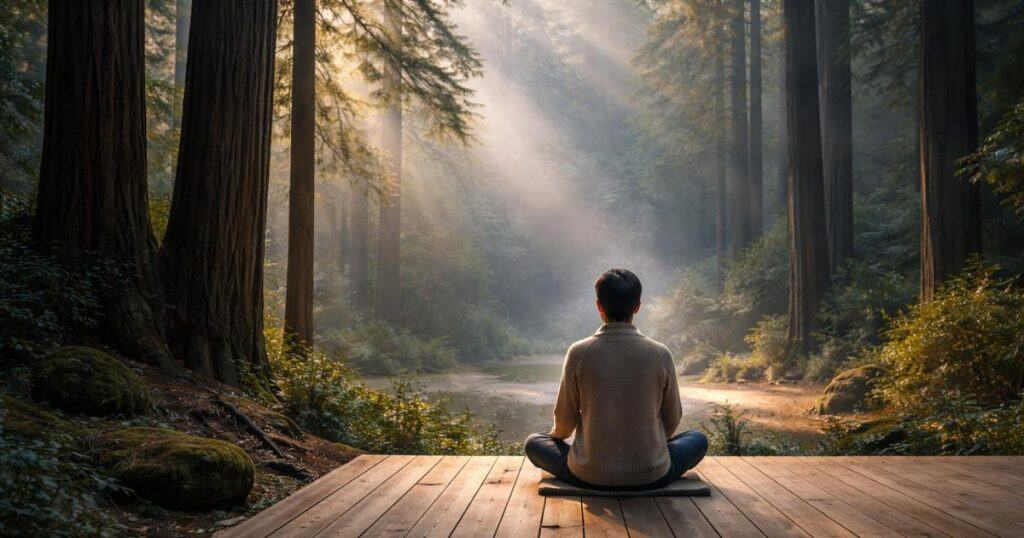
Introduction – In a Noisy World, Silence Is the Real Luxury
Let’s face it—today’s world is anything but quiet. From constant notifications to overflowing inboxes and the ever-present hum of modern life, our minds are always “on.” But a growing number of travelers are deciding to turn the volume way down—and in some cases, off completely.
Enter the silent retreat, a rising wellness travel trend where silence isn’t awkward—it’s healing. Whether nestled in the forests of New England or the red-rock deserts of California, more people are choosing stillness over sightseeing. And they’re not just returning refreshed—they’re returning transformed.
In this post, we’ll explore the best silent retreats in the U.S., and why silent retreats are more than a travel trend—they’re a new kind of therapy. You’ll discover what to expect, where to go, and how silence can be the most powerful travel experience of all.
TL;DR (Too Long; Didn’t Read)
Silent retreats in the U.S. are gaining momentum in 2026 as more travelers seek real restoration through stillness. This guide shares 12 standout retreats—from California deserts to New England forests— plus what to expect, how to prepare, and who each style is best for (beginners, couples, and cultural explorers). If you’re craving quiet, clarity, and a gentler kind of travel therapy, this might be your most transformative trip.
-
12 U.S. destinations
A curated mix of landscapes, lineages, and comfort levels. -
Beginner-friendly guidance
What silence looks like day-to-day, and how to ease in. -
Preparation tips
Packing, expectations, and simple practices that make it smoother.
Gentle note: “Silent” can mean different levels of quiet—some retreats include guided teachings or group sits, while others are more self-directed. This guide helps you choose what fits your comfort level.

✨ Free travel toolbox
Free London map & travel toolkit
Grab a beautifully organized London travel map plus a mini bundle of planning resources to make future city trips feel calmer and more intentional.
- Key neighborhoods, highlights, and photo-friendly spots
- Simple tools for budgeting, bookings, and navigation
- Designed for busy, tech-savvy travelers and families
No spam, ever — just thoughtful travel emails and resources you can actually use.
What Is a Silent Retreat, Really?
Beyond Just Not Talking
While silence is the obvious surface feature, silent retreats offer so much more than simply not speaking. They’re structured opportunities to disconnect from the external world and reconnect with your internal one.
Most retreats include:
- Extended periods of silence (from a few hours to 10+ days)
- Digital detox (no phones, no screens)
- Meditation, gentle yoga, mindful eating, and guided practices
- Reflection in nature, solo time, and minimal interaction
Silent retreats can range from fully guided spiritual immersions to relaxed wellness weekends where quiet is simply encouraged.
Core Elements of the Experience
- Structured Schedules: Early mornings often begin with meditation or yoga, followed by periods of individual reflection or light activity.
- Nourishment with Intention: Meals are eaten mindfully, in silence, often focusing on gratitude.
- Stillness, Not Stagnation: You’re not “doing nothing”—you’re doing less, on purpose.
Some retreats prohibit journaling or reading; others allow light writing or artistic expression. The goal? To gently remove distractions and hold space for self-awareness.
How to Prepare for a Silent Retreat
Signing up for a silent retreat can feel exciting—and a little intimidating. Preparation is key to making the experience meaningful rather than overwhelming. Here are some essentials to keep in mind:
- Set an Intention: Decide why you’re going—stress relief, personal reflection, or spiritual growth. A clear purpose helps guide your experience.
- Pack Comfort, Not Distraction: Bring loose, breathable clothing, a meditation cushion or yoga mat if allowed, and layers for varying weather. Leave behind laptops, books, and unnecessary gadgets unless the retreat permits them.
- Prepare Mentally: Expect discomfort at first. Silence may feel strange, but give yourself grace as you adjust to the stillness.
- Practice Mini-Silences: Try short daily periods of quiet before your retreat. Even 15 minutes without devices can make the transition smoother.
- Embrace Digital Detox: Let friends or family know you’ll be offline, so you can step away guilt-free.
Approach your retreat with curiosity rather than pressure. Silence isn’t about perfection—it’s about giving yourself permission to pause.
👉 Trusted travel tools
Helpful links that keep trips smoother and costs in check.
Wise: fair currency exchange
Pay like a local and avoid hidden FX fees when booking trains, stays, and tours.
VisitorsCoverage: flexible cover
Compare travel insurance options that fit your trip length, style, and budget.
Airalo: easy local data
Install an eSIM before you fly so maps, tickets, and messaging work the moment you land.
The Psychology Behind the Stillness
Silence as a Mental Reset
Our brains are constantly processing. But silence, studies show, can help:
- Lower cortisol (stress hormone) levels
- Improve focus and memory
- Enhance emotional regulation
In 2013, a study published in Brain Structure and Function found that two hours of silence per day actually helped regenerate brain cells in the hippocampus—the area associated with memory and emotion.
One traveler, Emily, a 32-year-old from Seattle, shared,
“I didn’t realize how loud my inner monologue was until I removed all other noise. It was uncomfortable at first. Then it felt like freedom.”
Why We Crave Disconnection
- Digital burnout is real. The average person touches their phone over 2,500 times a day.
- Many people feel mentally crowded, overwhelmed by information, and emotionally fatigued.
Silent retreats allow us to clear mental clutter and give our attention back to what truly matters—often, that means reconnecting with our bodies, our breath, and a slower rhythm of life.
Emotional Benefits
Silence allows us to:
- Hear our thoughts with more clarity
- Process emotions we’ve suppressed or ignored
- Increase gratitude, creativity, and patience
After a silent weekend, one couple said they felt like they had “re-met each other” without the layers of noise between them.
Costs & Duration of Silent Retreats
Silent retreats in the U.S. vary widely in both price and length. Knowing your options helps you choose one that fits your budget, time, and goals.
- Weekend Retreats (2–3 days): Perfect for beginners or busy professionals. Expect prices between $200–$500 depending on location and amenities.
- Weeklong Retreats (5–7 days): A deeper immersion into silence, often including guided meditation, yoga, and mindful meals. Prices range from $600–$1,500.
- Vipassana Retreats (10 days): Donation-based and rooted in Buddhist tradition. These intensive programs are free to attend, with contributions encouraged afterward.
- Luxury Silent Resorts: Upscale wellness centers that combine silence with spa treatments, organic cuisine, and scenic settings. Prices can exceed $1,000 for a weekend stay.
When budgeting, remember to include travel costs, nearby accommodations (if your retreat doesn’t provide lodging), and extras like meditation gear or travel insurance.
Tip: Donation-based retreats are ideal for affordability, while luxury resorts offer comfort and amenities. Both provide life-changing silence—choose the one that best matches your needs.
Why Silent Retreats Are Trending Among Travelers
Wellness Meets Wanderlust
Travelers are no longer satisfied with “just seeing the sights.” Many now want to return home with more than souvenirs—they want inner peace, clarity, and emotional breakthroughs.
Silent retreats offer:
- A break from overstimulation
- An alternative to burnout vacations
- A way to travel inward, not just outward
This makes them especially popular among couples, solo travelers, and cultural explorers looking for transformative experiences.
Mindful Travel in the Post-Pandemic Era
The pandemic pushed many to reflect on their values and mental health. In 2026, people are increasingly seeking:
- Meaningful escapes over packed itineraries
- Deeper travel therapy that combines relaxation with reflection
- Opportunities to “reset” away from the noise of everyday life
More Accessible Than Ever
Silent retreats aren’t just for seasoned meditators anymore. Many retreat centers now offer:
- Weekend or 3-day formats
- Couples-friendly stays
- Flexible structures for beginners
From budget-friendly monastery stays to luxury silent resorts, there’s something for everyone.
🗺️Interactive travel maps
See Your Trip Come Alive on the Map
A peek at how GaiaGazer’s curated travel maps look right inside your Google Maps app—ready to guide you through each city.


1 / 4
Wondering where each retreat is located? Here’s a bird’s-eye view of all 12 silent retreat centers across the U.S.—from the deserts of California to the mountains of North Carolina. This interactive map makes it easy to compare regions, plan travel routes, and choose the perfect retreat that fits your style and season.
Tip: Zoom in and click on each pin for location details, travel notes, and practical insights to make your retreat experience smooth and stress-free.
12 Great Silent Retreat Destinations in the USA
1. Insight Meditation Society – Barre, Massachusetts
One of the most respected silent meditation centers in the U.S., IMS offers both long-term and weekend retreats in a peaceful, forested setting. Excellent for beginners and seasoned meditators alike.
👉 Learn more and view upcoming retreats at Insight Meditation Society
Where to Stay Nearby
- Hampton Inn & Suites Worcester – A comfortable and convenient option about 30 minutes from Barre, with modern rooms, free breakfast, and easy access to nearby towns.
- Or, explore more stays in Barre and Worcester on Booking.com.
2. Spirit Rock Meditation Center – Woodacre, California
Set in Northern California’s rolling hills, Spirit Rock blends silent mindfulness practice with compassion-based teachings and spiritual exploration.
👉 Check Spirit Rock’s schedule and book a retreat
Where to Stay Nearby
- Acqua Hotel Mill Valley – A boutique lakeside hotel about 20 minutes from Spirit Rock, offering serene views, complimentary breakfast, and a tranquil atmosphere.
- Or, find more accommodations in San Rafael or Mill Valley on Expedia.
3. Art of Living Retreat Center – Boone, North Carolina
A stunning Blue Ridge Mountain sanctuary offering a variety of silent, guided, and wellness retreats. Great for couples or solo travelers seeking gentler silence formats.
👉 Reserve your stay at the Art of Living Retreat Center via Expedia
Where to Stay Nearby (if you don’t want to stay in the retreat itself)
- Courtyard by Marriott Boone – A modern, reliable hotel just a short drive from the retreat center, offering comfortable rooms and on-site amenities.
- Or, browse more stays in Boone and the Blue Ridge Mountains on Expedia.
4. Southern Dharma Retreat Center – North Carolina Mountains
A tranquil, rustic mountain location hosting multi-day silent mindfulness and insight meditation programs. Simple accommodations and deep focus on Buddhist practice.
👉 View Southern Dharma’s silent retreat calendar
Where to Stay Nearby
- Hilton Asheville Biltmore Park – A modern and comfortable option in Asheville, about an hour’s drive, with amenities like a spa, indoor pool, and easy access to restaurants.
- Or, find more accommodations in Asheville and the Blue Ridge Mountains on Expedia.
5. Big Bear Retreat – Big Bear Lake, California
A newer option offering flexible silent retreats with hiking, forest bathing, and reflective solitude. Often booked by creative professionals.
👉 Explore programs and book a retreat at Big Bear Retreat Center
Where to Stay Nearby
- Big Bear Frontier Cabins – Rustic lakeside cabins offering a cozy atmosphere, fireplaces, and proximity to trails and the lakefront.
- Or, explore more stays in Big Bear Lake on Vrbo.
6. Sky Lake Lodge – Hudson Valley, New York
Rooted in Zen tradition, Sky Lake offers seasonal silent weekends surrounded by peaceful gardens, hiking trails, and a strong community vibe.
👉 Discover upcoming retreats at Sky Lake Lodge
Where to Stay Nearby
- Hotel Kinsley – A boutique hotel in Kingston offering stylish rooms and a warm Hudson Valley vibe, just a short drive from Sky Lake Lodge.
- Or, find more accommodations in Kingston and Woodstock on Booking.com.
7. Joshua Tree Silent Retreats – California Desert
For those who prefer a desert setting, these silent retreats encourage reflection in a starkly beautiful and expansive environment. Often self-guided and minimalist in format.
👉 Learn more about Joshua Tree silent retreats
Where to Stay Nearby
- Sacred Sands – A boutique desert stay offering peaceful accommodations with stunning views, perfect for those seeking quiet reflection.
- Or, browse more stays in Joshua Tree town on Expedia.
Mindful Experiences Near Your Retreat
Keep the retreat energy alive with gentle, low-stimulus experiences nearby—think forest walks, guided nature meditations, slow kayaking, or contemplative garden visits. Choose activities that honor your post-retreat pace.
-
Stay light
Choose a short outing (or a half-day) instead of an all-day marathon. -
Prefer small groups or private
Fewer voices, more presence—especially right after silence. -
Nature first
Trails, coastlines, gardens, and slow water time help integrate gently. -
Read for pacing cues
Look for reviews that mention calm timing, patience, and thoughtful guides. -
Protect your quiet
If you’re not ready to talk much, tell your guide you’re there for quiet immersion.
Find calm, curated activities with trusted operators:
Filter for small groups, gentle difficulty, and “nature” themes.
8. Shambhala Mountain Center – Red Feather Lakes, Colorado
Nestled in the Colorado Rockies, this peaceful center offers silent and contemplative retreats rooted in Tibetan Buddhist tradition. With expansive hiking trails, stupa walks, and mindful programming, it’s perfect for those looking to pair inner reflection with mountain solitude.
👉 See retreat offerings at Shambhala Mountain Center
Where to Stay Nearby
- Hilton Fort Collins – A comfortable hotel with modern amenities, about an hour’s drive from the retreat center, offering convenience and reliability.
- Or, explore more stays in Fort Collins on Booking.com.
9. Satchidananda Ashram–Yogaville – Buckingham, Virginia
This spiritual sanctuary on the James River offers silent retreats grounded in interfaith yoga philosophy. Participants can enjoy sunrise meditations, vegetarian meals, and a holistic approach to silence that blends Eastern and Western traditions.
👉 Check Yogaville’s retreat calendar and book your spot
Where to Stay Nearby
- Omni Charlottesville Hotel – An upscale option located about an hour away, offering spacious rooms, a pool, and dining near the heart of Charlottesville.
- Or, browse more accommodations in Charlottesville on Expedia.
10. Stillpoint Lodge – Halibut Cove, Alaska
An upscale and nature-immersed retreat that integrates silence with forest walks, sea kayaking, and organic cuisine. Located in remote Alaska wilderness, it’s ideal for couples or travelers seeking deep peace in an extraordinary setting.
👉 Book your stay at Stillpoint Lodge in Alaska
Where to Stay Nearby (if you don’t want to stay in Stillpoint Lodge)
- Land’s End Resort, Homer – A scenic resort on Kachemak Bay offering oceanfront views and easy access to ferries heading to Halibut Cove.
- Or, find more accommodations in Homer, Alaska on Expedia.
11. Green Gulch Farm Zen Center – Muir Beach, California
Just north of San Francisco, this working organic farm and Soto Zen center offers silent practice weekends and weeklong retreats. It’s a serene space combining coastal hiking, Zen meditation, and shared mindful labor (like gardening or kitchen work).
👉 Find upcoming retreats at Green Gulch Farm Zen Center
Where to Stay Nearby
- Mill Valley Inn – A charming stay nestled among redwoods in Mill Valley, just a short drive from Green Gulch, with a cozy and relaxed vibe.
- Or, explore more stays in Muir Beach and Mill Valley on Booking.com.
12. Deer Park Monastery – Escondido, California
Founded by Thich Nhat Hanh, this monastery practices engaged mindfulness and hosts Days of Mindfulness and multi-day silent retreats. Surrounded by chaparral hills and open sky, it’s a powerful place for healing silence rooted in compassion.
👉 Learn more about silent retreats at Deer Park Monastery
Where to Stay Nearby
- Hyatt Vacation Club at The Welk, San Diego Area – A resort in Escondido offering pools, spa services, and comfortable suites, ideal for extending your retreat with added relaxation.
- Or, browse more accommodations in Escondido and Oceanside on Expedia.
How to Book Stays Near Silent Retreats
We’ve suggested a nearby stay for each retreat, but here’s a quick roadmap to help you choose your best base—whether you want absolute quiet, easy access, or a gentle “re-entry” after silence.
-
Define the vibe
Do you want minimalist deep-rest simplicity, or a comfy stay with amenities (spa, pool, breakfast) to transition softly? -
Prioritize setting over stars
A calm location 15–30 minutes away often beats a “perfect” hotel that’s busy, bright, or noisy. -
Read for quiet cues
Scan reviews for “peaceful,” “serene mornings,” “soundproof,” “nature views,” and “slept well.” -
Choose flexibility
Look for free-cancellation rates so you can adjust as the retreat schedule and travel logistics firm up. -
Arrive a day early
Give your nervous system time to slow down before the retreat begins. -
Add a post-retreat buffer
One extra night afterward can make the return to “normal life” feel far gentler.
Trusted booking platforms we recommend:
Filter for “quiet,” “nature,” and flexible cancellation when you can.
✨Playful trip inspiration
Not Sure Where to Go Next?
Take a quick, low-pressure travel quiz and let GaiaGazer match you with destinations, travel styles, and ideas that actually fit your energy, budget, and season of life.
- Fun, bite-sized questions—no sign-up required to play.
- Results tailored for families, couples, and solo explorers.
- Perfect for sparking new trip ideas when you’re stuck deciding.
When to Go and Who It’s For
Best Time of Year
- Spring and Fall offer mild weather and scenic landscapes—ideal for nature-based reflection.
- Winter retreats can be powerful for inner work and emotional reset.
- Summer is great for pairing retreats with hiking or outdoor mindfulness.
Ideal Traveler Profiles
Silent retreats are especially rewarding for:
- Couples who want to deepen their connection without distraction
- Solo travelers in transition—career changes, grief, or self-discovery
- Cultural explorers seeking insight beyond the usual landmarks
- Burnt-out professionals craving disconnection and clarity
If your soul is tired of noise, this might be your sign.
Silent Retreats for Couples & Families
While many people attend silent retreats alone, couples and even families can benefit from these experiences in unique ways. Silence allows relationships to breathe without the constant noise of daily life.
- For Couples: Practicing side-by-side silence can deepen intimacy, creating a shared memory of stillness. Some retreats even offer programs designed for couples looking to reconnect.
- For Families: Most retreats are designed for adults, but some centers—like Plum Village in France—offer family-friendly mindfulness programs. In the U.S., parents with young children may find shorter weekend retreats or nature-based “quiet days” more accessible.
- Alternative for Parents: If a full retreat isn’t possible, consider planning a DIY “silent morning” at home or joining local meditation workshops for a taste of stillness.
Whether together or solo, silent retreats can act as a reset button—helping you return to your relationships more grounded and present.
Memorable Mentions – Unique Silent Retreats Around the World
Looking to take your stillness abroad? These global gems offer life-changing silence:
- Plum Village, France: Founded by Thich Nhat Hanh, this monastic community offers mindfulness practice rooted in compassion and joy. Family-friendly and deeply soulful.
- Dhamma Vipassana Centers (Worldwide): Free, 10-day silent retreats based on traditional Buddhist teachings. Donation-based and intense—ideal for those ready for deep inner work.
- Bali Silent Retreat (Indonesia): An off-the-grid eco-retreat in central Bali, offering open-air meditation, organic meals, and jungle silence.
- Hridaya Yoga (Mexico): Set in Mazunte, Oaxaca, this retreat combines yoga, meditation, and 3- to 17-day silent stays with ocean views.
These centers blend affordability, intention, and authenticity—true sanctuaries for reflection.
✨ Ready to Plan Your Peaceful Escape?
Silent retreats are only part of the journey. If you’d like to pair your retreat with a few days of nature walks, cultural exploring, or gentle “re-entry” time, we can help you shape the trip around your pace.
Choose the planning style that feels best right now—quick + free, or premium + curated (still reasonably priced).
🌿 Stress less, wander more — start here:
Conclusion – Silence Isn’t Emptiness. It’s Full of Insight.
In a world wired for speed and distraction, choosing silence is radical. But what many find is that stillness isn’t sterile—it’s alive. It opens the door to insight, healing, and depth that often gets drowned out by daily noise.
Silent retreats aren’t just about “unplugging”—they’re about tuning in. Tuning in to your breath, your thoughts, your presence—and ultimately, your truth.
Whether you’re navigating a life transition, traveling as a couple, or simply seeking peace, consider silence as your next destination.
💬 Have you ever attended a silent retreat—or thought about trying one? Share your thoughts in the comments. Your experience might inspire someone else to pause, too.
Your Ultimate Travel Companion
Frequently Asked Questions About Silent Retreats
Q: What happens at a silent retreat?
A: Silent retreats usually include meditation, mindful eating, light yoga, and extended quiet time. Some are structured with schedules, while others allow free reflection.
Q: How long should my first silent retreat be?
A: Beginners often start with a weekend or 3-day retreat before trying a 7- or 10-day Vipassana program. Shorter retreats help ease into the practice.
Q: Are silent retreats expensive?
A: Costs vary widely. Donation-based Vipassana retreats are free, while luxury wellness retreats can cost $1,000+ per weekend. Many mid-range options exist between $200–$500.
Q: Can couples attend a silent retreat together?
A: Yes. Some retreats welcome couples who practice side-by-side in silence, while others encourage separation to focus on individual reflection.
Q: What should I pack for a silent retreat?
A: Comfortable clothing, meditation-friendly gear (yoga mat, cushion), refillable water bottle, and layers for varying weather. Avoid phones, books, or laptops unless permitted.
Q: Are silent retreats suitable for beginners?
A: Absolutely. Many U.S. retreat centers offer flexible structures for newcomers, with guided meditations and shorter silence periods.
Q: What is a Vipassana silent retreat?
A: Vipassana retreats are 10-day programs rooted in Buddhist tradition, focusing on deep mindfulness through silence, meditation, and strict schedules.


📌 Love cultural travel? Explore more ideas on Pinterest →




Comments