
In Japan, spirituality isn’t tucked away behind monastery walls—it lives in the hush of incense smoke, the ring of shrine bells, the crunch of gravel underfoot at a mountaintop temple. It’s everywhere: vibrant and subtle, grand and intimate. Whether you’re wandering Kyoto’s ancient alleyways or ducking into a quiet Shinto shrine in the heart of Tokyo, these sacred spaces offer more than sightseeing—they offer space to pause, breathe, and connect.
For families seeking meaningful memories, or cultural explorers chasing deeper understanding, Japan’s temples, shrines, and Zen retreats invite you into a world of beauty, stillness, and tradition. This guide is your starting point.
Let’s journey through Japan’s spiritual landscape together.
TL;DR (Too Long; Didn’t Read)
From Kyoto’s Kiyomizu-dera to Tokyo’s Meiji Jingu and Miyajima’s “floating” torii, this guide shows how to experience Japan’s spiritual heart through temples, shrines, and Zen retreats. You’ll learn the difference between Shinto and Buddhist sites, respectful etiquette, best times to go, and seasonal highlights (sakura, autumn leaves, winter light-ups). Each spotlight includes practical “how to get there,” costs, and family notes, plus temple-stay ideas from Koyasan to Zenkō-ji. Use the regional planner, annual festivals calendar, and FAQs to build a calm, culturally rich itinerary that fits real-world schedules and budgets.

✨ Free travel toolbox
Free London map & travel toolkit
Grab a beautifully organized London travel map plus a mini bundle of planning resources to make future city trips feel calmer and more intentional.
- Key neighborhoods, highlights, and photo-friendly spots
- Simple tools for budgeting, bookings, and navigation
- Designed for busy, tech-savvy travelers and families
No spam, ever — just thoughtful travel emails and resources you can actually use.
Understanding Japan’s Spiritual Landscape
🧘 Temples vs. Shrines: What’s the Difference?
One of the first things you’ll notice when traveling in Japan is the frequent mention of both temples and shrines. While they might seem similar at a glance, they’re rooted in different belief systems:
- Shrines (Jinja) are Shinto. They’re home to kami, spirits or gods tied to nature, ancestors, and everyday life. Look for:
- Torii gates at the entrance
- Ritual handwashing stations
- Offerings like rice or sake
- Bell ringing and bowing rituals
- Temples (Otera) are Buddhist. They house sacred statues, relics, and teachings from across various Buddhist sects. You’ll often see:
- Incense burners
- Statues of Buddha or Kannon (the goddess of mercy)
- Pagodas and prayer wheels
- Monks performing rituals or leading meditation
💡 Quick Tip for Travelers: Shrines = Shinto, Temples = Buddhist. You can visit both in one day—many Japanese people do!
Must-Visit Temples in Japan
Temples in Japan aren’t just places of worship—they’re historical wonders, centers of art and learning, and serene oases in the heart of bustling cities.
🏯 Kiyomizu-dera (Kyoto)
Perched on a hillside overlooking Kyoto, Kiyomizu-dera is a UNESCO-listed temple famous for its dramatic wooden stage. Especially stunning during cherry blossom and autumn foliage seasons, it’s one of Japan’s most visited sites.
📸 Travel Tip: Visit early in the morning to enjoy the stillness before the crowds.
🌟 Fun Fact: The phrase “to jump off the stage at Kiyomizu” means taking a bold leap—rooted in Edo-period daredevils who actually leapt off the veranda!
🚆 How to Get There
From Kyoto Station, take bus #100 or #206 to Gojo-zaka or Kiyomizu-michi stop (15 min), then walk about 10 minutes uphill. Alternatively, take the Keihan Line to Kiyomizu-Gojo Station and enjoy a 20-minute scenic walk.
💡 For smooth, pre-booked transport passes and JR tickets, check Klook’s Japan rail options before you go.
- 💰 Entrance Fee: ¥400 adults, ¥200 children
- 🕒 Opening Hours: 6:00–18:00 (seasonal variations)
- ⏳ Visit Duration: 1–2 hours
- 👨👩👧 Family Friendly? Yes — moderate uphill walk; stroller doable with some effort
🧘♂️ Eihei-ji Temple (Fukui)
Founded by Dogen in 1244, Eihei-ji is the beating heart of Soto Zen. Visitors can stay overnight, join zazen (seated meditation), and share vegetarian meals with monks.
👨👩👧 Family Note: While ideal for older teens and adults, families with children can visit for a short day-trip to enjoy the architecture and mossy forest paths.
✨ Cultural Highlight: This is one of the best places in Japan to experience true Zen practice as a participant, not just a tourist.
🚆 How to Get There
From Fukui Station, take the Keifuku Bus bound for Eihei-ji (approx. 30 min) and get off at the temple entrance.
💡 Save time and avoid ticket lines with Klook’s Hokuriku rail and bus passes — perfect if combining Eihei-ji with other sites in the region.
- 💰 Entrance Fee: ¥500 adults, ¥200 children
- 🕒 Opening Hours: ~5:00–16:30
- ⏳ Visit Duration: 1–3 hours (half-day if joining zazen)
- 👨👩👧 Family Friendly? Best for older kids/teens—very quiet environment
🪷 Tōdai-ji (Nara)
Walk through Nara Park, where friendly deer roam freely, and you’ll arrive at the Great Buddha of Tōdai-ji—one of the largest bronze Buddha statues in the world.
🐾 Kids will love: Feeding the deer and exploring the massive wooden halls.
📖 Historical Note: Tōdai-ji played a central role in introducing Buddhism across Japan in the 8th century.
🚆 How to Get There
From Kyoto Station, take the JR Nara Line to Nara Station (45 min), then walk 20 minutes through Nara Park or take a short local bus.
💡 If you’re visiting Nara as part of a wider Kansai trip, consider Klook’s Kansai rail passes for unlimited travel.
- 💰 Entrance Fee: ¥600 adults, ¥300 children
- 🕒 Opening Hours: 7:30–17:30 (Apr–Oct); 8:00–17:00 (Nov–Mar)
- ⏳ Visit Duration: 1–2 hours (+ time with deer in Nara Park)
- 👨👩👧 Family Friendly? Absolutely—open spaces and kid appeal
🏺 Sanjusangendo (Kyoto)
Inside this long, wooden hall stands 1,001 golden statues of Kannon, the goddess of mercy—each subtly different, each mesmerizing.
🎨 Perfect for cultural explorers and art lovers alike, this temple is a masterpiece of spiritual expression and craftsmanship.
🚆 How to Get There
From Kyoto Station, take bus #100, #206, or #208 to Hakubutsukan-Sanjusangendo-mae stop (approx. 10 min), or walk about 20 minutes.
💡 Check Klook’s Kyoto city transport passes for easy hop-on, hop-off sightseeing.
- 💰 Entrance Fee: ¥600 adults, ¥300 children
- 🕒 Opening Hours: 8:00–17:00 (to 16:30 Nov–Mar)
- ⏳ Visit Duration: 45–90 minutes
- 👨👩👧 Family Friendly? Yes—indoors, calm, stroller accessible
👉 Trusted travel tools
Helpful links that keep trips smoother and costs in check.
Wise: fair currency exchange
Pay like a local and avoid hidden FX fees when booking trains, stays, and tours.
VisitorsCoverage: flexible cover
Compare travel insurance options that fit your trip length, style, and budget.
Airalo: easy local data
Install an eSIM before you fly so maps, tickets, and messaging work the moment you land.
Iconic Shinto Shrines Worth Experiencing
Shrines feel more rustic, open-air, and nature-connected. Many are located in forests or near water, blending harmoniously with their surroundings.
⛩️ Fushimi Inari Taisha (Kyoto)
Arguably Japan’s most iconic shrine, Fushimi Inari is known for its winding trails of over 10,000 vermillion torii gates stretching into the forested hills of Inariyama.
🦊 Look out for the fox statues—they’re messengers of the god Inari.
📷 Photography Tip: Visit at sunrise or sunset for the most magical light (and far fewer people).
🚆 How to Get There
From Kyoto Station, take the JR Nara Line to Inari Station (5 min) — the shrine is directly outside the station.
💡 Pre-book your JR pass on Klook to cover this and other temple-hopping days.
- 💰 Entrance Fee: Free
- 🕒 Opening Hours: Open 24 hours
- ⏳ Visit Duration: 1–3 hours (allow 2–3 hours for full loop)
- 👨👩👧 Family Friendly? Yes—lower trails are easy; full hike is moderate
🌲 Meiji Jingu (Tokyo)
Hidden within a tranquil forest in the heart of the city, Meiji Jingu is Tokyo’s most important Shinto shrine. It’s a peaceful contrast to the buzzing neighborhoods of Harajuku and Shibuya nearby.
🧴 Try the purification ritual: rinse your hands and mouth at the basin before approaching the offering box.
🌿 Family Bonus: Combine this visit with a picnic at Yoyogi Park just next door.
🚆 How to Get There
Take the JR Yamanote Line to Harajuku Station or the Tokyo Metro Chiyoda/Fukutoshin Line to Meiji-Jingumae Station — both are just steps from the main torii gate.
💡 For unlimited metro and JR travel in Tokyo, see Klook’s Tokyo transport passes.
- 💰 Entrance Fee: Free (garden may have small fee seasonally)
- 🕒 Opening Hours: Sunrise–sunset (varies by season)
- ⏳ Visit Duration: 1–2 hours
- 👨👩👧 Family Friendly? Yes—flat, shaded, stroller-friendly
🏮 Ise Grand Shrine (Mie Prefecture)
This sacred complex isn’t flashy—it’s built in natural cypress and reconstructed every 20 years, as it has been for centuries. Yet its humble elegance and deep spiritual energy are unmatched.
🌀 Cultural Insight: This cyclical rebuilding reflects the Shinto belief in impermanence and renewal.
🎎 Less crowded and deeply atmospheric, Ise is ideal for slow-travel families or introspective solo travelers.
🚆 How to Get There
From Nagoya Station, take the Kintetsu Limited Express to Iseshi Station (approx. 1 hr 30 min), then a short bus or taxi to the shrine.
💡 Check Klook’s Kintetsu rail pass options if exploring Mie and surrounding areas.
- 💰 Entrance Fee: Free
- 🕒 Opening Hours: ~5:00–18:00 (seasonal)
- ⏳ Visit Duration: 1–3 hours (Naiku + Geku)
- 👨👩👧 Family Friendly? Yes—long, peaceful walking paths
🌊 Itsukushima Shrine (Miyajima Island)
Set on the sea, Itsukushima’s red torii gate seems to float at high tide—making it one of Japan’s most photographed views.
💡 Visit twice: At high tide for the illusion of floating, and at low tide to walk up to the base of the gate.
👨👩👧 Tip: Ferries from Hiroshima make this an easy family day trip.
🚆 How to Get There
From Hiroshima Station, take the JR Sanyo Line to Miyajimaguchi Station (30 min), then a 10-minute ferry to Miyajima Island.
💡 The JR Pass from Klook includes this route and ferry ride.
- 💰 Entrance Fee: ~¥300 adults; ~¥100 high school; younger children often free
- 🕒 Opening Hours: ~6:30–18:00 (varies by season/tide)
- ⏳ Visit Duration: 1–2 hours (plus ferry time)
- 👨👩👧 Family Friendly? Yes—flat paths; check tide times for “floating gate” views
Experiencing Zen Retreats in Japan
Sometimes, the most impactful experiences happen not while sightseeing, but while sitting still.
🌿 What Is a Zen Retreat?
A Zen retreat (or shukubo, temple lodging) lets you stay at an active temple, participate in zazen, eat shojin ryori (traditional Buddhist vegan cuisine), and wake up to the sound of temple bells instead of your alarm.
You don’t need to be a monk—or even a Buddhist—to attend. You just need openness and respect.
🧘 Good to Know:
- Silence is respected but not always mandatory.
- Families with older children are generally welcome, but not all temples accommodate toddlers or very young kids.
🏡 Where to Find Authentic Zen Retreats
🏯 Koyasan (Wakayama) — Japan’s Sacred Mountaintop Escape
Known as the cradle of Shingon Buddhism, Koyasan is a serene mountaintop town where over 100 temples are tucked among cedar forests and misty mountain air. Staying overnight here means immersing yourself in centuries-old traditions—from early-morning chanting with monks to tasting delicate shōjin ryōri. By lantern light, a walk through the ethereal Okunoin Cemetery feels like stepping into another world.
Good to know: Many temples offer comfortable tatami rooms with futons, and some provide English-speaking monks or cultural workshops.
Book it: See temple lodging options and compare availability on Booking.com.
🧘 Hanazono Kaikan, Myōshin-ji Temple Complex (Kyoto) — Easy, Family-Friendly Entry to Zen
Inside Kyoto’s vast Myōshin-ji complex, Hanazono Kaikan gives you temple-adjacent lodging with access to meditation experiences and morning walks among sub-temples—without being far from city sights. Great for families who want serenity + access.
Good to know: Western amenities and elevator access make it simpler for strollers; request meditation times at check-in.
Book it: Compare rates on Booking.com.
🕯️ Shukubō at Zenkō-ji (Nagano) — Budget-Friendly Pilgrim Stay
Zenkō-ji’s pilgrim lodgings (shukubō) range from simple to surprisingly stylish, often including vegetarian dinners and access to the pre-dawn Oasaji ceremony—an unforgettable, humbling moment.
Good to know: Rooms are typically minimalist; shared baths are common. Perfect for cultural travelers and value-seekers.
Book it: Start with Booking.com to find shukubō options near Zenkō-ji.
🌊 Kamakura (Day Trip from Tokyo) — Zen Moments by the Sea
Just an hour south of Tokyo, Kamakura blends temple stillness with ocean breezes. Temples like Engaku-ji and Kencho-ji invite you to slow down with short meditation sessions—perfect for beginners or travelers short on time. Afterward, wander lush temple gardens, hike the Daibutsu Trail, or enjoy a beachside lunch while watching surfers ride the waves.
Good to know: Meditation sessions are typically offered in Japanese but are easy to follow visually; arrive early to secure a spot.
Book nearby stays: Find peaceful guesthouses and hotels via Expedia.
🏯 Eko-in (Koyasan) — Luxury-Leaning Temple Stay
A refined Koyasan lodging with evening cemetery walks at Okunoin, morning fire rituals (goma), and beautifully plated shōjin ryōri. Rooms blend tatami tradition with modern comfort—ideal for couples or cultural explorers seeking a “wow” factor without losing authenticity.
Good to know: Quiet hours are observed; best for respectful travelers and families with kids who can handle calm spaces.
Book it: Check Booking.com for availability.
🪷 Shōren-in Temple (Kyoto) — An Intimate Zen Gem
Tucked away in Kyoto’s quieter Higashiyama district, Shōren-in feels worlds apart from the city’s busier sites. Its moss gardens, elegant fusuma sliding doors, and optional tea ceremonies make it a calming escape for couples, solo travelers, and cultural explorers. Softly lit night illuminations in certain seasons add to its dreamlike atmosphere.
Good to know: While not an overnight lodging itself, it’s surrounded by charming ryokan and boutique stays within walking distance.
Book nearby stays: Browse Kyoto ryokans and boutique hotels on Booking.com.
Tip: Temple stays can book out quickly in peak seasons (spring & autumn). Reserve early, check age restrictions for kids, and confirm if meals and cultural activities are included.
🗺️Interactive travel maps
See Your Trip Come Alive on the Map
A peek at how GaiaGazer’s curated travel maps look right inside your Google Maps app—ready to guide you through each city.


1 / 4
| Region / City | Featured Site | Best For |
|---|---|---|
| Kyoto | Kiyomizu‑dera | Scenic views, cherry blossoms, cultural history |
| Kyoto | Sanjusangendo | Art lovers, spiritual craftsmanship |
| Kyoto | Fushimi Inari Taisha | Iconic photography, light hikes, cultural symbolism |
| Kyoto | Shōren‑in Temple | Intimate gardens, tea ceremony, couples |
| Tokyo | Meiji Jingu | Family‑friendly, peaceful city escape |
| Tokyo | Zōjō‑ji Temple | New Year’s visits, winter illuminations |
| Nara | Tōdai‑ji | Families with kids, history buffs, deer encounters |
| Fukui | Eihei‑ji Temple | Zen practice, meditation retreats |
| Hiroshima / Miyajima | Itsukushima Shrine | Photography, tidal views, day trips |
| Mie Prefecture | Ise Grand Shrine | Spiritual reflection, cultural heritage |
| Kamakura | Engaku‑ji & Kencho‑ji | Day trips from Tokyo, beginner meditation |
| Wakayama (Koyasan) | Mountaintop temples & Okunoin | Temple stays, Zen immersion |
Plan Your Temple, Shrine & Zen Retreat Route
Turn your ideas into a calm, day-by-day plan tailored to your dates, pace, and interests. Perfect for families and cultural explorers—balance quiet moments, ceremonies, and travel time across Kyoto, Nara, Tokyo, Koyasan, and beyond.
Build your personalized Japan itinerary in minutes:
Planning Tips for a Spiritual Journey
Whether you’re building your entire trip around Japan’s spiritual landmarks or adding a few serene stops to a packed itinerary, these practical tips can help you navigate temples, shrines, and Zen retreats smoothly and respectfully.
👘 How to Be a Respectful Visitor
Temples and shrines are living, sacred spaces—treat them with reverence and mindfulness. A few golden rules:
- Shoes Off: Always remove your shoes when entering temple halls or traditional lodging.
- No Photos: Watch for signs indicating photography restrictions, especially inside prayer halls.
- Silence is Golden: Keep your voice low, avoid phone calls, and observe before engaging.
- Cleanse Before Entering Shrines: Use the purification basin (temizuya)—rinse your left hand, then your right, mouth (optional), then rinse the handle.
👨👩👧 Family Tip: Make it fun for kids by turning purification or fortune reading into a cultural game! Many temples have “cute” omikuji (paper fortunes) and ema (wooden wish plaques) that children enjoy decorating.
📆 Best Times to Visit
- Early Morning or Late Afternoon: Fewer crowds, more atmospheric lighting, and a greater sense of peace.
- Spring & Autumn: Temples surrounded by cherry blossoms or fall foliage are particularly beautiful (Kyoto, Nikko, Kamakura).
- Avoid Major Holidays: Especially around New Year’s (Hatsumode) when shrines become packed.
🏨 Where to Stay
- Ryokan near spiritual sites: Opt for traditional inns near areas like Kyoto, Koyasan, or Nikko to immerse yourself in a serene setting with tatami rooms, futons, and local meals.
- Temple Lodging (Shukubo): Perfect for cultural explorers wanting to sleep in a temple, join meditations, or dine on Buddhist cuisine. Some even offer calligraphy or incense-making workshops.
💡 Want to manage your expenses? Use the Wise app to exchange currency at favorable rates and track your spiritual journey without stressing over conversion fees.
Best Seasonal Experiences in Japan’s Spiritual Sites
Japan’s temples and shrines take on a different magic each season—plan your visit around these unforgettable moments:
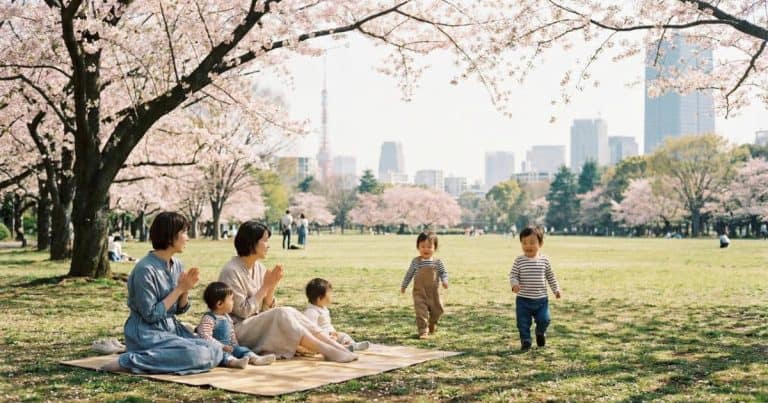
🌸 Cherry Blossom Season (March–April)
- Kiyomizu-dera (Kyoto): Its hillside location offers sweeping sakura views over the city. Visit early morning for serene pink reflections on temple rooftops.
- Ueno Park Temples (Tokyo): Combine shrine visits with hanami picnics under blooming cherry trees.
- Daigo-ji (Kyoto): Known for its five-story pagoda framed by pastel blossoms—perfect for photographers.
🍁 Autumn Foliage (November)
- Eikando Zenrin-ji (Kyoto): A glowing carpet of red and gold leaves makes the temple gardens feel like a living painting.
- Tōfuku-ji (Kyoto): Its valley of maple trees creates a fiery autumn panorama from the wooden Tsutenkyo Bridge.
- Nikko Shrines (Tochigi): Combine cultural heritage with one of Japan’s best natural leaf displays.
❄ Winter Illuminations & Serenity (December–January)
- Kotoku-in (Kamakura): See the Great Buddha with a dusting of snow for a rare, tranquil sight.
- Kiyomizu-dera (Kyoto): Special night illuminations bathe the temple in a warm glow against crisp winter skies.
- Zōjō-ji Temple (Tokyo): Visit during New Year’s for hatsumode, when locals make their first shrine visit of the year.
💡 Tip: Seasonal highlights like cherry blossoms and autumn foliage draw large crowds—book transport early via Klook to secure the best times and connections.
Annual Spiritual Events & Festivals in Japan
Japan’s temples and shrines come alive during special ceremonies and festivals, blending centuries-old traditions with community celebration. Timing your trip with one of these events adds an unforgettable cultural layer to your journey.
🎭 Setsubun – Bean-Throwing Festival (February)
Held at temples and shrines nationwide, Setsubun marks the start of spring in the lunar calendar. Locals throw roasted soybeans to drive away evil spirits and welcome good fortune.
- Best Spots: Sensō-ji (Tokyo), Yasaka Shrine (Kyoto)
- Tip: Arrive early—famous temples can get crowded as people gather to catch beans thrown by priests or celebrities.
🕯 Obon – Lantern Ceremonies for Ancestors (August)
A Buddhist tradition honoring departed loved ones, Obon features floating lanterns, folk dances, and temple rituals.
- Best Spots: Kyoto’s Daimonji Gozan Okuribi (mountain bonfires), Hiroshima’s Peace Memorial Park lantern floating.
- Family Bonus: Children enjoy writing messages on lanterns before they’re set afloat.
🎎 Shichi-Go-San – Children’s Blessings (November)
A Shinto rite of passage for three-, five-, and seven-year-olds, celebrated at shrines across Japan. Families dress children in beautiful kimonos and visit for blessings of health and growth.
- Best Spots: Meiji Jingu (Tokyo), Fushimi Inari Taisha (Kyoto)
- Tip: If you visit during this time, be respectful when photographing—many families appreciate space during the ceremony.
🥁 Gion Matsuri – Kyoto’s Grand Festival (July)
While famous for its massive floats, Gion Matsuri began as a purification ritual to ward off plague. Yasaka Shrine still plays a central role in the celebrations.
- Highlight: Visit the shrine in the evening when floats are lit, blending festival energy with sacred tradition.
💡 Planning Tip: Many temple and shrine events are tied to the lunar calendar, so dates can shift slightly each year. Confirm exact timings before booking, and secure transport early via Klook if traveling during busy festival seasons.
Memorable Mentions 🌟
Here are a few lesser-known yet deeply moving spots to add to your spiritual Japan wishlist:
- Yakushi-ji (Nara): Dedicated to the Medicine Buddha—ideal for those seeking healing or restoration.
- Tsubaki Grand Shrine (Wakayama): One of Japan’s oldest Shinto shrines and associated with martial arts and purification rituals.
- Naritasan Shinshoji (Chiba): Just a short hop from Narita Airport, making it a perfect first or last stop in Japan. Bonus: Beautiful gardens and frequent fire rituals.
✨Playful trip inspiration
Not Sure Where to Go Next?
Take a quick, low-pressure travel quiz and let GaiaGazer match you with destinations, travel styles, and ideas that actually fit your energy, budget, and season of life.
- Fun, bite-sized questions—no sign-up required to play.
- Results tailored for families, couples, and solo explorers.
- Perfect for sparking new trip ideas when you’re stuck deciding.
Conclusion: Finding Stillness in Motion
In a country where bullet trains whoosh by at 320 km/h and vending machines dot every corner, it’s easy to think Japan is all motion. But beyond the neon and noodles, Japan invites you to slow down—to sit beneath a torii gate, to trace the smooth wood of a temple railing, to breathe with intention.
For families, these spiritual spaces offer meaningful bonding and quiet reflection. For cultural explorers, they’re a chance to walk the path of monks, pilgrims, and seekers. And for anyone who’s ever longed to find peace in a noisy world, Japan’s temples, shrines, and Zen retreats are waiting.
So go ahead. Ring the bell. Close your eyes. And step into something deeper.
Looking for a stay steps from a shrine or curious about a temple lodging (shukubō)? Use the Trip.com search box below to find ryokans, family-friendly hotels, and Zen-inspired stays near the temples and shrines featured in this guide (if you can’t find any in Trip.com, we highly recommend looking in Booking.com, Expedia, or even Klook):
Plan Your Ultimate Japan Trip
Frequently Asked Questions (Temples, Shrines & Zen Retreats in Japan)
Q: What’s the difference between Shinto shrines and Buddhist temples?
A: Shrines (jinja) are Shinto and honor kami—spirits tied to nature and ancestors. Look for torii gates and purification basins. Temples (otera) are Buddhist and house images of Buddha or bodhisattvas, incense burners, and pagodas. It’s common for locals to visit both.
Q: Do I need to follow a dress code?
A: There’s no strict dress code for most visits, but modest, respectful clothing is expected—covered shoulders and knees are appreciated inside halls. You’ll often remove shoes when entering indoor areas, so wear socks without holes.
Q: Can I bring children to Zen retreats?
A: Many temples welcome families for daytime visits. Overnight temple stays and meditation sessions usually suit older kids and teens who can remain quiet during prayers or zazen. Always check age guidelines and room rules before booking.
Q: Are temple stays expensive?
A: Prices vary by temple and region. Simple pilgrim lodgings (shukubō) can be budget‑friendly, while well‑known temples or rooms with private facilities cost more. Rates often include dinner and breakfast, which adds good value.
Q: What’s the best time to visit shrines in Japan?
A: Early morning or late afternoon offers calmer atmospheres and softer light. Seasonally, spring (cherry blossoms) and autumn (foliage) are especially scenic. Avoid New Year’s days (Hatsumode) if you dislike crowds, as shrines are very busy.
Q: Can I take photos inside temples and shrines?
A: Outdoor photography is usually fine, but many indoor halls prohibit photos or flash. Always check posted signs and follow staff instructions. When in doubt, ask politely or refrain from shooting inside sacred spaces.


📌 Love cultural travel? Explore more ideas on Pinterest →





Comments