Introduction – Soak Away the Winter Chill
Picture this: snowflakes drifting through the crisp winter air, while you slip into steaming mineral waters that soothe every muscle. That contrast of icy cold and gentle warmth is exactly why hot springs travel in 2026 is set to be one of the most soul-refreshing ways to escape the winter chill.
From Japan’s centuries-old onsens, where tradition meets serenity, to Iceland’s otherworldly geothermal pools, and America’s rustic mountain hot springs, these destinations blend wellness, cultural immersion, and adventure. Whether you’re traveling as a couple in search of romance, a family needing relaxation, or a solo traveler craving meaningful downtime, hot springs offer a timeless experience worth adding to your winter bucket list.
TL;DR (Too Long; Didn’t Read)
Hot springs are the perfect winter escape in 2026 — combining relaxation, culture, and wellness. This guide highlights Japan’s timeless onsens, Iceland’s dramatic geothermal pools, and U.S. retreats from the Rockies to California. You’ll learn the best destinations, practical tips, and planning advice for couples, families, and wellness travelers seeking cozy adventures in the cold season.

✨ Free travel toolbox
Free London map & travel toolkit
Grab a beautifully organized London travel map plus a mini bundle of planning resources to make future city trips feel calmer and more intentional.
- Key neighborhoods, highlights, and photo-friendly spots
- Simple tools for budgeting, bookings, and navigation
- Designed for busy, tech-savvy travelers and families
No spam, ever — just thoughtful travel emails and resources you can actually use.
Why Hot Springs Are the Ultimate Winter Escape
Hot springs have been part of human life for centuries, often revered as healing and communal spaces. In Japan, the onsen tradition dates back over a thousand years, woven into daily life and even folklore. Icelanders, living on an island bubbling with volcanic energy, have always embraced geothermal pools as part of their wellness culture. And in the United States, Indigenous communities and early settlers alike turned to natural springs for rest and healing.
But beyond history, the appeal is simple: warm mineral waters bring deep relaxation. Many travelers report improved circulation, soothed muscles, and an overall sense of calm after soaking. Combine that with snow-capped views or starlit skies, and winter hot springs trips become more than just vacations — they’re experiences of connection, wellness, and wonder.
👉 Trusted travel tools
Helpful links that keep trips smoother and costs in check.
Wise: fair currency exchange
Pay like a local and avoid hidden FX fees when booking trains, stays, and tours.
VisitorsCoverage: flexible cover
Compare travel insurance options that fit your trip length, style, and budget.
Airalo: easy local data
Install an eSIM before you fly so maps, tickets, and messaging work the moment you land.
Japan – Timeless Onsens and Snow Country Retreats
Iconic Onsen Towns to Visit in 2026
Japan offers a vast network of hot spring towns, each with its own character. In 2026, three stand out:
- Hakone (Kanagawa Prefecture): Just outside Tokyo, Hakone combines mountain scenery with steaming outdoor baths overlooking Lake Ashi. It’s perfect for travelers seeking an easy winter escape without venturing too far from the capital.
- Beppu (Kyushu Island): Famous for its “hells” — colorful boiling pools of geothermal water — Beppu also offers sand baths, mud baths, and countless ryokans where you can soak like a local.
- Kusatsu (Gunma Prefecture): Renowned for its healing waters, Kusatsu’s outdoor pools often sit under a blanket of snow in winter, making it a favorite for those chasing the postcard-perfect onsen scene.
Unique Onsen Experiences
One of Japan’s most magical onsen experiences is staying in a ryokan — a traditional inn — where you can enjoy private open-air baths attached to your room. Imagine soaking in steaming waters while snow falls gently around you, followed by a kaiseki dinner of seasonal dishes.
Don’t miss the snow monkeys of Jigokudani (Nagano Prefecture) either. Watching wild macaques bathe in natural hot springs while you enjoy your own soak nearby is unforgettable, especially for families with kids.
Family-Friendly Hot Springs in Japan
Some onsens are more suitable for families than others. Hakone offers family-friendly baths with private rental options so parents can relax without worrying about children disturbing other guests. Kusatsu has outdoor pools with gentle temperatures, and many ryokans provide private onsen rooms ideal for families with younger kids.
Romantic Hot Springs Escapes
Couples seeking a romantic retreat will love staying in a ryokan with private open-air baths. The intimate setting of an outdoor rotenburo under falling snow is one of Japan’s most cherished experiences. Hakone in particular has many ryokans tailored for honeymooners.
Klook.comTravel Tips for Japan’s Hot Springs
- Etiquette matters: Always wash thoroughly before entering shared baths. Many onsens separate men’s and women’s areas, though family-friendly mixed baths still exist.
- Best time to go: December through February offers snow-filled backdrops, but January is often quieter than the holiday season.
- Money tips: For those exchanging currency, using a service like Wise can help you avoid costly exchange rates when converting to yen.
💡 Travel Tip for Japan: When booking hot spring experiences, accommodations, transport passes, or attraction tickets, platforms like Trip.com and Klook are among the most reliable options. Both cater especially well to international travelers, offering English support, mobile tickets, and exclusive Japan-specific deals.
Iceland – Geothermal Wonders in the Land of Fire & Ice
Famous Hot Springs in 2026
Iceland’s hot springs are just as dramatic as its landscapes. The country’s geothermal activity powers both daily life and world-famous wellness escapes:
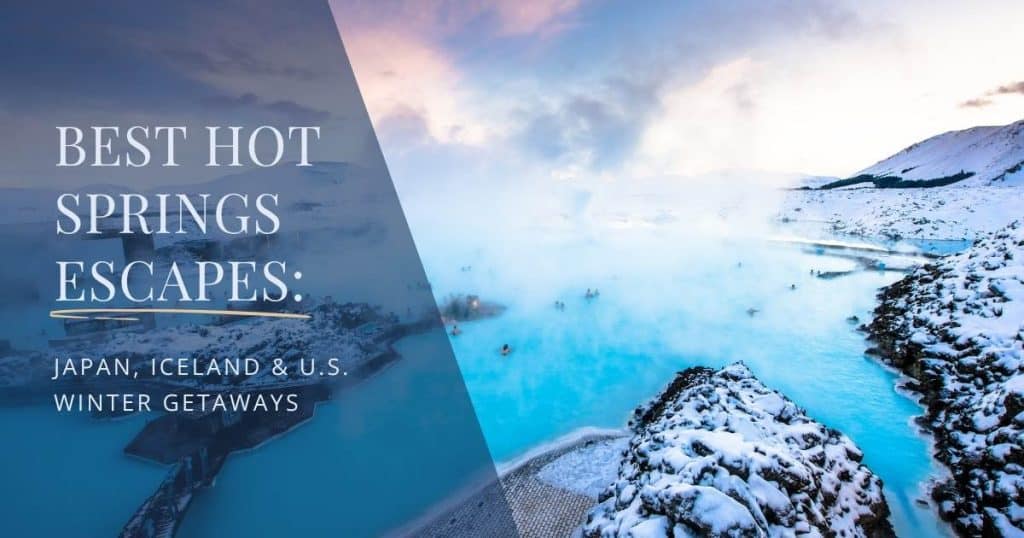
- Blue Lagoon: Still Iceland’s most iconic spa, it combines milky-blue waters, luxurious treatments, and proximity to Keflavík airport. While touristy, it remains a must for first-time visitors in 2026.
- Sky Lagoon (Reykjavik): A newer competitor, offering an infinity-edge pool with sweeping ocean views. Its 7-step wellness ritual is perfect for couples seeking a pampered experience.
- Secret Lagoon (Flúðir): The oldest man-made pool in Iceland, surrounded by natural geothermal features, offering a more authentic and less crowded alternative.
Natural Pools and Hidden Gems
For the adventurous, Iceland also hides treasures off the beaten path:
- Reykjadalur Valley: A scenic hike leads to a river warmed by geothermal energy — an unforgettable winter adventure for active travelers.
- Laugarvatn Fontana: A lakeside spa where you can watch bread baked underground in geothermal steam before hopping into hot pools.
Family-Friendly Hot Springs in Iceland
Community pools across Iceland are very family-oriented. Places like Laugarvatn Fontana and small municipal pools near Reykjavik welcome children, often with shallow areas. Blue Lagoon permits children aged two and up, making it an option for families seeking both comfort and convenience.
Romantic Hot Springs Escapes
The Sky Lagoon in Reykjavik is one of Iceland’s most romantic experiences, offering infinity-edge views over the North Atlantic. Pair it with the 7-step wellness ritual for the ultimate couples’ retreat. For something more secluded, the Secret Lagoon’s rural charm creates a tranquil, intimate setting.
Hot Springs and Northern Lights in Iceland
Few experiences rival soaking in a geothermal pool under the dancing aurora borealis. Winter 2026 is an excellent time to combine Northern Lights tours with hot springs visits. The Blue Lagoon and Sky Lagoon are close to Reykjavik, making it easy to plan an evening soak followed by aurora hunting. For a more adventurous option, head to rural pools like Laugarvatn Fontana, where lower light pollution increases your chances of seeing the Northern Lights. Always check aurora forecasts and weather updates before setting out.
Practical Iceland Tips
- Weather first: Icelandic winters bring road closures and storms. Always check conditions before heading to remote springs.
- Budgeting: Iceland is one of Europe’s priciest destinations. Save by booking packages through platforms like Expedia, or consider staying in guesthouses near smaller springs instead of Reykjavik’s main resorts.
💡 Travel Tip for Iceland: For Blue Lagoon, Sky Lagoon, or Northern Lights + hot springs combos, booking through GetYourGuide or Viator gives you flexibility and reliable cancellation policies. For accommodations, compare Reykjavik boutique hotels and countryside lodges on Booking.com, Trivago, or Expedia.
U.S. – Relaxation From Rockies to California
Colorado & Rocky Mountain Retreats
Colorado is perhaps America’s crown jewel for hot springs lovers. Highlights include:
- Glenwood Hot Springs: Known as one of the largest hot spring pools in the world, it’s ideal for families thanks to kid-friendly areas.
- Strawberry Park Hot Springs (Steamboat Springs): A rustic retreat surrounded by snowy forests. By day, it’s family-friendly; by night, it transforms into a clothing-optional adults’ escape.
California’s Desert & Mountain Escapes
- Desert Hot Springs (near Palm Springs): Luxury spas and boutique resorts make this an excellent couples’ getaway.
- Sierra Nevada Springs: Hidden natural pools for adventurous travelers who prefer off-the-map experiences. Check accommodations close to the springs in Lake Tahoe, Mammoth Lakes, or Yosemite gateway towns (Lee Vining, June Lake, Bishop, Groveland, Mariposa, Oakhurst, etc.) Many also overnight in or around Yosemite National Park since it’s one of the region’s biggest draws.
Family-Friendly Hot Springs in the U.S.
Families traveling in the U.S. will find plenty of options. Glenwood Hot Springs in Colorado is one of the largest and has designated shallow pools for kids. In Arkansas, Hot Springs National Park combines heritage with safe, supervised environments for families.
Romantic Hot Springs Escapes
In the U.S., Desert Hot Springs near Palm Springs is ideal for couples seeking boutique spa resorts with desert sunsets. In Colorado, Strawberry Park Hot Springs offers rustic outdoor pools surrounded by snow, perfect for a cozy evening soak.
Make the Most of Your U.S. Hot Springs Escape
Hot springs are just the beginning. Pair your soak with unforgettable adventures in the Rockies, Sierra Nevada, and California deserts. Viator makes it easy to book top-rated tours and experiences with peace of mind.
- Colorado Rockies: Combine a soak in Glenwood Springs with a guided hike or a scenic Rocky Mountain National Park wildlife tour.
- California Sierra Nevada: After relaxing in Mammoth Lakes hot springs, try a day trip to Yosemite or a photography tour of Mono Lake.
- Palm Springs & Desert Hot Springs: Pair your spa retreat with a Joshua Tree National Park stargazing or Jeep desert adventure.
- Arkansas Hot Springs: Discover history with a guided walking tour of Bathhouse Row and the surrounding National Park trails.
✨ Turn your hot springs getaway into a full adventure — explore tours and activities on Viator:
Other Notable U.S. Hot Springs
- Hot Springs, Arkansas: Famous for its historic bathhouses, blending wellness with heritage.
- Yellowstone Area (Wyoming/Montana): While bathing inside the park’s thermal areas is unsafe, nearby resorts offer safe geothermal pools with epic mountain backdrops.
Travel Tips for U.S. Hot Springs
- Best states to focus on: Colorado, California, Arkansas, and Montana.
- Accommodation styles: Choose between polished resorts with spa packages or rustic natural pools where you rough it in the snow.
- Trip planning: Bundled deals through Expedia often include flights, hotels, and car rentals — smart for travelers planning a full winter hot springs trip.
💡 Travel Tip for the U.S.: For hot springs tours, wellness packages, or unique experiences, platforms like GetYourGuide and Viator are great resources. To book your stay — whether a mountain lodge in Colorado, a spa resort in Palm Springs, or a boutique hotel in Hot Springs, Arkansas — use Booking.com, Expedia, or Trivago.
🗺️Interactive travel maps
See Your Trip Come Alive on the Map
A peek at how GaiaGazer’s curated travel maps look right inside your Google Maps app—ready to guide you through each city.


1 / 4
Planning Your Hot Springs Trip in 2026
When to Travel
Timing can make or break your hot springs experience. For the full snow-and-steam effect, December through February is ideal. If you want to avoid heavy crowds, consider visiting in mid-January, when the holiday rush has passed but the scenery is still breathtaking.
- Japan: January and February bring the most enchanting snowy landscapes in onsen towns like Kusatsu and Nagano.
- Iceland: December to February is prime for dramatic contrasts — soaking in steaming waters beneath the Northern Lights.
- U.S.: Winter peak varies by state, but Colorado and California hot springs shine in January when ski season crowds overlap with spa seekers.
Tip: Visit weekday mornings for quieter pools and fewer crowds.
Hot Springs Packing Checklist
- Swimwear: Required in Iceland & U.S., but not in most Japanese onsens.
- Quick-dry towel: Lightweight microfiber towels save space and dry fast.
- Flip-flops or water shoes: Helpful for icy or rocky paths.
- Warm outer layer: A robe or parka makes transitions from hot pools to cold air comfortable.
- Reusable water bottle: Stay hydrated, especially in hotter pools.
- Extra clothes for kids: Families should pack spare warm layers to keep little ones cozy.
- Plastic bag: For storing wet items without soaking the rest of your luggage.
Family tip: If traveling with kids, pack extra warm clothes and non-slip shoes for safety.
Budget & Money Tips
Hot springs travel costs can vary widely.
- Japan: Public onsens can cost as little as $5–$10 USD, while ryokan stays with private baths may range from $200–$400 USD per night.
- Iceland: Expect spa admissions to run $40–$100 USD per person. Budget travelers can seek out smaller community pools for under $10.
- U.S.: Natural springs may be free, but resorts typically charge $20–$50 per day, with spa packages going higher.
Money-saving hacks:
- Book bundled travel packages (flights + hotels + car rental) through platforms like Expedia to cut costs.
- Families can save by choosing public or community baths instead of private resorts.
- For international travel, manage exchange rates with Wise for transparent fees and real exchange rates — particularly useful when booking in yen or Icelandic króna.
How Much Do Hot Springs Cost in 2026?
Prices vary widely depending on the country and the type of experience you choose. Here’s a quick comparison to help you budget your winter hot springs trip:
| Destination | Budget Options | Mid-Range | Luxury |
|---|---|---|---|
| Japan | $5–$10 (public baths) | $50–$100 (day spas, mid-range ryokans) | $200–$400 (ryokan stays with private baths) |
| Iceland | $5–$10 (community pools) | $40–$70 (regional hot springs, smaller lagoons) | $80–$120+ (Blue Lagoon, Sky Lagoon premium packages) |
| United States | Free–$20 (natural springs, state parks) | $20–$50 (resort day passes) | $150–$300+ (luxury spa resorts, bundled packages) |
Plan Your Perfect Hot Springs Escape — In Minutes
Skip the guesswork. Get a custom, day-by-day winter itinerary for Japan’s onsens, Iceland’s geothermal pools, or U.S. hot springs—tailored to your dates, pace, and travel style (families, couples, or wellness seekers).
We’ll map travel times, suggest kid-friendly soaks, time sunset/night dips, and add smart budget tips—so you just relax and enjoy the steam.
✨ Stress-free planning starts here:
Hot Springs Etiquette & Safety Tips
Hot springs are meant to be relaxing, but they also come with traditions and safety rules that ensure everyone enjoys the experience. Whether you’re soaking in Japan, Iceland, or the U.S., these guidelines will help you feel prepared:
- Shower first: In Japan, it’s customary to wash thoroughly before entering the bath. Even in Iceland and the U.S., most spas expect guests to rinse off first.
- Respect attire rules: Traditional Japanese onsens require bathing nude, while Icelandic and U.S. facilities usually allow swimwear. Always check local policies.
- Mind water temperature: Some pools can reach over 40°C (104°F). Enter slowly, limit time for young children, and stay hydrated.
- Stay quiet and considerate: Many onsens are peaceful places. Keep voices low and avoid disruptive behavior.
- Look after children closely: Pools may be deep or slippery; non-slip footwear is highly recommended.
- Health check: Avoid soaking if you have open wounds, infections, or certain medical conditions.
Memorable Mentions
Not all hot springs make the main list, but these deserve a quick nod for 2026 travelers looking for something different:
- Hungary’s Thermal Baths (Budapest): Famous for historic indoor pools like Széchenyi and Gellért, Budapest blends spa culture with architectural beauty.
- Chile’s Termas Geométricas: A design-lover’s dream, these springs are set in lush forests with bold red walkways leading from pool to pool.
- New Zealand’s Rotorua Hot Springs: Mud pools, geysers, and geothermal spas — a fantastic addition for those exploring the Southern Hemisphere in its summer season.
If your travels take you outside Japan, Iceland, or the U.S., these hot spring experiences add a unique twist to your wellness journey.
✨Playful trip inspiration
Not Sure Where to Go Next?
Take a quick, low-pressure travel quiz and let GaiaGazer match you with destinations, travel styles, and ideas that actually fit your energy, budget, and season of life.
- Fun, bite-sized questions—no sign-up required to play.
- Results tailored for families, couples, and solo explorers.
- Perfect for sparking new trip ideas when you’re stuck deciding.
Conclusion – Soak, Relax, Reconnect
In a world where winter often feels rushed and exhausting, hot springs travel in 2026 offers the antidote: slow, mindful, and restorative escapes. From the cultural depth of Japan’s onsens to Iceland’s wild geothermal landscapes and the rustic-meets-luxury springs of the U.S., there’s a perfect hot pool waiting for every traveler.
Whether you’re planning a romantic getaway, a family bonding trip, or a solo retreat, hot springs provide more than just warmth — they offer renewal, connection, and memories that linger long after the snow melts.
So, where will you soak first? Start sketching your dream hot springs itinerary and let us be your guide to making it unforgettable.
Your Ultimate Travel Companion
Frequently Asked Questions About Hot Springs Travel 2026
Q: When is the best time to visit hot springs in winter 2026?
A: The peak season is from December to February, when the contrast of snow and steam creates the most atmospheric experience. For fewer crowds, mid-January is ideal. In Japan, this period offers snow-covered onsen towns; in Iceland, you may catch the Northern Lights; and in the U.S., ski season overlaps with hot springs escapes.
Q: Are hot springs safe for children and families?
A: Many hot springs welcome families, but safety depends on the destination. In Japan, some onsens may not allow very young children. In the U.S., resorts like Glenwood Springs are family-friendly with shallow pools. Always check water temperatures, supervise children closely, and bring non-slip footwear for icy paths.
Q: What should I pack for a winter hot springs trip?
A: Essentials include quick-dry swimwear (except in traditional Japanese onsens where bathing suits are not allowed), microfiber towels, flip-flops or water shoes, and warm outer layers for walking between pools and lodges. For families, pack extra towels and warm clothes for kids.
Q: Which country has the best hot springs for first-time travelers?
A: Japan is best for cultural immersion and first-time visitors who want to experience traditional onsens and ryokans. Iceland is perfect for dramatic landscapes and unique geothermal pools. The U.S. offers a wide variety, from rustic forest retreats to spa resorts, making it convenient for North American travelers.
Q: How much does it cost to visit hot springs in Japan, Iceland, and the U.S.?
A: In Japan, public onsens often cost $5–$10, while ryokan stays can be $200–$400 per night. In Iceland, spa entry ranges from $40–$100, with smaller community pools under $10. In the U.S., natural springs are sometimes free, while resort access typically costs $20–$50 per day.
Q: Do I need to book hot springs in advance for winter 2026?
A: Yes, advance booking is strongly recommended during winter, especially for popular spots like Japan’s Hakone, Iceland’s Blue Lagoon, and U.S. resorts in Colorado. Many facilities limit capacity, and holiday periods sell out weeks ahead.
Q: What are the cultural etiquette rules for Japanese onsens?
A: In Japan, you must wash thoroughly before entering the bath, avoid bringing towels into the water, and bathe nude in gender-separated areas. Tattoos may be restricted in some facilities, though many now accept them or offer private baths for visitors.
Q: Can I combine hot springs with other winter activities?
A: Absolutely. In Japan, onsens pair perfectly with ski trips in Nagano. In Iceland, a soak after Northern Lights chasing is common. In the U.S., many hot springs are located near ski resorts or hiking trails, making them excellent for relaxation after active days.


📌 Love cultural travel? Explore more ideas on Pinterest →



Comments