
🏞️ Introduction – Adventure Awaits, But Only If You’re Prepared
There’s something undeniably magical about stepping into the wild—whether that means conquering a mountain trail, setting up a tent beneath a starlit sky, or simply exploring a forest path with your kids. But here’s the truth every seasoned traveler knows: the difference between an unforgettable adventure and a frustrating one often comes down to what’s in your backpack.
Being well-prepared with the right gear doesn’t just ensure comfort and safety—it frees you to be fully present. That means more laughter, better stories, and fewer “I wish we’d packed…” moments.
Whether you’re a cultural explorer heading off-grid, a couple tackling new terrain, or a family on your first camping trip, this guide covers all the essential outdoor travel gear to keep you equipped, confident, and ready for whatever nature throws your way.

✨ Free travel toolbox
Free London map & travel toolkit
Grab a beautifully organized London travel map plus a mini bundle of planning resources to make future city trips feel calmer and more intentional.
- Key neighborhoods, highlights, and photo-friendly spots
- Simple tools for budgeting, bookings, and navigation
- Designed for busy, tech-savvy travelers and families
No spam, ever — just thoughtful travel emails and resources you can actually use.
Must-Have Hiking Essentials
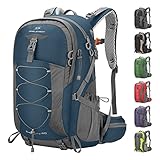
Durable Daypack or Hiking Backpack
Your backpack is the foundation of any outdoor outing. A good one distributes weight evenly, keeps your hands free, and won’t leave your shoulders aching halfway up the trail.
- Look for: Breathable back padding, adjustable straps, hydration bladder compatibility, and at least two compartments.
- Family tip: Smaller, child-sized packs are great for letting kids carry their own snack stash or field guide—building independence while lightening your load.
A friend once shared how their 6-year-old proudly carried their own little pack during a short hike in Acadia. It made the experience more meaningful—for both of them.


Hydration Gear
Dehydration is sneaky, especially on long, sunny hikes. Carrying reusable water bottles or a hydration bladder is non-negotiable.
- Bonus tip: Consider collapsible bottles or adding electrolyte tablets to your pack for warm-weather treks.
- For remote areas, a water filter or purification tablets can be a literal lifesaver.
Always pack more water than you think you’ll need, especially when hiking with kids.


All-Weather Clothing & Footwear
Nature doesn’t wait for perfect weather. Dressing smart is crucial.
- Base layer: Moisture-wicking materials like merino wool or synthetic blends.
- Insulating layer: Fleece or lightweight down jackets.
- Outer shell: Waterproof and windproof jackets with ventilation zippers.
For your feet, sturdy hiking boots with ankle support are ideal. If you’re trail-running or on a day hike, trail runners with grip may work too.
Pro tip: Break in new boots at least a week before your trip to avoid painful blisters mid-trail.


Navigation Tools
Whether you’re exploring a marked trail or venturing deeper, don’t rely solely on phone signal.
- Bring: Offline GPS apps, paper trail maps, or a lightweight compass.
- If traveling abroad, download region maps in advance via apps like Maps.me or Gaia GPS.
It only takes one wrong turn or sudden weather shift to remind you why analog backup matters.
👉 Trusted travel tools
Helpful links that keep trips smoother and costs in check.
Wise: fair currency exchange
Pay like a local and avoid hidden FX fees when booking trains, stays, and tours.
VisitorsCoverage: flexible cover
Compare travel insurance options that fit your trip length, style, and budget.
Airalo: easy local data
Install an eSIM before you fly so maps, tickets, and messaging work the moment you land.
Camping Equipment Checklist
Lightweight Tent or Family-Sized Shelter
Your tent is your home in the wild. Get one that suits your group, your destination, and the season.
- Solo travelers: Go light with a 1- or 2-person backpacking tent.
- Families: Choose a 3- or 4-season tent with ventilation, easy setup, and room for gear.
- Tip: Always do a test pitch in your backyard before your first night out.
When camping with kids, a tent one size larger than needed provides space for bedtime stories, cuddles, and gear.


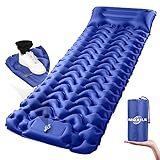
Sleeping Bag + Sleeping Pad Combo
Without good sleep, even paradise can feel punishing.
- Sleeping bags: Match your destination’s climate rating. Mummy bags trap heat better, while rectangular ones offer more wiggle room.
- Pads: Go for insulated or self-inflating pads that cushion and reduce ground chill.
Even summer nights can get cold, especially in higher elevations.


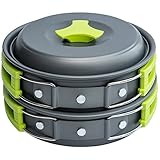
Cooking Gear for the Outdoors
There’s nothing like a hot meal after a day outside.
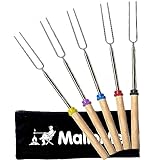
- Essentials: Lightweight camp stove, fuel, lidded pot/pan, heat-resistant utensils, and reusable plates.
- Smart extras: Collapsible sink basin, scrubber sponge, biodegradable soap.
Tip: Use a mesh bag to hang up drying cookware from a tree away from wildlife.

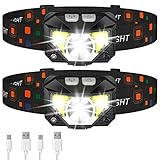
Headlamp or Lantern (With Extra Batteries)
When the sun dips, you’ll want a reliable source of light.
- Headlamps keep your hands free (vital for setting up gear, tending to kids, or late-night bathroom runs).
- Lanterns are ideal for lighting a group space or inside your tent.
Choose models with adjustable brightness and rechargeable batteries when possible.


Safety, Tools & Backup Must-Haves
First Aid Kit (Tailored for Your Trip)
Don’t rely on pre-packed drugstore kits alone. Customize your first-aid kit based on your route, companions, and medical needs.
- Include: Bandages, antiseptic wipes, burn gel, antihistamines, tweezers, anti-blister care.
- For kids: Add fever meds, bug bite cream, and waterproof bandages.
If you’re traveling remotely, a compact emergency guide or first aid reference is a smart addition.
Multi-Tool or Pocket Knife
This do-it-all item is invaluable in the outdoors.
- Use it for: Cutting rope, opening cans, first aid, meal prep, gear repairs.
- Choose models that include scissors, pliers, screwdrivers, and a locking blade.
It’s also helpful when dealing with tangled tent cords or adjusting kids’ hiking gear on the fly.
Weather Protection & Emergency Shelter
Nature is unpredictable—so prepare accordingly.
- Add to your kit: Emergency mylar blanket, lightweight poncho, compact bivy sack.
- Pro tip: These items pack down tiny but offer peace of mind in bad weather.
Whether it’s a freak storm in Colorado or a cold snap in the Alps, these tools turn a crisis into a manageable inconvenience.
🗺️Interactive travel maps
See Your Trip Come Alive on the Map
A peek at how GaiaGazer’s curated travel maps look right inside your Google Maps app—ready to guide you through each city.


1 / 4
Tech Tools for Outdoor Travel
Power Banks or Solar Chargers
Your camera, GPS, or phone won’t last forever—especially on longer adventures.
- Best options: High-capacity power banks with multiple ports or solar chargers if you’re off-grid.
- Pro tip: Bring one dedicated to emergencies and another for day-to-day use.
For families with multiple devices, consider charging hubs with USB-C and lightning compatibility.
eSIM & Offline Connectivity (Airalo)
Staying connected in the wild—or while hopping borders—can be crucial, especially if you’re depending on digital maps or need to check in with loved ones.
- Why eSIMs matter: You can install them digitally without needing a physical SIM card.
- Airalo is a great option for travelers who need short-term data plans across regions or continents.
Ideal for remote work setups, Google Translate access, or live weather tracking during your trip.
Budget Tracking & Travel Spend Management (Wise)
Budgeting doesn’t stop once you leave home. And with unpredictable prices (gear rentals, local guides, snacks), tracking your expenses outdoors is easier than ever with tools like:
- Wise: Great for international travel—helps manage multiple currencies without the high fees.
- TravelSpend: An intuitive app to track your daily costs offline.
These tools help ensure you stay financially in control—even in the middle of a forest.
Adventure Gear Tips for Families
Traveling outdoors with kids requires a bit more planning—but also unlocks a whole new layer of joy.
- Start small: Choose shorter hikes or single-night camping trips first.
- Make it fun: Give kids their own gear—binoculars, headlamps, mini backpacks—to foster curiosity.
- Stay safe: Attach a whistle to each child’s jacket and establish a “spot-to-return-to” rule if they wander too far.
Use nature journals or scavenger hunt checklists to keep kids engaged while teaching them about wildlife and ecosystems.
For parents with toddlers, consider a child carrier backpack that distributes weight ergonomically. Bonus: many have built-in sunshades and gear pockets.
✨Playful trip inspiration
Not Sure Where to Go Next?
Take a quick, low-pressure travel quiz and let GaiaGazer match you with destinations, travel styles, and ideas that actually fit your energy, budget, and season of life.
- Fun, bite-sized questions—no sign-up required to play.
- Results tailored for families, couples, and solo explorers.
- Perfect for sparking new trip ideas when you’re stuck deciding.
Memorable Mentions – Worth the Pack If You Have Room
Not every item is essential—but these extras can significantly enhance your outdoor experience:
- Compact camp chairs or inflatable cushions: Great for longer stays or evenings by the fire.
- Waterproof dry bags: Keep clothes, electronics, or snacks protected in unpredictable conditions.
- Bug repellent (DEET-free for kids): Natural oils or sprays are ideal for forested or tropical areas.
- Packable hammock: Nothing beats an afternoon nap between two trees.
- Card games or story dice: For cozy, device-free entertainment inside the tent.
These additions are perfect when you have a bit more space—or for car campers who don’t need to worry about weight.
🌲 Conclusion – Pack Smart, Explore Freely
The right gear doesn’t just keep you safe—it empowers you to fully embrace the adventure. Whether you’re on a backcountry trail in the Rockies, camping by a Finnish lake, or hiking coastal cliffs in Ireland, having the essentials gives you the freedom to focus on what matters most: connecting with nature, with others, and with yourself.
So before you lace up your boots or zip up your tent bag, double-check this list. Make it your own. Pack smart—not heavy—and explore freely.
✨ What’s your go-to piece of outdoor gear? Share your favorites in the comments—especially those hidden gems that other adventurers should know about!
Your Ultimate Travel Companion


📌 Love cultural travel? Explore more ideas on Pinterest →




Comments