
Introduction: Where Stillness Meets the Soul
What if the stillness you’re craving this summer isn’t found in the ocean’s waves or a bustling European café—but instead, beneath a blazing desert sun, surrounded by towering red rocks and wide, endless skies?
There’s something ancient and profound about desert landscapes. They strip away the noise and distractions, creating space for you to listen—really listen—to your body, your breath, your inner voice. That’s why places like Sedona, Arizona and Joshua Tree, California have become spiritual sanctuaries for those seeking peace, clarity, and healing.
From energy vortexes to sound baths, art communes to silent hikes, these iconic U.S. desert regions offer more than scenic Instagram shots. They invite you to slow down, breathe deeply, and reconnect—with nature, with others, and with yourself.
In this post, we’ll explore why these desert sanctuaries attract cultural explorers and couples looking to unplug, heal, and experience something deeper than the usual summer escape.
TL;DR (Too Long; Didn’t Read)
This guide explores the healing power of the desert in two iconic U.S. destinations: Sedona and Joshua Tree. From energy vortexes to sound baths, these landscapes offer stillness, transformation, and soulful connection. Perfect for couples and cultural explorers seeking reflection, spiritual retreats, and meaningful escapes this summer.

✨ Free travel toolbox
Free London map & travel toolkit
Grab a beautifully organized London travel map plus a mini bundle of planning resources to make future city trips feel calmer and more intentional.
- Key neighborhoods, highlights, and photo-friendly spots
- Simple tools for budgeting, bookings, and navigation
- Designed for busy, tech-savvy travelers and families
No spam, ever — just thoughtful travel emails and resources you can actually use.
Why Desert Retreats Speak to the Soul
The Timeless Call of Stillness
Long before Sedona became a modern-day mecca for vortex chasers, the Native American tribes who lived in the region considered it sacred land. The same is true for Joshua Tree, whose striking landscapes were revered by the Cahuilla people. These weren’t just beautiful backdrops—they were gateways to introspection, ceremony, and connection with the natural world.
There’s a reason that spiritual teachers, artists, and wanderers have long been drawn to the desert. Its silence is profound. Its rawness is humbling. And in the dry, searing heat of summer, time slows down just enough for you to notice things: the rhythm of your breath, the tension in your body, the thoughts you’ve been avoiding.
Healing Beyond the Spa
In Sedona and Joshua Tree, “healing” doesn’t just mean massages and facials—although you’ll certainly find those too. Here, healing is a multi-dimensional journey. It’s chakra realignment beneath a red rock outcropping, it’s breathwork under the Milky Way, it’s sipping herbal tea after a sunrise yoga class while journaling on a sunlit patio.
You’ll meet travelers who came for a weekend and stayed for a year. Artists who found their voice among the canyons. Couples who fell in love again—because they finally had space to talk, to listen, to dream.
👉 Trusted travel tools
Helpful links that keep trips smoother and costs in check.
Wise: fair currency exchange
Pay like a local and avoid hidden FX fees when booking trains, stays, and tours.
VisitorsCoverage: flexible cover
Compare travel insurance options that fit your trip length, style, and budget.
Airalo: easy local data
Install an eSIM before you fly so maps, tickets, and messaging work the moment you land.
Sedona, Arizona – A Vortex of Beauty and Energy
The Allure of Red Rocks and Energy Vortexes
Sedona’s red rock landscapes aren’t just stunning—they’re charged. Many believe this land holds concentrated points of Earth energy, known as vortexes, which can amplify meditation, enhance healing, and create an unmistakable sense of elevation.
The four main vortex sites—Airport Mesa, Bell Rock, Cathedral Rock, and Boynton Canyon—each have their own distinct energy. Whether you’re a skeptic or a seeker, standing among these towering formations under the desert sun tends to leave an impression.
Couples often hike to one of these sites at sunrise or sunset for an intimate, meditative experience that can feel like a shared rite of passage.
Healing Experiences & Retreats
Sedona is filled with holistic practitioners and healing centers. Whether you’re into Reiki, sound healing, yoga, or aura photography, there’s something to support your path.
Popular spots include:
- Sedona Healing Arts – known for guided meditation and crystal energy sessions.
- SpiritQuest Retreats – customizable healing experiences that include solo or couples-focused journeys.
- Aumbase Sedona – where yoga and sound healing sessions happen in glass yurts with breathtaking canyon views.
Planning tip: Summer means fewer crowds and better retreat availability—though morning and evening sessions are best to avoid peak heat.
Local Gems for Cultural Explorers
For those who love to pair spirituality with culture:
- Tlaquepaque Arts Village offers locally made crafts, Mexican-style courtyards, and artisan workshops.
- Verde Valley Wine Trail invites you to sip desert-grown reds surrounded by mesas.
- Sedona’s First Friday Art Walk features contemporary Native American and local desert-inspired art.
You can easily turn a wellness retreat into a cultural immersion—one that feeds your spirit and satisfies your curiosity.
Where to Stay in Sedona
Enchantment Resort (Boynton Canyon)
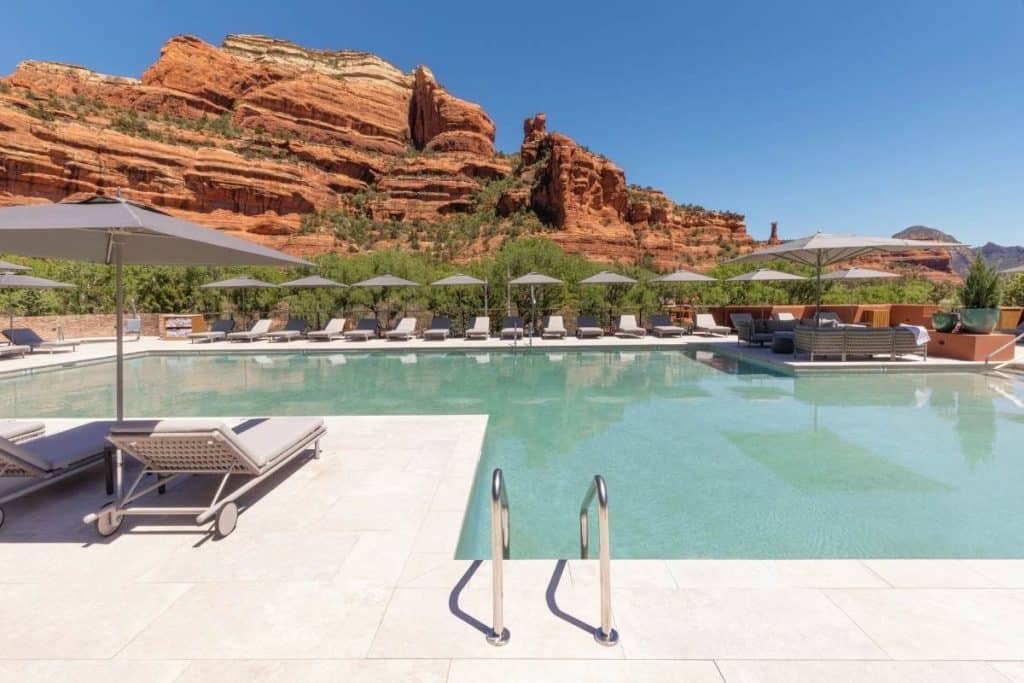
Nestled among Sedona’s iconic red rocks, Enchantment Resort blends luxury with spiritual immersion. Guests come for its spa, meditation programs, and proximity to one of Sedona’s most powerful vortexes in Boynton Canyon.
- Best for: Wellness travelers & couples seeking deep healing
- Why book: Vortex location, award-winning spa, stunning canyon views
L’Auberge de Sedona (Oak Creek)
A tranquil oasis along Oak Creek, L’Auberge offers creekside cottages, fine dining, and outdoor spa treatments beneath the sycamores. Its blend of luxury and natural beauty makes it a favorite for cultural explorers and couples alike.
- Best for: Romantic getaways & cultural immersion
- Why book: Creekside dining, spa under the trees, walking distance to galleries
Joshua Tree, California – Where Earth Meets Cosmos
Joshua Tree National Park – A Landscape Like No Other
Driving into Joshua Tree National Park feels like entering another dimension. The boulders seem stacked by giants, the Joshua trees twist in surreal poses, and the golden desert stretches out like an open canvas.
Early morning hikes to Hidden Valley, Barker Dam, or Cholla Cactus Garden offer serenity before the sun intensifies. In summer, the park becomes a meditation space—with far fewer crowds and golden light that turns every photo into fine art.
Spirituality and Stillness in the Mojave
If Sedona is about Earth energy, Joshua Tree is where Earth meets sky. It’s one of the best stargazing destinations in the U.S., thanks to low light pollution and high elevation.
Don’t miss:
- The Integratron – an acoustically perfect dome built for rejuvenation. Their signature sound bath sessions are celestial, using quartz bowls to tune the body and mind.
- Joshua Tree Retreat Center – hosting spiritual workshops, yoga intensives, and energy healing sessions.
- Noah Purifoy Outdoor Desert Art Museum – a powerful, quiet place for reflection among large-scale desert sculptures.
This is a place where silence doesn’t feel empty—it feels full of possibility.
A Bohemian Desert Culture
Joshua Tree’s creative spirit thrives in its downtown and surrounding areas:
- Joshua Tree Coffee Company for ethically sourced local brews.
- Pioneer Crossing or Crossroads Café for slow breakfasts and cowboy chic vibes.
- Hi-Desert Cultural Center for art shows, poetry slams, and desert-themed performances.
Looking for unique stays? This is the land of Instagram-famous airstreams, geodesic domes, and eco-cabins nestled among the rocks. These are perfect for romantic escapes or unplugged getaways with your partner.
Where to Stay in Joshua Tree
AutoCamp Joshua Tree
A design-forward glamping escape with Airstreams, cozy cabins, and a sleek clubhouse. Guests enjoy modern amenities while being minutes from Joshua Tree National Park, plus stargazing-friendly skies that make evenings unforgettable.
- Best for: Families & couples seeking stylish comfort
- Why book: Luxury Airstreams, pool & clubhouse, dark-sky stargazing
The Kosmic Tortoise
A unique desert retreat known for its quiet, dark-sky location and bohemian style. Perfect for travelers seeking solitude, meditation, and stargazing just outside Joshua Tree National Park.
- Best for: Stargazers & mindful travelers
- Why book: Dark-sky setting, artistic vibe, close to park entrance

How to Get There: Reaching Sedona & Joshua Tree
Planning a desert healing retreat is exciting, but figuring out how to actually get there can feel overwhelming. Luckily, both Sedona and Joshua Tree are accessible if you know the best routes—and a little planning will make your journey much smoother.
Getting to Sedona, Arizona
Closest airport: Phoenix Sky Harbor International Airport (PHX) is the main gateway to Sedona, located about two hours away by car. Flagstaff Pulliam Airport (FLG) is closer, but with far fewer flight options.
Best way to reach Sedona: Renting a car at Phoenix airport is by far the easiest and most flexible choice. It gives you the freedom to explore red rock country at your own pace. Alternatively, shuttle services like Groome Transportation run multiple times daily from Phoenix to Sedona.
Booking tip: Compare rental cars or bundled flight+car deals on Expedia for convenience and potential savings. If you’re combining Sedona with a wider U.S. itinerary, Omio is useful for checking multi-leg ground routes—but in the U.S., driving remains the go-to choice.
Getting to Joshua Tree, California
Closest airports: Palm Springs International Airport (PSP) is just under an hour from Joshua Tree and the most convenient option. For more flight availability, Los Angeles International (LAX) and Ontario International (ONT) are within 2–3 hours’ drive.
Best way to reach Joshua Tree: Like Sedona, a rental car is your best bet—public transport here is very limited. Having a car also makes it easy to explore Joshua Tree National Park’s many trailheads and desert art stops. Shuttles and rideshares exist from nearby hubs, but they can be expensive and infrequent.
Booking tip: Use Expedia to bundle flights into Palm Springs or LAX with a car rental. While Omio is excellent for buses and trains in Europe, it’s less relevant for U.S. desert destinations where driving dominates.
Bottom line: If you’re visiting Sedona or Joshua Tree, plan on renting a car. It’s not just the most practical way to get around—it’s also part of the adventure, giving you the freedom to stop for spontaneous hikes, quirky roadside diners, and those sweeping desert views.
Practical Tips for a Summer Desert Retreat
When to Visit
Desert summers are hot, but with the right timing, they can also be magical. Mornings and evenings offer cooler temperatures and softer light, while midday is best for resting in the shade or enjoying indoor wellness sessions. Here’s what to expect:
- Late May – Early June: Warm but not extreme, with average highs around 85–95°F (29–35°C). Great for sunrise hikes and stargazing before peak summer heat sets in.
- July – Early August: The hottest period, with daytime highs over 100°F (38°C). If you visit then, plan only dawn or dusk activities and spend afternoons resting indoors.
- Late August – September: Temperatures ease slightly, skies are clear, and crowds thin. This is also prime time for stargazing and night hikes.
Families: Late May or late August is often best—cooler mornings, fewer crowds, and activities still running. Bring kids out early, take midday breaks, and save the evenings for safe, shaded walks or sky-watching.
Photography & Stargazing: Desert light is golden at sunrise and sunset, while late-summer skies reveal stunning Milky Way views. Bring a tripod or stargazing app for an unforgettable night under the cosmos.
Staying Connected in the Desert
Cell service in both Sedona and Joshua Tree can be unreliable, especially once you head deeper into the trails or parks. Think of it less as an inconvenience and more as part of the retreat experience—it’s a chance to unplug.
- Offline prep: Download Google Maps ahead of time, save trail maps, and keep important reservation details accessible offline.
- Wi-Fi stops: Cafés in Sedona and Joshua Tree town usually provide solid Wi-Fi if you need to check in briefly.
- Digital detox: Many desert cabins and retreats intentionally skip Wi-Fi. Let your out-of-office reply do the work while you soak up the silence.
- For international travelers: If you’re visiting from outside the U.S., eSIM providers like Yesim or Airalo are reliable options for affordable mobile data without juggling local SIM cards.
What to Pack
Smart Packing for Desert Retreats
The desert demands preparation. Here’s a well-rounded packing guide that blends comfort, safety, and a touch of healing energy.
🌞 Absolute Essentials
- Wide-brim sun hat & SPF 50+ sunscreen (reapply every 2 hours)
- Electrolyte-rich water bottles or hydration packs
- Breathable cotton or linen layers for daytime
- Light jacket for cool desert nights
👨👩👧 For Families
- Cooling towels for kids & older travelers
- Compact first-aid kit (blisters, cactus spines, bandages)
- Collapsible picnic blanket for shaded breaks
- Snacks that don’t melt (nuts, granola, dried fruit)
🧘 For a Healing Touch
- Yoga mat or travel-sized meditation cushion
- Herbal teas, essential oils, or travel crystals
- Journal or sketchbook for reflection
- Stargazing app or binoculars for night skies
✨ Nice-to-Haves
- Portable shade umbrella for midday breaks
- Reusable utensils & collapsible bowls for eco-friendly picnics
- Downloaded playlists, audiobooks, or guided meditations for offline use
- TravelSpend app to track daily food, fuel & retreat costs
Safety & Health Considerations
Desert healing is powerful—but the environment is extreme. A few smart precautions will keep your retreat safe, comfortable, and genuinely restorative.
- Hydration (non‑negotiable): Aim for at least 3–4 liters per adult per day (more if hiking). For active hikes, plan ~1 liter per hour. Add electrolytes during longer outings to avoid hyponatremia (too much plain water without salts).
- Beat the heat: Plan outdoor time at sunrise and sunset. Rest midday (11am–4pm). Choose breathable, light-colored clothing, a wide‑brim hat, and SPF 50+—reapply every 2 hours.
- Know heat illness signs: Watch for headache, dizziness, cramping, nausea, confusion, or a stop in sweating. Move to shade, cool down, hydrate with electrolytes, and seek help if symptoms persist.
- Family‑specific tips: Kids dehydrate faster—offer sips every 15–20 minutes and schedule frequent shade breaks. For toddlers, choose short, flat trails and pack a cooling towel. Older adults should pace gradually and avoid steep climbs in heat.
- Monsoon awareness (summer): Sudden storms can trigger flash floods in washes and slot canyons. Never enter flooded areas; turn around if clouds build or forecasts warn of storms.
- Wildlife respect: Snakes, scorpions, and tarantulas are part of the ecosystem. Stay on trail, never place hands/feet where you can’t see, and shake out shoes. Observe—don’t touch or feed—any animal.
- Cacti & spines: Keep a safe distance from cholla and prickly pear; carry tweezers and duct tape in your daypack to remove spines if needed.
- Navigation & signal: Cell service can be spotty. Download offline maps ahead of time, carry a paper map if hiking, and share your plan with someone before you go.
- Trail readiness: Wear grippy, closed‑toe footwear. Carry sun protection, extra water, snacks, and a small first‑aid kit. Don’t rely on car GPS to find trailheads—use official park maps and posted signs.
- Vehicle safety: Never leave kids or pets in a parked car (interior temps soar quickly). Bring extra water for the car, check coolant/tires, and keep fuel above half—services can be sparse.
- Altitude & pacing: Parts of Sedona and Joshua Tree sit at higher elevations than sea level; if you feel headachy or winded, slow down, hydrate, and choose easier routes on day one.
- Leave No Trace: Pack out all trash, stay on durable surfaces, and be mindful of cryptobiotic soil and fragile desert plants.
- Emergency basics: Know park/ranger station hours and nearest emergency numbers. If someone is in distress, call for help, provide shade, and cool the body while you wait.
🗺️Interactive travel maps
See Your Trip Come Alive on the Map
A peek at how GaiaGazer’s curated travel maps look right inside your Google Maps app—ready to guide you through each city.


1 / 4
Making It a Couple’s Healing Getaway
Whether you’re celebrating an anniversary, planning a milestone trip, or just craving quality time, these desert locations are powerful places to grow together. Here’s how couples are using these spots for intentional reconnection:
- Sunset vortex hikes in Sedona: Shared stillness fosters emotional intimacy and feels like a private ritual.
- Sound baths in Joshua Tree: Lay back side by side and experience energetic alignment under the desert dome.
- Outdoor stargazing from a secluded dome: Talk about cosmic connection—the desert sky turns into your canopy.
Add in a Vrbo desert cabin, a private yoga session, and a bottle of local wine, and you’ve got the kind of retreat that goes beyond romance—it transforms it.
Couples often enhance the experience with creekside anniversary dinners in Sedona or guided night-sky tours in Joshua Tree—perfect for celebrating milestones under the stars.
Tip: Sound baths, private domes, and romantic dining options book up quickly around full moons and weekends, so reserving in advance is highly recommended (Viator has plenty of interesting options…)
✨ Ready to Plan Your Desert Healing Escape?
Whether you’re dreaming of Sedona’s vortex hikes or Joshua Tree’s stargazing nights, our free AI-powered itinerary builder creates a custom day-by-day plan tailored to your dates, style, and pace. Perfect for couples, families, or solo cultural explorers who want a stress-free retreat.
🧭 Let your soulful desert journey come together seamlessly:
Memorable Mentions
Looking to go beyond Sedona and Joshua Tree? These desert sanctuaries offer equally soulful escapes for those willing to explore a little further:
Taos, New Mexico
A high-desert haven with deep Indigenous roots and a thriving artist community. Taos blends adobe architecture, mountain views, and an unmistakable spiritual pull. Don’t miss a visit to Taos Pueblo, a UNESCO World Heritage site still inhabited today.
Ojo Caliente Mineral Springs, NM
About an hour from Santa Fe, Ojo Caliente is one of the oldest health resorts in the U.S. Known for its four different types of healing mineral waters, it offers a tranquil setting for hot soaking, stargazing, and deep reflection.
Great Basin Desert, Nevada
For advanced seekers who truly want solitude, the vast Great Basin desert offers rugged beauty, dark skies, and zero distractions. Explore Bristlecone Pine trails (featuring the oldest living trees on Earth) and Lehman Caves in the national park.
✨Playful trip inspiration
Not Sure Where to Go Next?
Take a quick, low-pressure travel quiz and let GaiaGazer match you with destinations, travel styles, and ideas that actually fit your energy, budget, and season of life.
- Fun, bite-sized questions—no sign-up required to play.
- Results tailored for families, couples, and solo explorers.
- Perfect for sparking new trip ideas when you’re stuck deciding.
Conclusion: The Power of the Pause
We live in a world that tells us to go faster, do more, and stay connected at all times. But in places like Sedona and Joshua Tree, you realize the most powerful moments often happen when you pause, when you get still, when you listen to the silence around you—and within you.
Whether you’re hiking to a vortex in Sedona or lying on a flat rock in Joshua Tree watching the Milky Way appear, these experiences shift something inside. They’re more than scenic getaways. They’re invitations to heal, connect, and remember who you are beneath the noise.
So if your soul has been craving rest, reflection, or reconnection—this summer might just be the perfect time to head for the desert.
Have you visited Sedona or Joshua Tree?
We’d love to hear your story! Share your experience in the comments—or tag @gaiagazer on Instagram to show us your desert moments.
Your Ultimate Travel Companion
FAQ About Desert Healing Retreats: Sedona & Joshua Tree
Q: When is the best time to visit Sedona or Joshua Tree in the summer?
A: While both destinations experience high midday temperatures, early mornings and evenings in late May, early June, and late August offer more comfortable weather with fewer crowds. These months are ideal for sunrise hikes, stargazing, and quiet spiritual retreats.
Q: Are Sedona and Joshua Tree suitable for couples looking for a romantic getaway?
A: Absolutely. Both offer serene, nature-rich environments perfect for bonding. Couples often enjoy vortex hikes, sound baths, stargazing, and staying in unique desert accommodations like eco-cabins or domes. The slow pace encourages connection and shared reflection.
Q: Can I find family-friendly activities in Sedona or Joshua Tree?
A: Yes, but with caution in summer due to the heat. Early morning hikes, short nature walks, and interactive art spaces like the Noah Purifoy museum in Joshua Tree can be enjoyable for older kids. Always pack sun protection and hydrate well.
Q: What’s the difference between Sedona and Joshua Tree for a desert retreat?
A: Sedona is known for its energy vortexes, red rock formations, and holistic healing services. Joshua Tree blends raw desert beauty with cosmic stillness and a vibrant bohemian arts scene. Both offer spiritual experiences, but Sedona leans more metaphysical, while Joshua Tree feels more cosmic and creative.
Q: Are there budget-friendly ways to plan a desert wellness trip?
A: Yes. Booking early through platforms like Booking.com or Expedia can help you find great deals on desert lodges or glamping spots. Traveling in shoulder season (late summer) often means lower rates. Also, many healing experiences—like hikes, meditation, or stargazing—are free or low-cost.
Q: What’s the best way to manage money while traveling in Sedona or Joshua Tree?
A: Since both areas accept credit cards widely but sometimes lack ATMs in remote spots, using a multi-currency app like Wise can be helpful for managing spending, especially if you’re visiting from abroad. It’s great for avoiding hidden fees and tracking your travel budget.
Q: Can I book tours or healing experiences in advance?
A: Yes, and it’s recommended. Platforms like Viator or GetYourGuide offer advance booking for popular experiences like vortex tours in Sedona or sound baths in Joshua Tree. This ensures you get a spot, especially during full moon events or summer weekends.


📌 Love cultural travel? Explore more ideas on Pinterest →





Comments