
🧳 Introduction: Why a Ryokan or Onsen Stay is a Must in Japan
Imagine stepping into a room where the scent of tatami mats fills the air, sliding open a wooden door to reveal a peaceful garden, and slipping into a steamy natural hot spring while snowflakes melt on your shoulders. That’s not a fantasy—it’s a quintessential experience at a ryokan, Japan’s traditional inn, often paired with rejuvenating onsen (hot spring) baths.
In a country that masterfully blends the futuristic with the timeless, staying at a ryokan offers travelers—especially families and culture seekers—a deeply rooted way to pause, recharge, and truly feel Japan.
In this guide, we’ll walk you through the cultural beauty of ryokan stays, introduce some of the best traditional ryokans and onsen resorts across Japan, and share practical tips tailored for families, cultural explorers, and first-time visitors. Whether you’re planning a multi-stop itinerary or looking for a one-night escape, you’re about to discover some of the most meaningful places to rest your head—and soak your soul.
TL;DR (Too Long; Didn’t Read)
This guide explains what a ryokan is and how onsens work (step-by-step etiquette), then curates standout stays across Japan—from Hakone and Kyoto to Kurokawa, Kusatsu and snowy Hokkaido. It helps families, couples and cultural explorers choose with notes on private or family baths, tattoo-friendly options, and both luxury and budget picks. Practical sections cover kaiseki dining, best seasons, what to pack, accessibility, and transport routes to popular onsen towns. Use the FAQs and quick tips to book confidently and add a restorative, culturally rich stay to your Japan itinerary.

✨ Free travel toolbox
Free London map & travel toolkit
Grab a beautifully organized London travel map plus a mini bundle of planning resources to make future city trips feel calmer and more intentional.
- Key neighborhoods, highlights, and photo-friendly spots
- Simple tools for budgeting, bookings, and navigation
- Designed for busy, tech-savvy travelers and families
No spam, ever — just thoughtful travel emails and resources you can actually use.
🏯 What is a Ryokan? (And Why It’s So Much More Than a Hotel)
A ryokan isn’t just a place to stay—it’s an experience wrapped in heritage. Dating back to the Edo period, ryokans were traditionally family-run inns along travel routes, offering weary samurai and merchants a warm meal, a hot bath, and a place to rest.
Today, these stays preserve that same spirit—hospitality that feels intimate and grounded in culture. Guests are greeted with a bow and a cup of green tea. Rooms are minimalist yet cozy: tatami mat flooring, futon bedding, low tables, and sliding paper doors. Many include a balcony overlooking serene landscapes, from mountain valleys to koi ponds.
What truly makes a ryokan special?
- Kaiseki dining: A multi-course meal showcasing seasonal Japanese cuisine. Expect dishes like sashimi, simmered vegetables, miso soup, and tempura—all presented with artistic flair.
- Yukata robes: Provided for lounging around the property and heading to the onsen.
- Omotenashi: The Japanese spirit of selfless hospitality. Staff may anticipate your needs before you even express them.
✨ It’s not unusual for families to gather on floor cushions over a meal, or for couples to bond in a private onsen under the stars. These moments foster the kind of connection that modern hotels rarely offer.
👉 Trusted travel tools
Helpful links that keep trips smoother and costs in check.
Wise: fair currency exchange
Pay like a local and avoid hidden FX fees when booking trains, stays, and tours.
VisitorsCoverage: flexible cover
Compare travel insurance options that fit your trip length, style, and budget.
Airalo: easy local data
Install an eSIM before you fly so maps, tickets, and messaging work the moment you land.
♨️ Onsen Culture 101: What First-Time Visitors Need to Know
With over 27,000 natural hot springs, Japan is a global hotspot (literally!) for soaking in mineral-rich waters. But before diving in, it’s important to understand onsen etiquette—especially for international visitors and families.
🔹 Types of Onsen
- Rotenburo: Outdoor baths, often with scenic views of forests, rivers, or snow-covered landscapes.
- Konyoku: Mixed-gender baths (rare but still exist in rural areas).
- Kashikiri: Private onsens that can be rented by families or couples.
🔹 Essential Onsen Etiquette
- No swimsuits allowed: Bathing is done in the nude, but modesty towels are used.
- Wash before entering: Cleanse thoroughly at the shower stations first.
- Tattoos?: Many onsens prohibit visible tattoos due to historical associations with gangs (Yakuza). However, tattoo-friendly onsens are growing—just check ahead.
- Quiet, please: Keep voices low. Onsen time is about relaxation and reflection.
- No cameras or phones: Leave them behind and enjoy being fully present.
💡 Traveling with kids? Choose ryokans with private family baths or ones that are explicitly family-friendly. That way, little ones can enjoy the experience without disturbing other guests.
🔹 Step-by-Step Guide to Using an Onsen
For first-time visitors, the process can feel unfamiliar. Here’s a simple walkthrough to help you enjoy the experience comfortably:
- Undress in the locker room – Place your clothes and belongings in the provided baskets or lockers.
- Wash thoroughly at the shower stations – Sit on a stool, use the hand shower, and clean your body completely with soap and shampoo.
- Enter the bath slowly – Step in gradually to let your body adjust to the hot water.
- Keep your towel out of the water – Place it on your head or leave it on the side of the bath.
- Relax quietly – Onsen time is for soaking, not splashing or chatting loudly.
- Exit and rinse lightly if needed – Some prefer to leave the minerals on the skin; others rinse briefly.
- Dry off before returning to the locker room – Use your small towel to pat dry.
- Stay hydrated – Drink water afterward to replenish fluids.
💡 Tip: Each onsen has its own set of rules, so always check signage or follow what locals do.
Best Tattoo-Friendly Onsens in Japan
Not every onsen in Japan accepts tattoos, but attitudes are changing. Some places openly welcome tattooed guests, while others allow entry if tattoos are covered with stickers or bandages. Here are a few well-regarded, tattoo-friendly options worth considering:
- Takaragawa Onsen (Gunma) – Famous for its riverside outdoor baths, this onsen is one of the most welcoming to tattooed visitors and offers a scenic, traditional experience.
- Hoshinoya Tokyo (Tokyo) – A luxury ryokan-meets-modern hotel that accepts tattoos. It’s ideal for travelers short on time who still want an authentic, high-end onsen experience.
- Kinosaki Onsen (Hyogo Prefecture) – Several of the town’s public bathhouses allow tattoos, especially if they are covered with a waterproof patch. The whole area is known for being more open to international travelers.
- Dogo Onsen (Ehime) – One of Japan’s oldest and most historic bathhouses, with some sections allowing tattooed guests. Always check current rules when booking.
💡 Tip: If you’re unsure, contact the ryokan or onsen directly before visiting. Many places are increasingly flexible, especially in regions popular with international travelers.
Klook.com🌿 Best Traditional Ryokans & Onsen Resorts by Region
To help you choose the perfect place, we’ve curated top ryokans and onsen resorts by region—each with its own unique character, ideal audience, and cultural depth.
🗻 Hakone (Near Tokyo) – Best for First-Timers and Families
Why go? Just 90 minutes from Tokyo, Hakone is one of the most accessible onsen regions, with stunning views of Mount Fuji, open-air museums, and lake cruises.
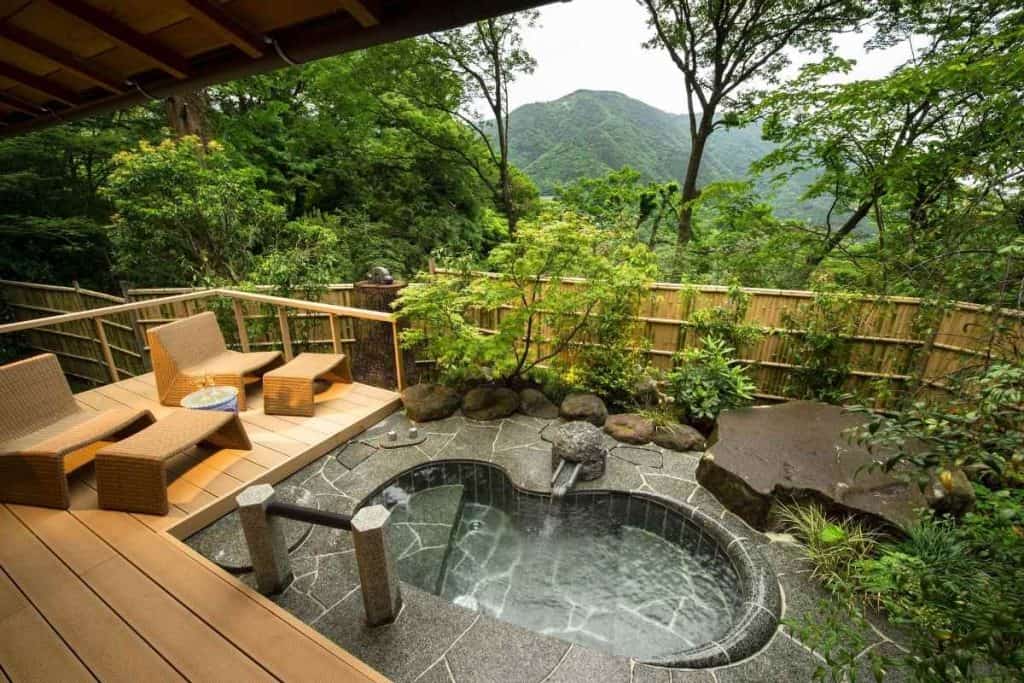
🌟 Featured Stay: Gora Kadan
A former imperial family retreat turned luxurious ryokan. Expect elegant rooms, private rotenburo baths, and award-winning kaiseki meals. Perfect for couples or parents craving high-end relaxation.
Other Excellent Picks:
- Hakone Kowakien Tenyu: Spacious rooms with private onsen tubs, ideal for families.
- Yumoto Fujiya Hotel: A large, kid-friendly resort with both indoor and outdoor baths.
Insider Tip: For families with young kids, visit Yunessun Spa Resort, a quirky onsen theme park where you can soak in coffee, wine, or green tea baths (yes, really!).
🏮 Kyoto – Best for Tradition-Loving Cultural Explorers
Why go? With its centuries-old temples and quiet gardens, Kyoto is a city made for slowing down. Staying in a ryokan here amplifies the cultural depth of every moment.
🌟 Featured Stay: Gion Hatanaka
Nestled in Kyoto’s iconic geisha district, this refined ryokan offers cultural immersion like no other. Join a tea ceremony or geisha performance during your stay.
Other Notables:
- Ryokan Yachiyo: Beautiful Zen gardens and proximity to Nanzen-ji Temple.
- Hiiragiya Ryokan: Over 200 years old, this family-run inn blends luxury with warmth.
Family Tip: Many Kyoto ryokans offer family rooms, but be sure to request futons for children and clarify meal preferences in advance.
🍂 Kurokawa Onsen (Kyushu) – Best for Rustic Charm and Escape
Why go? Tucked away in the mountains of Kumamoto Prefecture, this village is a true hidden gem—no neon lights, just lantern-lit pathways and misty baths under the trees.
🌟 Featured Stay: Ryokan Sanga
Secluded, serene, and stunning. Their open-air rotenburo bath beside a forest stream is the definition of a “reset button.” A dream for slow travelers or couples craving disconnection.
Extra Touch: Guests can buy a wooden nyuto tegata pass to sample other ryokans’ baths in the village.
🌋 Kusatsu Onsen (Gunma) – Best for Local Culture and Healing Waters
Why go? Known for some of the highest-quality hot spring water in Japan, Kusatsu combines authentic public baths with local folklore and tradition.
🌟 Featured Stay: Nisshinkan (日新館)
This family-friendly ryokan is budget-friendly yet rich in experience. Enjoy a kaiseki dinner, then stroll to the famous Yubatake (hot water field).
Don’t Miss: The traditional yumomi show—locals stir scalding hot water while singing folk songs. It’s entertaining and educational.
❄️ Hokkaido – Best for Winter Onsens and Snowy Wonder
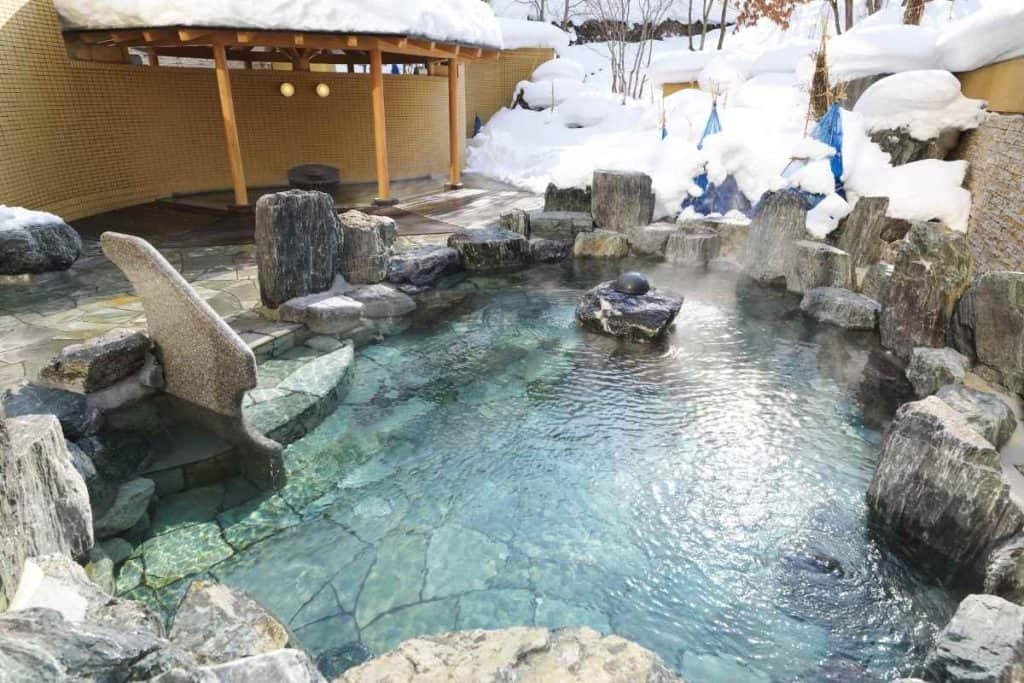
Why go? Northern Japan is a wonderland in winter, and there’s nothing quite like soaking in an outdoor onsen while snow gently falls around you.
🌟 Featured Stay: Jozankei Tsuruga Resort Spa Mori no Uta
This Hokkaido resort near Sapporo blends natural elements, forest themes, and plush design. The buffet features seasonal Hokkaido delicacies—perfect for foodie families.
Other Picks:
- Noboribetsu Grand Hotel: Conveniently located and great for children.
- Ryotei Hanayura: Upscale, romantic, and indulgent.
💡 Tip: Onsen resorts in Hokkaido often offer ski-in/ski-out experiences. Perfect for families planning to hit the slopes.
Looking beyond these picks? Use the search below to find ryokans in any region—filter by budget, private baths, or family rooms.
👨👩👧 Ryokan & Onsen Tips for Families
Ryokan stays with children can be both enriching and surprisingly easy—if you know what to look for.
🔹 Booking Tips for Family Travelers:
- Search for family-sized rooms: Look for rooms labeled as “Japanese-style with futons” or “family room with private bath.”
- Choose a ryokan with a private onsen (kashikiri) or family bath option. This allows kids to enjoy the hot spring experience without worrying about traditional public bath rules.
- Communicate in advance: Many ryokans are happy to adapt meals for picky eaters or provide child-size yukata robes if notified ahead.
🔹 Dining Tips:
- Kaiseki meals can be long (and quiet). For young children, ask if they offer a simplified meal—many do!
- Some ryokans allow dinner to be served in-room, which is great for little ones needing an early bedtime.
🔹 Location Tip:
Stay close to family-friendly attractions—like Hakone’s ropeways or Kyoto’s monkey park in Arashiyama—to make transitions smoother between play and rest.
✨ Story Moment: One of our friends shared how their 7-year-old loved wearing a yukata and choosing their favorite dish from the kaiseki tray. “It made her feel like a little princess in an old movie,” they said. Experiences like these stick with children long after the trip ends.
Klook.com🗺️Interactive travel maps
See Your Trip Come Alive on the Map
A peek at how GaiaGazer’s curated travel maps look right inside your Google Maps app—ready to guide you through each city.


1 / 4
🧘 For Cultural Explorers: Going Deeper Into the Experience
For travelers who seek more than just sightseeing, ryokans provide the perfect gateway to Japan’s spiritual and artistic soul.
How to Go Deeper:
- Choose a heritage ryokan: Look for inns that have been family-run for generations (Hiiragiya in Kyoto, for example).
- Add experiences: Some ryokans offer extras like tea ceremonies, calligraphy lessons, or even zazen meditation sessions.
- Opt for smaller, lesser-known towns: Staying in ryokans in Magome, Tsumago, or Takayama can immerse you in Edo-period streetscapes with fewer tourists.
These aren’t just accommodations—they’re living time capsules.
💡 Cultural travelers may want to pair their ryokan stay with a visit to a local onsen known for historical significance, like Dogo Onsen in Ehime, one of Japan’s oldest.
✨ Most Luxurious Ryokan Experiences in Japan
Ready to splurge on a stay that blends deep tradition with thoughtful comfort? These ryokans deliver serene spaces, refined dining, and private soaking experiences.
Gora Kadan
📍 Hakone – Former imperial retreat in the hills, with easy access to art museums and Lake Ashi.
✨ Private rotenburo suites • Seasonal kaiseki dinners • Quiet garden views
Hiiragiya Ryokan
📍 Kyoto – Historic, family-run inn near central temples and classic lanes.
✨ Heritage tatami rooms • Meticulous kaiseki courses • Attentive, discrete service
Hoshinoya Tokyo
📍 Central Tokyo – Contemporary ryokan concept near major business and sightseeing hubs.
✨ Sleek rooms with soaking tubs • Floor lounges • Calm retreat in the city
💡 Tip: Luxury ryokans book out early in peak seasons (autumn foliage, New Year, spring blossoms). Reserve well in advance for preferred room types and private bath times.
Kaiseki Dining – The Culinary Heart of the Ryokan Experience
Kaiseki is a seasonal, multi-course meal that reflects local terroir and careful balance—taste, texture, color, and presentation. It’s a highlight of a ryokan stay and often included in the room rate.
How a Typical Kaiseki Flows
- Sakizuke (amuse): A small bite to set the tone.
- Hassun: Seasonal platter tying the menu to the region/season.
- Mukozuke: Sashimi course, often showcasing local fish.
- Nimono: Gently simmered vegetables or fish for comfort and balance.
- Yakimono: Grilled item (e.g., river fish, wagyu slice, or seasonal seafood).
- Agemono / Mushimono: Fried or steamed preparation for contrast.
- Sunomono / palate cleanser: Lightly vinegared dish to refresh.
- Shokuji: Rice, miso soup, and pickles—simple, satisfying finish.
- Mizumono: Seasonal dessert, often fruit or a delicate sweet.
For Families & Dietary Needs
- Many ryokans can simplify courses for children (fewer dishes, milder flavors) and offer earlier seating.
- In-room dining helps with bedtime routines and picky eaters.
- Inform the property before arrival about allergies or preferences (vegetarian, no raw fish, gluten concerns). Flexibility varies by inn—earlier notice means better options.
Where Craftsmanship Shines
- Kyoto is renowned for refined kaiseki traditions; long-standing ryokans (e.g., heritage properties like Hiiragiya) and local ryōtei restaurants are known for meticulous presentation and seasonal nuance.
- Hakone ryokans such as Gora Kadan often pair mountain produce with elegant plating and private dining rooms.
- In Tokyo, contemporary interpretations at places like Hoshinoya Tokyo blend classic technique with modern sensibilities.
Practical Tips
- Expect a leisurely 1.5–2 hour dinner; arrive on time to keep pacing smooth.
- Kaiseki changes with the season—menus evolve monthly, so what you experience in autumn will differ from spring.
- If you prefer shorter meals, request a lighter kaiseki or fewer courses when booking.
Want the full picture beyond kaiseki? See our Japan Food Guide for must-try dishes by region, seasonal picks, and simple ordering tips:
Explore the Japan Food GuideAccessibility Tips for Ryokan & Onsen Travelers
Not all ryokans and onsens are equally accessible, but many have made adjustments to welcome a wider range of travelers.
- Stroller and wheelchair access – Modern ryokans and larger resorts often include elevators, ramps, and barrier-free baths. Older, heritage inns may have steep stairs and narrow hallways, so it’s worth confirming before booking.
- Family rest facilities – Some family-friendly ryokans provide changing areas, kid-sized yukata, and flexible meal options. These extras can make a big difference for parents with small children.
- Private baths as an alternative – For guests who may not be comfortable with public bathing or who require additional privacy, reserving a private onsen (kashikiri) is a practical solution. This option is especially useful for those with mobility needs or sensory sensitivities.
💡 Tip: Contact the ryokan in advance to ask about accessibility features. Japanese hospitality often means staff are happy to help accommodate specific needs.
How to Reach Japan’s Onsen Towns
Japan’s onsen resorts are spread across the country, and knowing how to reach them can save both time and stress.
- Tokyo → Hakone – Just 90 minutes away, Hakone is accessible by the Odakyu Romancecar or local trains. Tickets can be booked easily through Klook.
- Kyoto → Kurokawa (Kyushu) – Reaching Kurokawa requires a combination of train and bus rides. While less direct, the journey is part of the charm, offering scenic mountain views along the way.
- Sapporo → Jozankei (Hokkaido) – A short bus ride from Sapporo takes you straight to Jozankei, making it an easy add-on to a winter trip in Hokkaido.
💡 Tip: For stress-free planning, use Klook to book trains, buses, or transport passes ahead of time. It’s especially handy during peak travel seasons when tickets can sell out quickly.
Klook.comPlanning rail segments or considering a JR Pass? Our Japan Bullet Train & JR Pass Guide covers routes, seat classes, reservations, and practical tips.
Open the Japan Rail Guide🧳 Final Tips Before You Book
✅ Best Seasons for a Ryokan Stay
- Autumn (October–November): Vibrant foliage surrounds many onsen towns.
- Winter (December–February): Picture-perfect snow + steamy outdoor baths = pure magic.
- Spring (March–April): Cherry blossom views from your balcony? Yes, please.
✅ Best Season for Your Onsen Experience
Families → Spring & Summer
- Spring (Mar–Apr): Mild temps, cherry blossoms, and plenty of daytime attractions pair well with shorter soaks for little ones. Many ryokans offer gardens for strolls between baths.
- Early Summer (May–Jun): Longer daylight, riverside walks, and local festivals make scheduling easier with kids. Note that June can be rainy in many regions—choose ryokans with good indoor facilities and private baths.
- Mid–Late Summer (Jul–Aug): Fireworks festivals and alpine escapes (e.g., Hokkaido, Nagano) work well; book air-conditioned rooms and plan earlier evening soaks to avoid heat fatigue.
Couples → Autumn
- Oct–Nov: Peak foliage, crisp air, and outdoor rotenburo views create a calm, romantic setting. Evening kaiseki with seasonal mushrooms and chestnuts rounds out the experience. Book early—this is one of the busiest seasons.
Adventure Seekers → Winter
- Dec–Feb: Snowy rotenburo and ski-and-soak pairings (Hokkaido, Nagano) are unforgettable. Look for properties with indoor + outdoor baths so you can alternate warmth and fresh air. Bring non-slip footwear for icy paths.
Timing Notes
- Golden Week (late Apr–early May), Obon (mid-Aug), and New Year see higher prices and limited availability—reserve well in advance.
- Shoulder weeks (late May, early Dec) often offer quieter baths and better value.
✅ What to Pack
- A small towel (modesty cloth for onsen)
- Hair ties (required for long hair in baths)
- A travel robe or loose-fitting clothes for post-bath comfort
- Lightweight slippers or indoor shoes (if not provided)
✅ Budgeting & Money Tips
- Ryokan prices typically include dinner and breakfast—this helps offset the higher upfront cost.
- Use Wise to exchange money ahead of time and avoid expensive airport rates.
- Use TravelSpend to track onsen entry fees, dining expenses, and souvenirs with ease—especially if you’re hopping across multiple towns.
✨Playful trip inspiration
Not Sure Where to Go Next?
Take a quick, low-pressure travel quiz and let GaiaGazer match you with destinations, travel styles, and ideas that actually fit your energy, budget, and season of life.
- Fun, bite-sized questions—no sign-up required to play.
- Results tailored for families, couples, and solo explorers.
- Perfect for sparking new trip ideas when you’re stuck deciding.
Affordable Ryokans & How to Save Money on Your Stay
Ryokan stays can feel like a splurge, but there are plenty of ways to make the experience more affordable without missing out on authenticity.
- Travel on weekdays – Prices drop significantly outside weekends and Japanese public holidays. Midweek stays can sometimes be 20–30% cheaper.
- Choose smaller towns – Instead of famous hot spring hubs like Hakone or Kyoto, consider charming areas such as Takayama, Beppu, or Nikko. These towns often have traditional ryokans at a fraction of the cost.
- Look for family discounts – Many ryokans offer reduced rates for children, especially when sharing futons. Asking in advance about child pricing can lead to noticeable savings.
- Book smart – Platforms like Trip.com, Booking.com and Hotels.com often feature seasonal discounts, last-minute deals, and loyalty perks that can bring high-end ryokans into reach.
💡 Tip: Because meals are included, a ryokan’s higher nightly rate may actually save money compared to booking a hotel and dining separately.
Plan Your Custom Japan Ryokan & Onsen Itinerary
Build a calm, culture-rich route that pairs ryokan stays, private or family baths, and kaiseki evenings with easy train and bus connections—tailored to your dates and pace.
✨ Stress-free, day-by-day planning for families, couples, and cultural explorers:
🔚 Conclusion: Slow Down, Soak In, and Let Japan Embrace You
A stay in a traditional ryokan with onsen isn’t just a luxurious retreat—it’s an invitation to experience Japan’s culture, history, and hospitality firsthand. Whether you’re sipping tea in a tatami room, sharing laughs with your kids in a private onsen, or listening to snow fall outside a steamy bath, these moments become the soul of your trip.
If you only splurge on one thing during your Japan adventure, make it a night (or two) at a ryokan. It’s more than accommodation—it’s a memory in the making.
Plan Your Ultimate Japan Trip
Frequently Asked Questions About Ryokans & Onsens in Japan
Q: Can children go to an onsen in Japan?
A: Yes, children are generally welcome at many onsens, though age rules vary by facility. Some have no restrictions, while others may limit access for very young children. Families often prefer ryokans with private baths, as these allow children to enjoy the experience without disturbing other guests.
Q: Are tattoos allowed in Japanese onsens?
A: Many onsens still restrict entry for guests with visible tattoos due to their historical association with organized crime. However, this is changing—some onsens now accept tattoos, allow them if covered with stickers, or openly welcome tattooed visitors. It’s best to check in advance or choose a tattoo-friendly onsen.
Q: What is included in the ryokan price?
A: Most ryokan stays include dinner and breakfast, often featuring multi-course kaiseki meals. Guests also receive access to the onsen baths, yukata robes, and amenities such as tea in the room. Prices may appear higher than hotels, but they usually cover both lodging and dining.
Q: Do ryokans serve meals in-room?
A: Many ryokans offer meals in-room, especially dinner, served on low tables in the tatami room. Others may have a dining hall where meals are provided. Families with small children often find in-room dining convenient, but it depends on the property’s style and facilities.
Q: What should I wear at a ryokan?
A: Guests typically wear the provided yukata robe during their stay, both inside the room and around the property. At meal times and when visiting the onsen, wearing a yukata is standard. In the baths themselves, bathing is done without clothing, but a small modesty towel can be carried for use outside the water.


📌 Love cultural travel? Explore more ideas on Pinterest →

Comments