Why Bavarian Castles and Towns Feel Like Stepping Into a Storybook
Alpine air drifts through pine forests. Church bells echo across quiet squares. Pastel façades glow beneath snow-capped peaks.
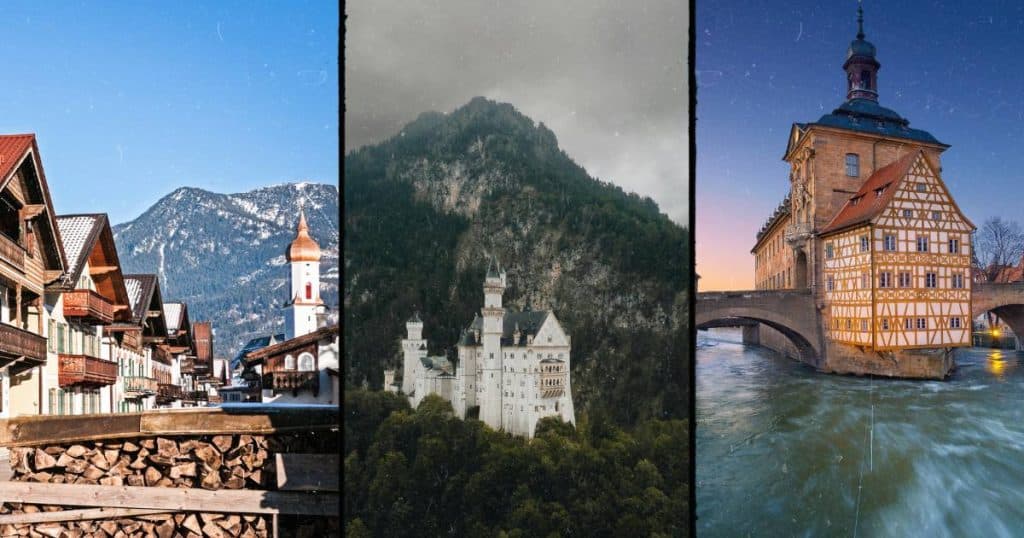
There is something quietly magical about Bavarian castles and towns — not in a theatrical way, but in a grounded, lived-in sense of history. This corner of southern Germany feels layered with stories. Turrets rise above wooded hills. Painted houses lean gently along cobbled streets. Lakes reflect palaces built by dreamers.
Bavaria sits in Germany’s south, stretching from the Franconian vineyards to the dramatic Alps near Austria. It is Germany’s largest federal state, and culturally distinct. Here, traditions run deep. Regional pride is visible in architecture, cuisine, and festivals.
In this guide, you’ll find:
- The most beautiful castles in Bavaria
- The most charming medieval towns in Bavaria
- Practical travel planning advice
- Family-friendly insights
- Cultural context that goes beyond postcard images
Whether you’re planning a first trip to Germany or returning to explore more deeply, this guide will help you move through Bavaria with clarity and confidence.
TL;DR • Bavaria at a glance
A clear guide to Bavaria’s castles, towns, and planning essentials
Bavaria blends dramatic alpine castles with well-preserved medieval towns. This guide helps you choose where to go, when to visit, and how to plan at a comfortable pace.
- Iconic castles: Neuschwanstein, Linderhof, Herrenchiemsee, and Hohenschwangau each offer different scales of royal history and architecture.
- Medieval towns: Rothenburg, Bamberg, Regensburg, and Oberammergau preserve authentic streetscapes, UNESCO heritage, and regional traditions.
- Smart timing: Late spring and early autumn offer the best balance of scenery and manageable crowds.
- Family-friendly planning: Allow extra time between castle visits, book timed entries early, and balance structured tours with open town exploration.
Think of this as a calm roadmap — the full article walks you through logistics, culture, and pacing so your Bavarian journey feels meaningful, not rushed.

✨ Free travel toolbox
Free London map & travel toolkit
Grab a beautifully organized London travel map plus a mini bundle of planning resources to make future city trips feel calmer and more intentional.
- Key neighborhoods, highlights, and photo-friendly spots
- Simple tools for budgeting, bookings, and navigation
- Designed for busy, tech-savvy travelers and families
No spam, ever — just thoughtful travel emails and resources you can actually use.
The Most Iconic Bavarian Castles You Shouldn’t Miss
If you’re searching for the best Bavarian castles, this section gives you the essential ones — not just the most photographed, but the most meaningful to visit.
Neuschwanstein Castle – Bavaria’s Fairytale Icon
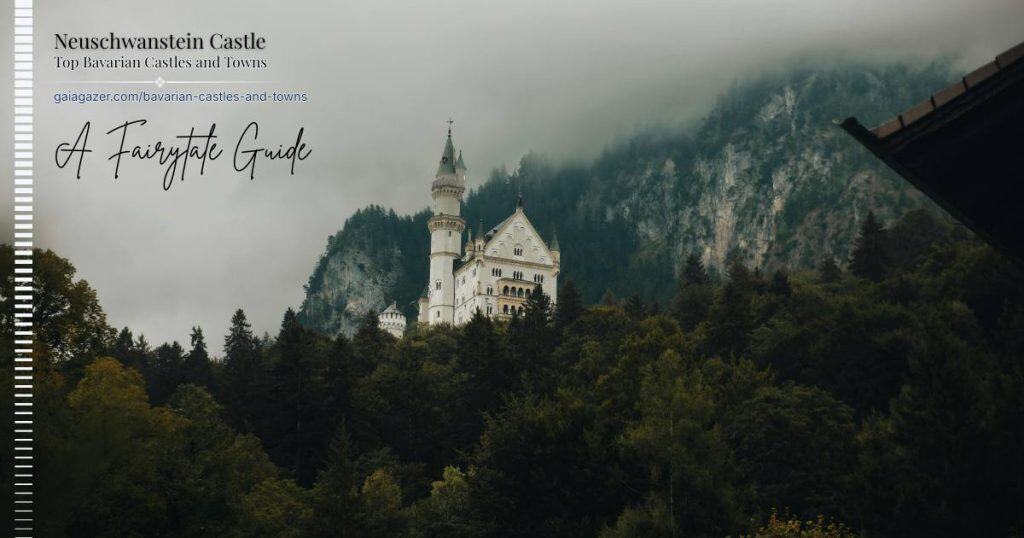
Neuschwanstein Castle is the most famous castle in Germany — and for good reason.
Commissioned in the 19th century by King Ludwig II of Bavaria, it was conceived as a romantic tribute to medieval legends and Richard Wagner’s operas. It was never fully completed, and Ludwig II did not live long enough to enjoy it.
Known in German as Schloss Neuschwanstein, the castle rises above the village of Hohenschwangau near Füssen, Bavaria. Its white limestone towers and blue turrets inspired Disney’s Sleeping Beauty Castle, though the real structure feels far more restrained and rooted in Romantic-era ideals than fantasy spectacle.
Architecturally, it blends Romanesque revival elements with theatrical interiors. Murals depict scenes from Germanic myths. The throne room glows with Byzantine-inspired details. Yet it was also equipped with advanced 19th-century technology, including central heating and running water.
Best viewing spots:
- Marienbrücke (Mary’s Bridge) offers the classic panoramic view.
- The hiking trail toward Tegelberg provides quieter angles.
- Early morning and late afternoon offer softer light and fewer crowds.
The first glimpse from Marienbrücke often feels surreal — the castle framed by forest and mountains below.
When to visit:
- May to early June and September are ideal for fewer crowds.
- July and August are busiest.
- Winter brings snow-covered beauty but limited access to certain trails.
Tickets must be reserved in advance via the official Bavarian Palace Department website or GetYourGuide (see below). Entry is only possible with a timed guided tour.
Family considerations:
The walk from the ticket center to the castle takes about 30–40 minutes uphill. Shuttle buses and horse-drawn carriages operate depending on weather conditions, but final access still involves walking. Strollers are not allowed inside, and tours move at a steady pace, so it’s best suited for school-age children and older.
Culturally, Neuschwanstein reflects the 19th-century Romantic movement in Germany — a longing for myth, medieval imagery, and emotional grandeur. Understanding that context adds depth beyond its fairytale reputation.
Linderhof Palace – Intimate and Elegant
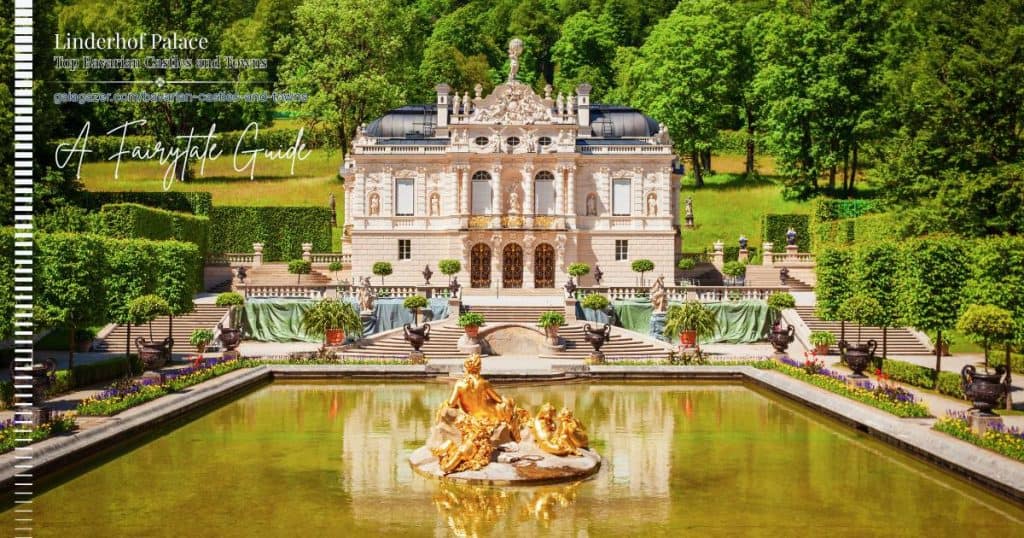
If Neuschwanstein feels dramatic, Linderhof Palace feels personal.
This was the only palace Ludwig II completed during his lifetime. Smaller in scale but richly detailed, it reflects his fascination with French absolutism and Louis XIV.
Located in a secluded valley near Ettal, Linderhof is surrounded by manicured gardens, cascading fountains, and ornamental pavilions. The Hall of Mirrors is particularly striking, designed to amplify candlelight into infinity.
The grounds are easier to navigate than Neuschwanstein, making it a practical choice for families with limited time. Paths are well maintained, and the gardens provide space for children to move comfortably between tour slots.
Because it is less globally famous, Linderhof typically feels calmer. For many travelers, it offers a more intimate glimpse into Ludwig II’s personality — reflective, artistic, and somewhat withdrawn.
Herrenchiemsee Palace – Bavaria’s Versailles on Water
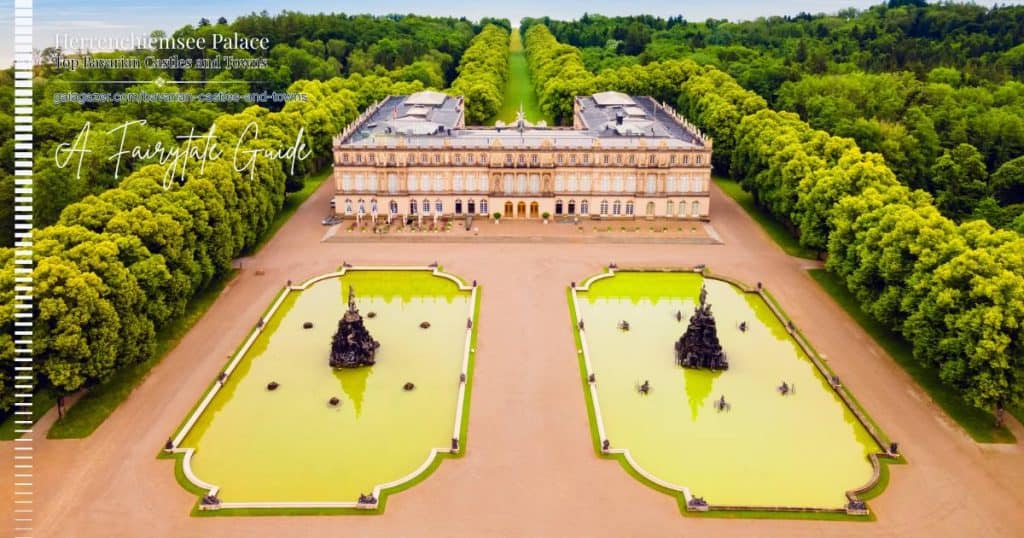
Herrenchiemsee Palace stands on Herreninsel island in Lake Chiemsee, Bavaria’s largest lake.
Inspired directly by Versailles, Ludwig II built it as an homage to the French Sun King. The Hall of Mirrors here is even longer than the one in Versailles, lined with gilded chandeliers and ornate ceilings.
Reaching the palace involves a scenic boat ride from Prien am Chiemsee. In summer, this adds a relaxed rhythm to the visit. The surrounding lake and alpine backdrop create a balance between grandeur and nature.
Inside, many rooms remain unfinished, which subtly tells the story of Ludwig II’s financial overreach and eventual removal from power.
Herrenchiemsee works particularly well as a summer stop. The island setting allows families to combine palace tours with lakeside walks and open-air exploration.
Hohenschwangau Castle – The Overlooked Neighbor
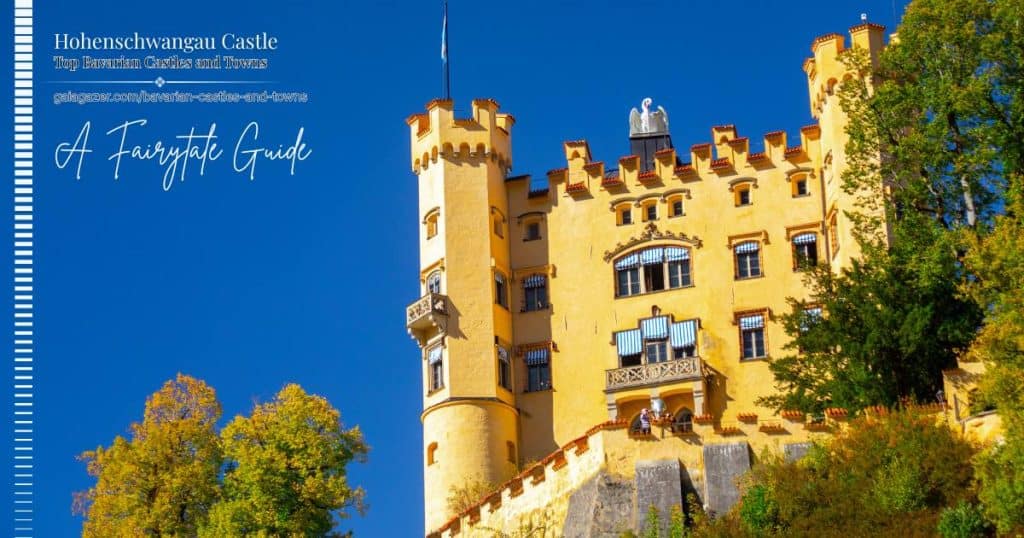
Just below Neuschwanstein sits Hohenschwangau Castle, where Ludwig II spent much of his childhood.
Often overlooked by travelers focused solely on Neuschwanstein, this yellow-walled castle offers historical grounding. It reflects a more realistic medieval revival style and provides context for Ludwig’s later architectural ambitions.
The terrain is less steep than Neuschwanstein’s upper approach, making it somewhat easier for visitors with young children or limited mobility.
If time allows, visiting both castles in one day provides a fuller picture of Bavaria’s royal past.
👉 Trusted travel tools
Helpful links that keep trips smoother and costs in check.
Wise: fair currency exchange
Pay like a local and avoid hidden FX fees when booking trains, stays, and tours.
VisitorsCoverage: flexible cover
Compare travel insurance options that fit your trip length, style, and budget.
Airalo: easy local data
Install an eSIM before you fly so maps, tickets, and messaging work the moment you land.
The Most Beautiful Bavarian Towns Full of Medieval Charm
Beyond castles, Bavaria’s real magic often lies in its towns — places where daily life unfolds against centuries-old backdrops.
Rothenburg ob der Tauber – The Postcard Town
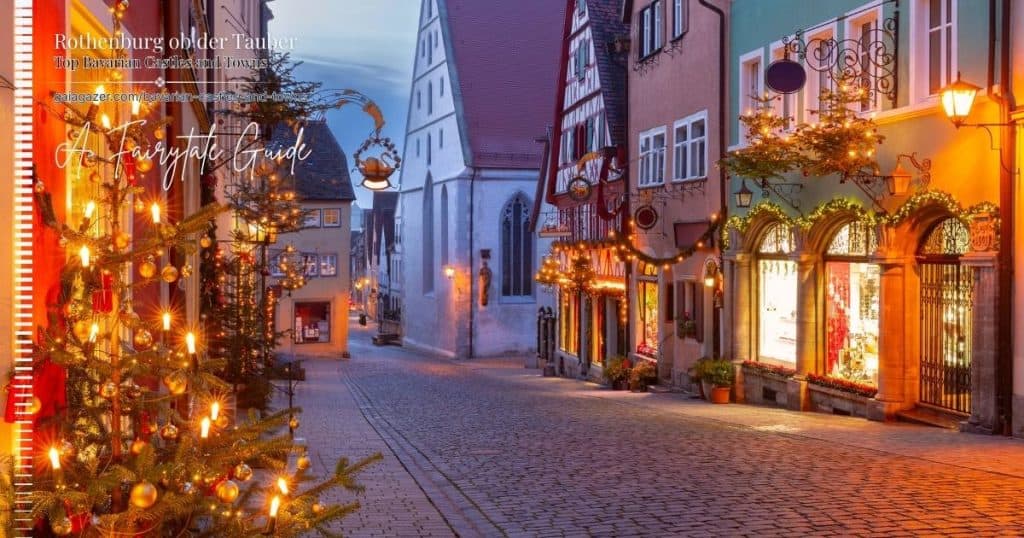
Rothenburg ob der Tauber is one of the best-preserved medieval towns in Europe.
Located along the Romantic Road, it is known for intact city walls, half-timbered houses, and cobblestone lanes that feel almost untouched by time.
Walking the medieval walls offers panoramic views over red rooftops and church towers. The Market Square centers around the Renaissance Town Hall, while the Christmas Museum celebrates Germany’s long-standing festive traditions year-round.
The best times to visit are early morning and late afternoon, especially in peak summer. Tour groups often arrive mid-day.
Rothenburg Germany is compact and easy to explore at a relaxed pace, making it suitable for families. There are few steep hills, and most attractions are within walking distance.
It is one of the most iconic Romantic Road towns, but spending a night rather than visiting on a day trip allows you to experience its quieter side.
Oberammergau – Painted Houses and Alpine Traditions
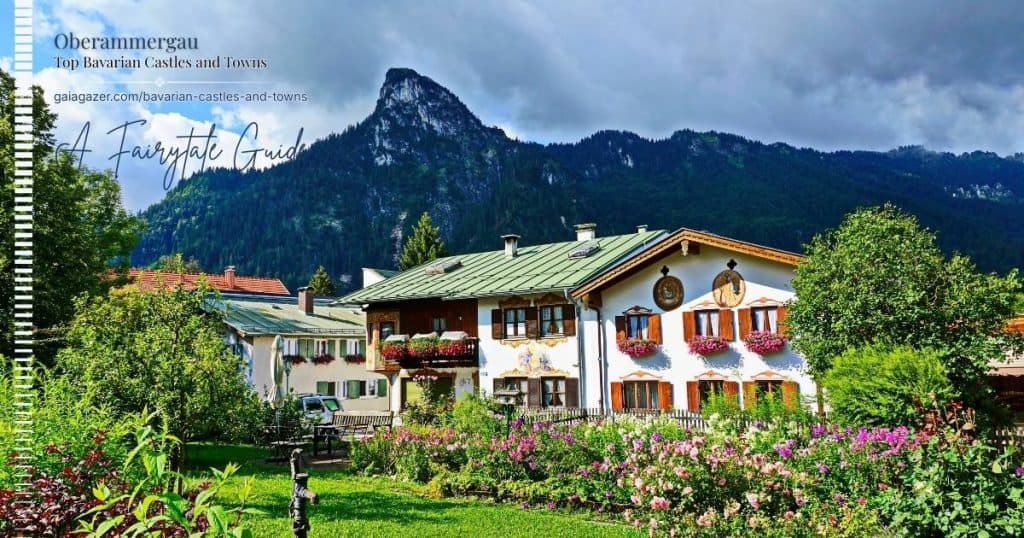
Oberammergau is famous for its Lüftlmalerei — painted frescoes decorating house façades.
Scenes depict religious stories, fairy tales, and regional motifs. Walking through the village feels like moving through open-air artwork, framed by alpine peaks.
The town is internationally known for its Passion Play, performed every ten years. This tradition dates back to 1634, when villagers vowed to perform it if spared from plague.
Oberammergau feels less hurried than larger destinations. It invites slower wandering. The mountain backdrop adds a strong sense of place.
This is a good stop for cultural explorers seeking something authentic rather than heavily commercialized.
Bamberg – A UNESCO-Listed Gem
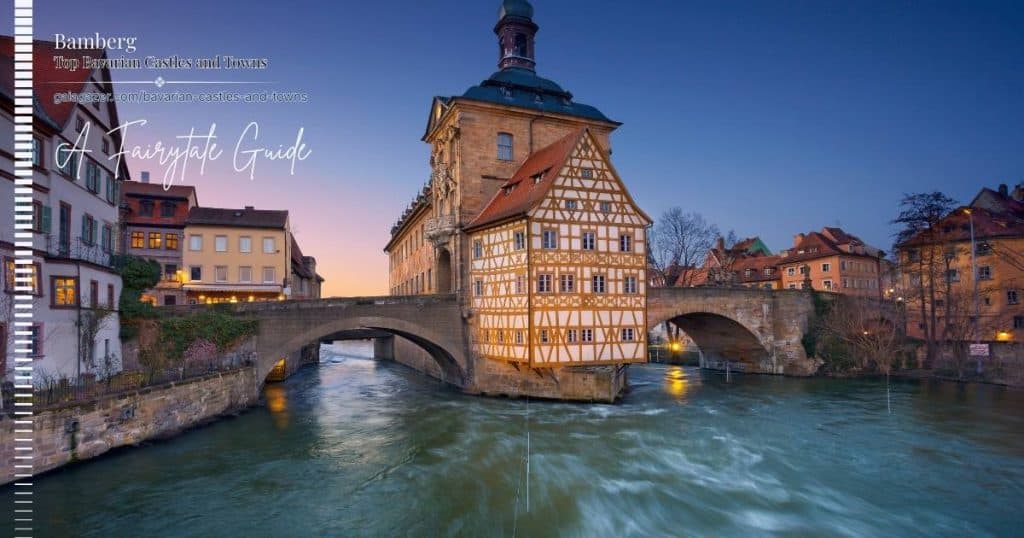
Bamberg’s old town is designated a UNESCO World Heritage Site, and it is often described as one of the most beautiful historic cities in Germany.
Built across seven hills, it has earned comparisons to Rome — though on a smaller scale.
The Bamberg Old Town features narrow lanes, the Altes Rathaus (Old Town Hall) dramatically positioned over the Regnitz River, and the impressive Bamberg Cathedral.
Its medieval layout remains intact, and the town’s blend of Romanesque and Gothic architecture reflects layers of history.
Bamberg also has a respected beer culture, particularly smoked beer (Rauchbier), which is deeply rooted in local brewing tradition. For families, the town remains welcoming and easy to navigate.
As part of UNESCO Bavaria, Bamberg offers cultural depth alongside aesthetic beauty.
Regensburg – Gothic Beauty Along the Danube
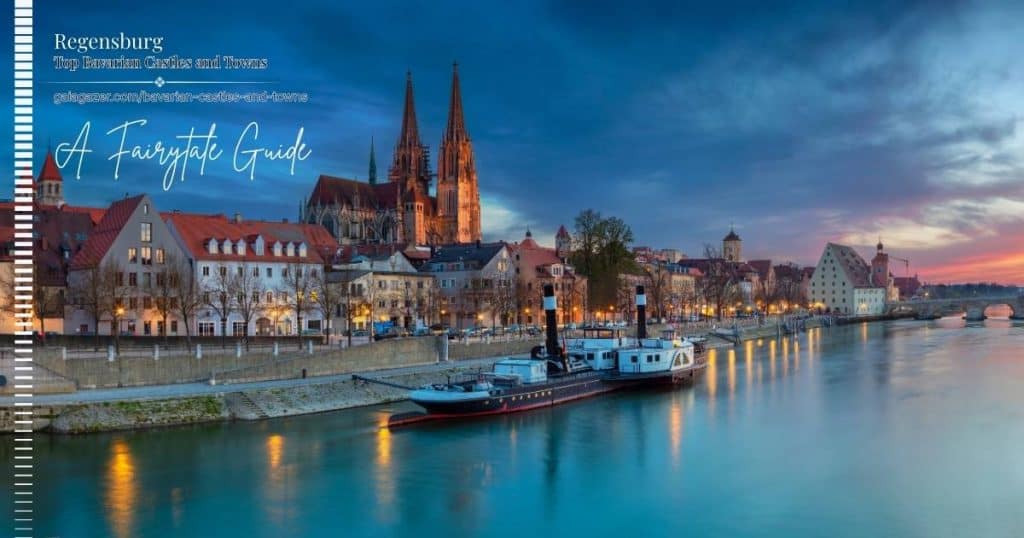
Regensburg sits along the Danube River and is one of Germany’s oldest cities.
Its Stone Bridge, dating to the 12th century, once played a key role in European trade routes. The Gothic Regensburg Cathedral towers over the old town with striking stained glass.
Roman roots are visible throughout the city, including ancient gates and foundations.
Regensburg feels lively thanks to its university population, yet its historic center remains well preserved and pedestrian-friendly.
For travelers seeking history without overwhelming crowds, Regensburg offers balance.
Mittenwald & Garmisch-Partenkirchen – Alpine Beauty
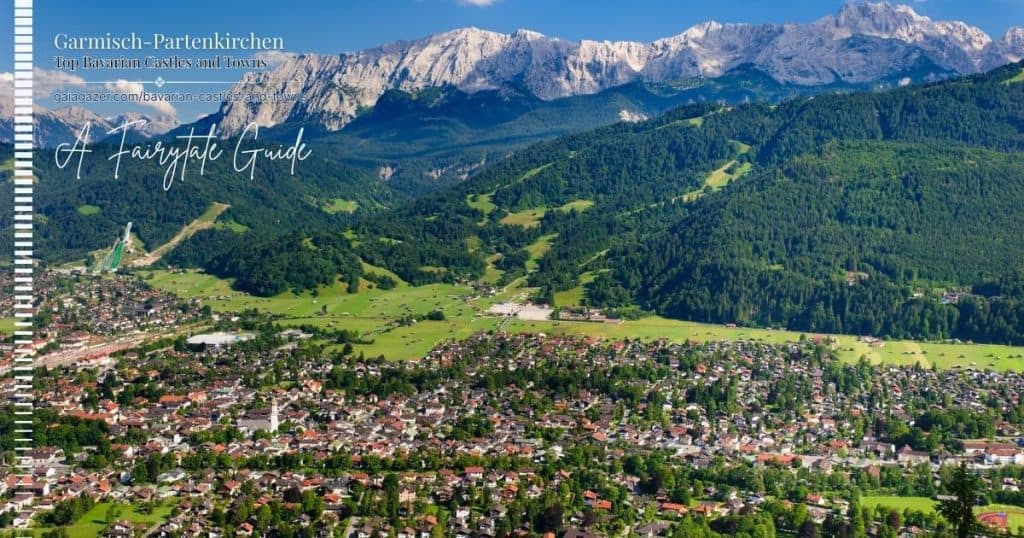
For a different atmosphere, head toward the Alps.
Mittenwald is known for painted houses and violin-making heritage. Streets are decorated with traditional murals, and the surrounding mountains create a dramatic natural frame.
Nearby, Garmisch-Partenkirchen offers access to the Zugspitze, Germany’s highest peak. Cable cars operate year-round, weather permitting, and provide sweeping alpine views.
Families who enjoy outdoor exploration will find hiking trails, mountain lakes, and open spaces ideal for children to move freely.
These towns combine traditional Bavarian aesthetics with alpine adventure — a reminder that medieval towns in Bavaria are only part of the region’s broader identity.
How to Plan a Bavarian Castles and Towns Itinerary
If you’re wondering how to structure your time in Bavaria, the simplest approach is to combine one major castle area with two to three historic towns. Distances are manageable, transport is efficient, and pacing makes all the difference.
Best 3–5 Day Route for First-Time Visitors
For most first-time visitors, Munich works best as a starting point — with international connections, strong rail links, and easy access to southern Bavaria.
3-Day Sample Route
- Day 1: Munich → Neuschwanstein & Hohenschwangau (overnight near Füssen)
- Day 2: Linderhof Palace → Oberammergau → Return to Munich
- Day 3: Rothenburg ob der Tauber (Romantic Road)
5-Day Route
- Days 1–2: Füssen area (Neuschwanstein, Hohenschwangau, Linderhof)
- Day 3: Chiemsee & Herrenchiemsee Palace
- Day 4: Bamberg
- Day 5: Regensburg
Driving provides maximum flexibility, especially for rural stops. However, Bavaria’s regional trains are reliable and well connected. For comparing train routes and regional options across southern Germany, Omio is often one of the simplest platforms to use, particularly for visitors coordinating multiple stops.
Whichever route you choose, avoid trying to “collect” too many towns in one day. Bavaria rewards slower travel.
Best Time to Visit Bavaria
Bavaria is a year-round destination, but the experience changes dramatically by season.
Spring (April–June)
Fresh alpine air, blooming gardens, and moderate crowds. Ideal for palace gardens like Linderhof.
Summer (July–August)
Long daylight hours and vibrant town squares. Expect peak crowds at Neuschwanstein Castle and Rothenburg Germany.
Autumn (September–October)
Crisp air and golden foliage. A wonderful time for castle photography and lakeside visits. Oktoberfest takes place in Munich in late September into early October, which increases regional travel demand.
Winter (December)
Snow-covered Bavarian castles are beautiful. Christmas markets in towns like Rothenburg and Regensburg add warmth and tradition. However, daylight hours are short, and some alpine trails may close due to snow.
For fewer crowds and comfortable weather, late May, early June, and September are often the most balanced choices.
Getting Around Bavaria Easily
Transportation in Bavaria is efficient and generally easy to navigate.
By Train:
Regional and intercity trains connect Munich to Füssen, Bamberg, Regensburg, and Prien (for Chiemsee). Deutsche Bahn operates most routes, and tickets can be purchased online or at stations.
The Bayern Ticket offers unlimited regional travel for one day within Bavaria and can be cost-effective for families traveling together (alternatively you can check Omio if you prefer using that app).
By Car:
Renting a car offers flexibility, especially for Linderhof Palace and smaller villages. Roads are well maintained, and signage is clear.
Parking near major castles is organized but can fill quickly in summer. Arrive early.
Walking:
Most medieval towns in Bavaria are pedestrian-friendly. Cobblestones are common, so comfortable footwear is essential.
Plan for realistic travel times. Even short distances can feel longer when you’re moving through mountain terrain or waiting for timed castle entries.
How Many Days Do You Really Need?
For a meaningful experience of Bavarian castles and towns, three days is the absolute minimum. Five to seven days allows you to explore at a relaxed pace.
Families should consider adding extra time between major stops. Castle tours operate on fixed schedules, and children may need breaks between structured visits.
Cultural explorers may want to linger longer in Bamberg or Regensburg to explore museums, churches, and local neighborhoods beyond the main squares.
The key is not quantity, but rhythm.
Where to stay in Bavaria (so the trip feels easy)
Bavaria works best when you choose one or two smart bases instead of moving hotels every night. These stay hubs match the route in this guide—castles in the south, medieval towns in the north, and calm logistics in between.
Munich (easy, flexible base)
Best if you want strong transport links, day trips, and a simple “sleep in one place” rhythm.
- Great for first-timers and families
- Easy rail access to towns like Regensburg & Bamberg
- Wide range of hotels and apartments
Füssen / Hohenschwangau (castle-focused)
Best for early Neuschwanstein entry and a relaxed pace around the Alps without a long travel day.
- Ideal for Neuschwanstein & Hohenschwangau
- Alpine scenery and slower evenings
- Helpful if you’re traveling by car
Bamberg or Regensburg (old-town nights)
Best if you want to end the day with quiet river walks, historic streets, and fewer crowds than the headline stops.
- Strong choice for cultural explorers
- Walkable centers and atmospheric evenings
- Easy add-on to a 5-day itinerary
Gentle tip: If you’re visiting Neuschwanstein, staying nearby the night before often makes the whole day calmer—especially in peak season. If your trip leans more “medieval towns,” choose one historic city base and add day trips from there.
Visiting Bavarian Castles and Towns With Kids
Bavaria is surprisingly well suited to family travel. Castles spark imagination, and towns are generally safe, clean, and walkable.
Which Castles Are Easiest for Children?
- Hohenschwangau Castle is the most manageable in terms of walking distance.
- Linderhof Palace has spacious gardens for movement between tours.
- Neuschwanstein Castle requires uphill walking and patience during guided tours.
Strollers are typically not allowed inside castle interiors. Baby carriers are often more practical.
Timed tours usually last 30–40 minutes and move steadily. Preparing children beforehand — explaining what they’ll see — helps maintain engagement.
Turning History Into Adventure
Castles naturally lend themselves to storytelling.
Encourage children to notice details:
- Painted shields
- Towers and gates
- Hidden staircases
- Royal portraits
In medieval towns like Rothenburg ob der Tauber, walking along city walls can feel like stepping into a historical adventure. Framing history as discovery rather than lecture keeps the experience enjoyable.
Managing Crowds Without Stress
Crowds are the biggest challenge at major sites.
To reduce pressure:
- Book castle tickets in advance.
- Visit Neuschwanstein early morning.
- Stay overnight in Rothenburg rather than day-tripping.
- Travel in shoulder seasons when possible.
Smaller towns like Mittenwald and Oberammergau typically feel calmer than headline destinations.
With thoughtful pacing, Bavaria remains a relaxed experience even during busier months.
🗺️Interactive travel maps
See Your Trip Come Alive on the Map
A peek at how GaiaGazer’s curated travel maps look right inside your Google Maps app—ready to guide you through each city.


1 / 4
Cultural Insights That Make Your Visit More Meaningful
Bavaria has a distinct cultural identity within Germany.
Bavaria Is Not “Just Germany”
Bavaria (Bayern in German) maintains strong regional traditions. The Bavarian dialect differs noticeably from standard German. Traditional clothing such as Dirndl and Lederhosen remains visible during festivals and community events.
Cuisine also differs from northern Germany, with specialties like Weißwurst, pretzels (Brezn), and regional cheeses playing a central role.
Recognizing these distinctions enriches your visit beyond architecture alone.
Respecting Heritage Sites
Historic preservation is taken seriously.
When visiting castles and medieval towns:
- Follow posted photography rules.
- Do not touch frescoes or historic walls.
- Respect quiet zones inside churches and cathedrals.
- Keep voices low in guided tours.
Bavarian heritage sites are not staged attractions; they are protected cultural landmarks.
Local Foods to Try in Bavarian Towns
Food forms an essential part of the regional identity.
Try:
- Fresh pretzels from local bakeries
- Weißwurst served traditionally before noon
- Apple strudel in small cafés
- Seasonal soups in colder months
Beer gardens are family-friendly environments in Bavaria. Children are welcome, and many gardens provide open seating beneath chestnut trees.
Sampling local cuisine supports smaller businesses and deepens your understanding of regional culture.
✨Playful trip inspiration
Not Sure Where to Go Next?
Take a quick, low-pressure travel quiz and let GaiaGazer match you with destinations, travel styles, and ideas that actually fit your energy, budget, and season of life.
- Fun, bite-sized questions—no sign-up required to play.
- Results tailored for families, couples, and solo explorers.
- Perfect for sparking new trip ideas when you’re stuck deciding.
Memorable Mentions
If you have extra time, these places add additional richness to your Bavarian itinerary:
- Partnachklamm (Partnach Gorge): Dramatic alpine gorge near Garmisch-Partenkirchen with maintained walking paths.
- Würzburg Residence: Baroque palace in northern Bavaria with a renowned frescoed staircase.
- Oberstdorf: Alpine village ideal for hiking and winter sports.
- Lindau: Island town on Lake Constance with lakefront promenades.
- Chiemsee Lake Villages: Peaceful alternatives to busier palace routes.
These destinations broaden your understanding of Bavarian landscapes beyond the most photographed sites.
Final Thoughts on Exploring Bavarian Castles and Towns
Bavaria does not need embellishment. Its beauty lies in balance — between grandeur and simplicity, mountains and river towns, royal ambition and daily life.
Exploring Bavarian castles and towns is not about rushing between landmarks. It’s about moving steadily through places that have preserved their stories with care.
Whether you’re traveling as a family, as cultural explorers, or as a couple seeking quiet beauty, Bavaria offers both structure and softness.
If this guide helped you clarify your plans, consider sharing it with fellow travelers — or saving it as you begin shaping your own Bavarian journey.
Frequently Asked Questions About Bavarian Castles and Towns
A few calm, practical answers to the questions travelers ask most when planning a Bavaria trip focused on castles and historic towns.
Do I need to book Neuschwanstein Castle tickets in advance?
Yes—advance booking is strongly recommended, especially for weekends, summer, and school holidays. Entry is timed, and tours run on a set schedule, so having a reservation keeps your day calm and predictable. If you’re traveling last-minute, plan for fewer time options and build in flexibility around your arrival.
Is Bavaria better by train or by rental car for castles and small towns?
Trains work beautifully for bigger stops like Munich, Bamberg, and Regensburg, and they’re a low-stress option for many travelers. A car becomes more helpful if you want rural flexibility—especially for smaller villages, scenic detours, and tighter multi-stop days. A good rule: use trains for “city + town” days, and consider a car when your plan leans more “countryside + palaces.”
How many days do I need to see castles and towns without feeling rushed?
Three days can cover the highlights, but five days is where the trip starts to feel spacious. Castles involve timed entry and uphill walking, while historic towns are best enjoyed slowly—so extra time makes everything smoother. If you can, give yourself at least one “lighter” day focused on just one town.
Which Bavaria stops are easiest with kids (or anyone who prefers gentle pacing)?
Towns like Rothenburg ob der Tauber and Bamberg are compact and rewarding even at a slower pace, with plenty of natural “pause points” like squares, viewpoints, and cafés. For castles, Linderhof’s gardens and the overall smaller scale often feel more manageable than the full Neuschwanstein day. For families, aiming for one major “structured” visit per day usually keeps moods steady.
What’s the best time of year for Bavarian castles and medieval towns?
Late spring and early autumn are often the sweet spot: comfortable temperatures, beautiful scenery, and fewer peak-season crowds. Summer is lively but busy—early starts make a big difference at headline sites. Winter can be wonderfully atmospheric in towns with Christmas markets, but plan around shorter daylight and occasional weather-related slowdowns.

Created by a travel-obsessed couple with years of real-world trips
Your Journey, Beautifully Organized
Free AI Itinerary Builder
A gentle, fast way to shape your perfect trip — tailored routes, family-friendly pacing, and cultural picks in seconds.
- Instant day-by-day plans
- Adapts to your style & timing
- Save, edit, and refine anytime
Premium Curated Trips
Prefer a fully handcrafted experience? Let our travel designers create a seamless, beautifully balanced itinerary for you.
- Expert human planning
- Handpicked stays & experiences
- Flexible support levels


📌 Love cultural travel? Explore more ideas on Pinterest →



Comments