
Why Exploring New York City Neighborhoods Changes Your Trip
Morning light spills across Brooklyn’s brownstones. A saxophone echoes through a Harlem side street. Steam rises from dumpling baskets in Chinatown as shopkeepers roll up their metal shutters for the day.
This is the real rhythm of New York City neighborhoods.
New York isn’t just one city. It’s a mosaic of layered communities, each with its own culture, history, flavor, and pace. If you focus only on landmarks — the Empire State Building, the Statue of Liberty, Times Square — you’ll see the skyline. But if you explore neighborhoods, you’ll feel the city.
Neighborhoods matter because they shape your daily experience. They determine where you sip your morning coffee, which playground your kids wander into, which bakery becomes “your spot,” and which sunset you remember years later.
In this guide, you’ll discover:
- The best neighborhoods by vibe and personality
- Family-friendly areas that make exploring easier
- Cultural immersion spots with real depth
- Iconic districts versus quieter corners
- How to choose where to stay or explore based on your travel style
If you’re planning your first trip, building a flexible NYC itinerary, or traveling with kids and want clarity before you book, this guide will help you navigate the city with confidence — and intention.
TL;DR • NYC neighborhoods at a glance
Explore New York by neighborhood, not just landmarks
New York feels overwhelming until you explore it one neighborhood at a time. Each area has its own rhythm, culture, and pace.
- Start with contrast: Pair iconic spots like Times Square with calmer areas like Brooklyn Heights or the Upper West Side.
- Choose by travel style: Families benefit from residential, park-adjacent areas, while cultural explorers may prefer Harlem, Chinatown, or the Lower East Side.
- Plan slower days: Focus on 1–2 neighborhoods per day to reduce stress and experience the city more meaningfully.
- Walk whenever possible: Many of the best NYC Brooklyn neighborhoods and Manhattan districts reveal themselves best on foot.
Think of New York as a collection of small cities within one skyline — each worth discovering at your own pace.

✨ Free travel toolbox
Free London map & travel toolkit
Grab a beautifully organized London travel map plus a mini bundle of planning resources to make future city trips feel calmer and more intentional.
- Key neighborhoods, highlights, and photo-friendly spots
- Simple tools for budgeting, bookings, and navigation
- Designed for busy, tech-savvy travelers and families
No spam, ever — just thoughtful travel emails and resources you can actually use.
Manhattan Neighborhoods You Shouldn’t Miss
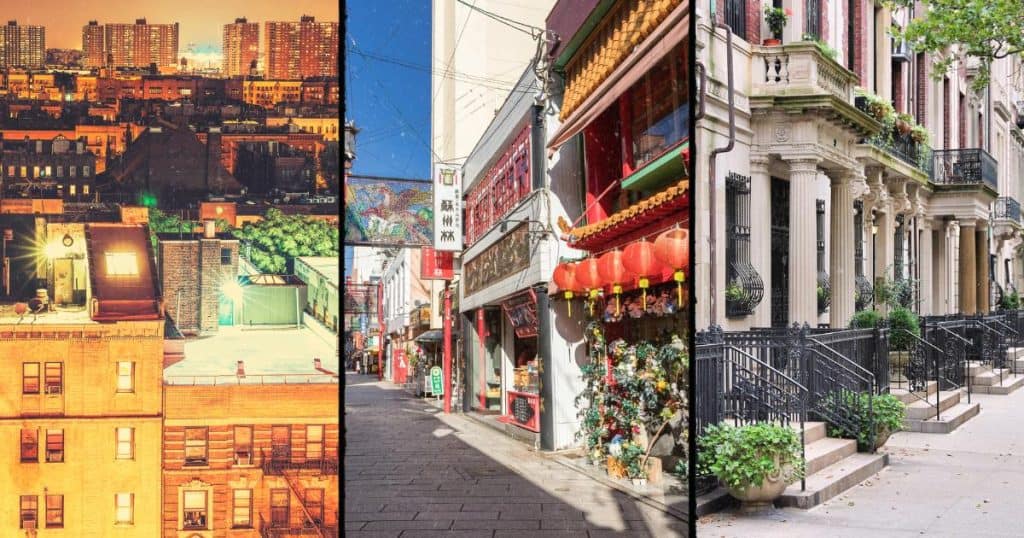
When most travelers imagine New York City neighborhoods, they picture Manhattan first. It’s compact, walkable, and layered with history. But even within Manhattan, the atmosphere shifts dramatically from block to block.
Here are some of the best neighborhoods in Manhattan to explore — each offering a distinct experience.
SoHo – Art Galleries, Cast-Iron Buildings & Creative Energy
NYC SoHo is one of the most visually striking neighborhoods in Manhattan. Its cast-iron architecture, wide cobblestone streets, and industrial facades give it a European-meets-New-York aesthetic that feels timeless.
During the day, SoHo is known for design boutiques, independent galleries, and high-end retail. It’s lively but not chaotic. Street corners often host emerging artists or photographers.
Couples and cultural explorers especially enjoy SoHo for its creative pulse. Spend time wandering without a strict plan. Step into small galleries. Notice the architectural details above eye level.
At golden hour, when the sunlight warms the brick façades, walking these cobblestone streets feels cinematic. It’s one of those moments where New York slows down just enough to let you breathe.
For families, SoHo is easy to navigate with older children. Sidewalks are wide, and there are plenty of cafés for breaks. With toddlers or strollers, it’s manageable — just be mindful of the uneven cobblestones.
Chinatown – Authentic Street Food & Cultural Layers
NYC Chinatown is one of the most culturally rich New York City neighborhoods in Manhattan. It offers an immersive experience rooted in over a century of immigration history.
Chinese immigrants began settling here in the late 1800s. Today, it remains one of the largest Chinese communities outside Asia. The energy is vibrant, authentic, and deeply local.
This is the place to experience dim sum served on rolling carts, hand-pulled noodles prepared in open kitchens, and bakeries filled with sweet and savory buns.
For families, dim sum restaurants are often ideal. Dishes are shared, portioned small, and approachable for children. Just remember to be patient — many restaurants are busy, especially on weekends.
Visit in the morning or late afternoon for a calmer experience. Midday crowds can feel intense. Respectful exploration matters here: photograph mindfully, support local businesses, and avoid blocking narrow sidewalks.
Chinatown isn’t curated for tourists. That’s what makes it meaningful.
Upper West Side – Classic, Residential & Family-Friendly
If you’re searching for a calm, classic Manhattan experience, the Upper West Side stands out among neighborhoods in Manhattan.
Bordered by Central Park and the Hudson River, it feels residential and livable. Brownstones line tree-shaded streets. Families push strollers past corner delis. It’s easy to imagine daily life here.
This area is especially convenient for families. You’re close to Central Park playgrounds, the American Museum of Natural History, and public transportation hubs. Subway lines are straightforward and well-connected.
Compared to Midtown, the Upper West Side feels quieter. You won’t find flashing billboards here. Instead, you’ll find bookstores, cafés, and neighborhood parks.
For cultural explorers, this area also reflects New York’s intellectual side — museums, performance spaces, and historic architecture blend together seamlessly.
Harlem – Music, History & Soul
Harlem is one of the most historically significant New York City neighborhoods. It played a central role in the Harlem Renaissance of the 1920s, shaping American music, literature, and civil rights movements.
Walking through Harlem, you’ll notice beautiful brownstones and community landmarks that reflect generations of resilience and creativity.
The Apollo Theater remains one of the neighborhood’s most iconic institutions. It has launched countless legendary performers and continues to host live events.
Many visitors are curious about attending a Sunday gospel service. If you choose to do so, approach with cultural respect. These are places of worship first, not performances. Dress modestly, arrive on time, and follow the guidance of the congregation.
One quiet morning, as sunlight filtered through stained-glass windows, the harmony of a choir filled the space in a way that felt both powerful and deeply human. It’s an experience rooted in community, not spectacle.
Harlem rewards travelers who slow down and listen.
👉 Trusted travel tools
Helpful links that keep trips smoother and costs in check.
Wise: fair currency exchange
Pay like a local and avoid hidden FX fees when booking trains, stays, and tours.
VisitorsCoverage: flexible cover
Compare travel insurance options that fit your trip length, style, and budget.
Airalo: easy local data
Install an eSIM before you fly so maps, tickets, and messaging work the moment you land.
Brooklyn Neighborhoods With Character & Views
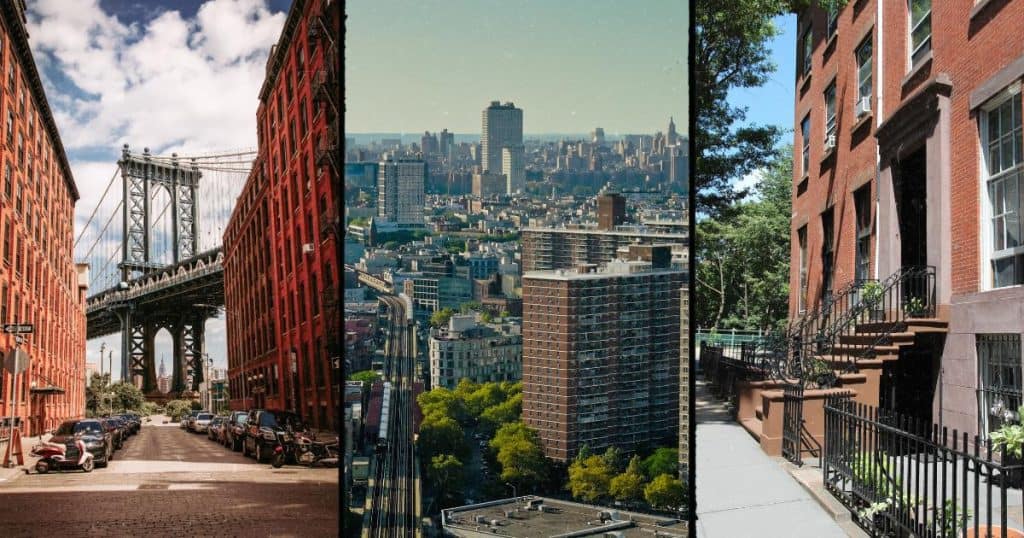
NYC Brooklyn neighborhoods have become central to the city’s identity. Brooklyn offers space, skyline views, and a creative energy that feels distinct from Manhattan.
Crossing the East River often feels like stepping into a different version of New York.
DUMBO – Brooklyn Bridge Views & Riverside Walks
DUMBO (Down Under the Manhattan Bridge Overpass) is famous for its postcard-perfect views of the Brooklyn Bridge framed between red-brick buildings.
Arrive early — ideally around sunrise — for the most peaceful experience. The light softens the skyline, and the streets are nearly empty.
Jane’s Carousel, located inside a glass pavilion in Brooklyn Bridge Park, is a favorite for families. Children love the vintage horses, and parents appreciate the waterfront setting.
Brooklyn Bridge Park itself stretches along the East River with wide walking paths, playgrounds, and open lawns. It’s stroller-friendly and spacious.
For many visitors, this is where they capture their favorite NYC skyline photo.
Williamsburg – Cafés, Street Art & Indie Vibes
Williamsburg represents a younger, creative side of NYC Brooklyn neighborhoods. It’s known for street art, boutique cafés, music venues, and independent shops.
The food scene is diverse. You’ll find everything from modern bakeries to international street food.
For adults or couples, Williamsburg’s energy is especially appealing in the evening. Rooftop bars and music venues create a lively atmosphere.
Families can still enjoy daytime visits — parks along the waterfront and casual eateries make it accessible. However, it feels less residential than Brooklyn Heights.
Visit during daylight if you prefer a calmer, more relaxed exploration.
Brooklyn Heights – Quiet Charm & Skyline Sunsets
Brooklyn Heights feels like a peaceful retreat. Brownstones line tree-covered streets. The pace slows down noticeably compared to Manhattan.
The Brooklyn Heights Promenade offers one of the most beautiful skyline views in the city. Sunset here is unforgettable, especially on clear evenings when the skyscrapers glow across the river.
This neighborhood is ideal for families. Streets are stroller-friendly, traffic is lighter, and playgrounds are nearby.
It’s also perfect for travelers who want to stay near Manhattan without staying in Manhattan. The subway ride across the river is quick and simple.
Iconic NYC Neighborhoods First-Time Visitors Often Search For
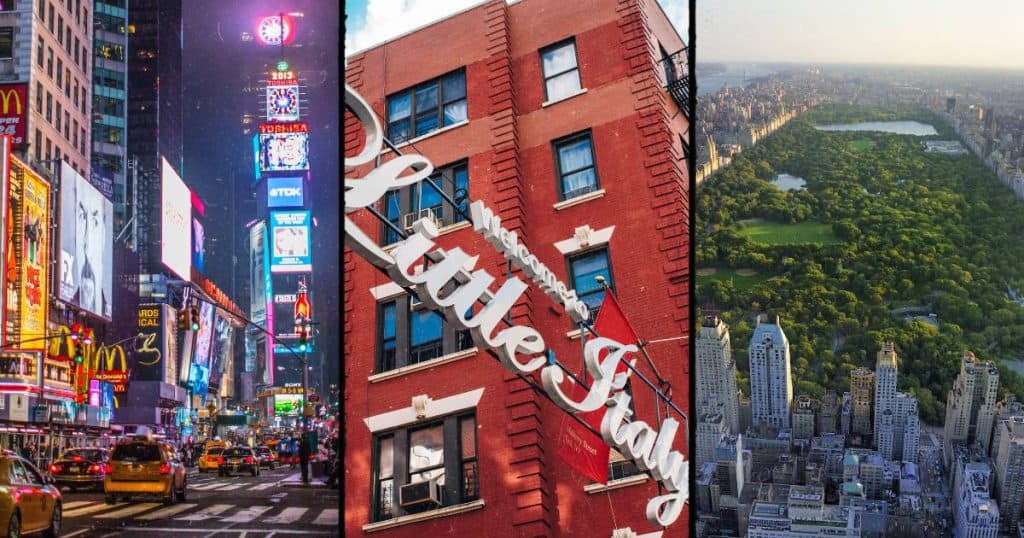
Some New York City neighborhoods appear in almost every travel search. They’re iconic, photographed endlessly, and often crowded — but they still hold value when approached thoughtfully.
Times Square – Is It Worth Visiting?
Times Square is one of the most searched NYC neighborhoods, and yes — it’s worth seeing at least once.
That said, it’s not where you’ll find the most authentic New York experience.
Visit early in the morning if possible. Between 7:00–9:00 AM, the crowds are thinner, and you can take photos without feeling overwhelmed.
For families, Times Square can feel overstimulating. Bright screens, noise, and crowds may be intense for younger children. Plan for a short visit rather than an extended stay.
Most visitors spend 30–60 minutes here before moving on to calmer areas.
Little Italy – Small but Flavorful
Little Italy is smaller than many travelers expect. Today, much of the surrounding area blends into Chinatown.
Still, it offers a charming glimpse into Italian-American heritage, particularly along Mulberry Street.
Restaurants serve classic dishes, and outdoor seating creates a lively atmosphere in warmer months.
Manage expectations. This isn’t a large district. It’s best enjoyed as part of a combined walk through SoHo and Chinatown.
Central Park Area – More Than Just a Park
The Central Park area connects several neighborhoods in Manhattan, including the Upper West Side and Upper East Side.
Central Park itself stretches 843 acres and offers playgrounds, walking trails, boating at the Loeb Boathouse area, and open lawns for picnics.
Museums like the Metropolitan Museum of Art and the American Museum of Natural History sit on opposite sides of the park, making this area culturally rich and family-friendly.
Imagine spreading a blanket near Sheep Meadow in spring, children running across the grass while the skyline rises behind you. It’s one of those simple New York moments that stays with you.
Seasonally, the park transforms. Cherry blossoms bloom in April. Summer brings outdoor concerts. Autumn colors peak in October. Winter offers ice skating at Wollman Rink.
This area works beautifully as a home base for first-time visitors.
How to Choose the Right New York City Neighborhood for Your Travel Style
Choosing among New York City neighborhoods can feel overwhelming at first. The key is to match the neighborhood’s personality with your travel style — not just your bucket list.
Ask yourself: Do you want constant energy, or a calmer base? Are you traveling with children? Is food your focus? Architecture? Music? Museums?
Here’s how to narrow it down.
For Families Traveling With Kids
When traveling with children, simplicity matters.
Look for neighborhoods that offer:
- Easy subway access (major lines nearby)
- Walkable streets with less traffic
- Parks or playgrounds within a few blocks
- Nearby grocery stores and casual dining
The Upper West Side and Brooklyn Heights are often strong choices. Both are residential, well-connected, and close to green spaces.
Central Park alone can fill half a day. Brooklyn Bridge Park offers playgrounds with skyline views.
If you’re staying in Manhattan, avoid relying solely on Times Square or Midtown for your base. They’re exciting but can feel crowded and noisy late into the evening.
With kids, shorter transit times make a big difference. Choose one or two neighborhoods per day rather than crisscrossing the city.
For Cultural Explorers
If cultural immersion is your goal, focus on neighborhoods that reflect immigration history, artistic movements, and community identity.
Harlem offers music and civil rights history. Chinatown reveals layers of immigration and evolving community life. The Lower East Side tells stories of Jewish and European immigrants through museums and preserved tenements.
Explore local bakeries. Visit small museums. Notice murals and historical markers.
New York rewards curiosity.
Instead of rushing from one landmark to another, spend two hours simply walking and observing. That’s often where the most meaningful moments happen.
For First-Time Visitors
If this is your first trip, staying centrally in neighborhoods in Manhattan simplifies logistics.
Midtown, the Upper West Side, or near Central Park give you:
- Easy subway connections
- Walkable access to major attractions
- Plenty of dining options
Plan a mix of iconic sights and neighborhood wandering. For example:
Morning in Central Park.
Afternoon in SoHo.
Sunset in DUMBO.
This balanced approach keeps your experience varied without overwhelming your schedule.
For Repeat Visitors Looking Beyond Manhattan
If you’ve already visited the major landmarks, consider basing yourself in NYC Brooklyn neighborhoods or exploring Queens.
Brooklyn Heights, Williamsburg, and Astoria (in Queens) offer strong local character with quick access to Manhattan.
Astoria, for example, is known for its diverse food scene and waterfront parks with skyline views.
Returning visitors often find that slower exploration — focusing on one borough per day — creates a deeper connection with the city.
🗺️Interactive travel maps
See Your Trip Come Alive on the Map
A peek at how GaiaGazer’s curated travel maps look right inside your Google Maps app—ready to guide you through each city.


1 / 4
Getting Around NYC Neighborhoods Without Stress
New York’s subway system operates 24/7 and connects all five boroughs. For most travelers, it’s the fastest and most affordable way to move between neighborhoods.
As of 2026, the MTA uses contactless payment (OMNY). You can tap a contactless credit card or smartphone at the turnstile (note: MetroCard is retired, with sales and refills officially ended on January 1, 2026).
Here are a few practical tips:
- Download the official MTA app for real-time service updates.
- Avoid rush hour (7–10 AM and 4–7 PM) if traveling with children.
- Stand to the right on escalators.
- Let passengers exit before entering subway cars.
Walking is equally important. Many New York City neighborhoods are best experienced on foot. Wear comfortable shoes — distances can be longer than they appear on maps.
Taxis and rideshares are widely available, but traffic in Midtown can be slow. For short cross-town trips, walking may actually be faster.
Safety-wise, most tourist-friendly neighborhoods in Manhattan and Brooklyn are well-patrolled. As in any major city, stay aware of your surroundings, especially late at night.
One small shift in awareness can change your day: when you step out of a subway station, pause. Look up. Notice the shift in architecture, the language on storefronts, the rhythm of the street. That’s the neighborhood revealing itself.
Best Time to Explore Different NYC Neighborhoods
New York changes dramatically with the seasons.
Spring (April–June)
Mild weather and blooming trees make this one of the best times to explore neighborhoods on foot.
Central Park’s cherry blossoms peak in April. Outdoor café seating returns to SoHo and Brooklyn.
Summer (July–August)
Summer brings rooftop events, open-air markets, and waterfront walks.
However, humidity can be intense. Plan indoor museum breaks during midday. Early mornings and evenings are more comfortable for walking.
Fall (September–November)
Autumn is arguably the most photogenic season.
Brooklyn Heights’ tree-lined streets glow with orange and red leaves. Central Park becomes a tapestry of color.
Cooler temperatures make long walks between neighborhoods enjoyable.
Winter (December–March)
Winter transforms the city into something quieter and more reflective.
Holiday lights brighten Fifth Avenue and Rockefeller Center. Ice skating at Wollman Rink draws families.
Expect cold temperatures and occasional snow, but also fewer crowds in many neighborhoods after January.
No matter the season, mornings tend to be calmer. Exploring early often leads to more peaceful experiences.
✨Playful trip inspiration
Not Sure Where to Go Next?
Take a quick, low-pressure travel quiz and let GaiaGazer match you with destinations, travel styles, and ideas that actually fit your energy, budget, and season of life.
- Fun, bite-sized questions—no sign-up required to play.
- Results tailored for families, couples, and solo explorers.
- Perfect for sparking new trip ideas when you’re stuck deciding.
Memorable Mentions: Neighborhoods Worth Adding to Your List
If time allows, consider adding these neighborhoods to your NYC exploration:
Greenwich Village – Historic streets, jazz clubs, and Washington Square Park’s lively atmosphere.
Lower East Side – A blend of immigrant history and contemporary dining, with the Tenement Museum offering meaningful insight.
Astoria (Queens) – International cuisine and waterfront parks with Manhattan skyline views.
Chelsea – Contemporary art galleries and the High Line’s elevated park.
Roosevelt Island – Quiet river views and a scenic tram ride connecting to Manhattan.
Each adds another layer to understanding New York City neighborhoods beyond the most photographed corners.
Final Thoughts on Exploring New York City Neighborhoods
New York can feel overwhelming at first glance. The skyline is enormous. The pace is fast.
But once you begin exploring New York City neighborhoods one by one, the city becomes approachable — even intimate.
Instead of trying to “see everything,” choose a few areas each day. Sit in a neighborhood café. Watch how locals move through their routines. Let your trip unfold block by block.
Whether you’re traveling with children, exploring as a couple, or returning for a deeper cultural experience, neighborhoods shape the story you take home.
Which area are you most curious to explore first?
Share your thoughts below — and if you’re planning your trip, stay tuned for our upcoming NYC itinerary and family-focused guides.
Frequently Asked Questions About New York City Neighborhoods
A few calm, practical answers to help you choose where to explore — and how to make neighborhood-hopping feel easy.
What’s the best neighborhood to stay in for a first trip to NYC?
For first-timers, a well-connected base makes the whole trip smoother — especially if you’re balancing sightseeing with downtime. The Upper West Side is a calm, family-friendly option near Central Park, while areas around Midtown are convenient if you want quick access to many landmarks. If you prefer a quieter feel with skyline views, Brooklyn Heights can be a lovely home base with easy subway access.
How many neighborhoods should I plan to explore in one day?
Most travelers enjoy NYC more when they slow down and keep the day simple. Aim for one main neighborhood and, if energy allows, a second nearby area. This leaves time for small stops — a park break, a café, a museum — without spending half the day in transit.
Is the subway easy to use, and do I need a MetroCard?
The subway is the fastest way to move between most New York City neighborhoods, and it’s very doable with a little preparation. In 2025/2026, many riders use contactless tap-to-pay (OMNY) with a card or phone, so you often don’t need a MetroCard. If you’re traveling with kids or strollers, try to avoid rush hour and choose stations with elevators when possible.
When is the best time to visit Times Square without feeling overwhelmed?
Early morning is usually the gentlest time — the lights are still on, but crowds are lighter and photos are easier. If you visit later in the day, keep it short and plan a calmer neighborhood stop afterward, especially if you’re traveling with children. Most people find 30–60 minutes is enough to “see it” and move on.
What’s a respectful way to experience cultural neighborhoods like Chinatown or Harlem?
Enter with curiosity and care: support local businesses, keep sidewalks moving, and photograph people only with permission. In Harlem, if you attend a church service, remember it’s a place of worship first — arrive on time, dress modestly, and follow the community’s lead. In Chinatown, visiting earlier in the day can feel calmer and more local, especially for families.

Created by a travel-obsessed couple with years of real-world trips
Your Journey, Beautifully Organized
Free AI Itinerary Builder
A gentle, fast way to shape your perfect trip — tailored routes, family-friendly pacing, and cultural picks in seconds.
- Instant day-by-day plans
- Adapts to your style & timing
- Save, edit, and refine anytime
Premium Curated Trips
Prefer a fully handcrafted experience? Let our travel designers create a seamless, beautifully balanced itinerary for you.
- Expert human planning
- Handpicked stays & experiences
- Flexible support levels


📌 Love cultural travel? Explore more ideas on Pinterest →




Comments