Introduction — Where Spain’s Soul Lives in Its Villages
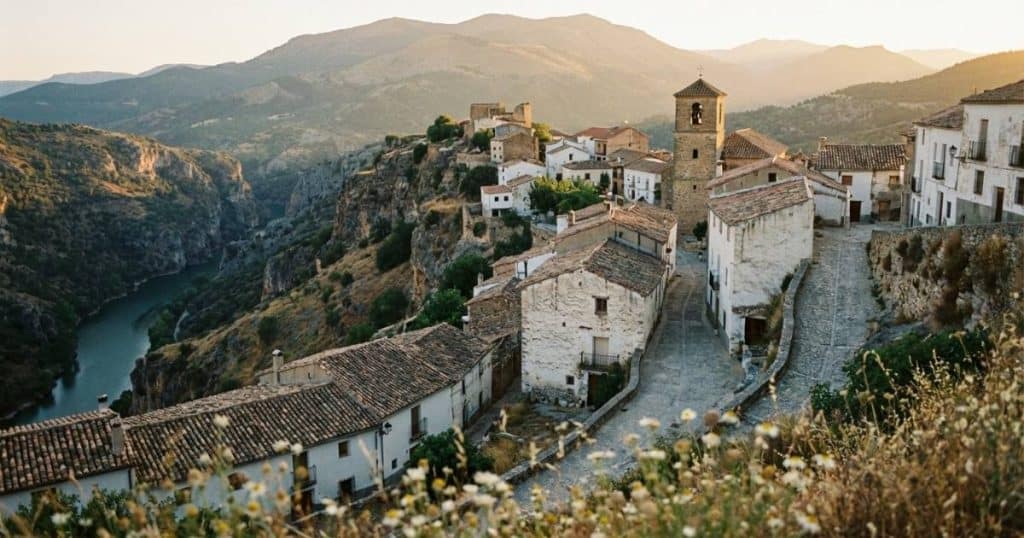
As daylight fades, a village plaza grows quiet. Stone walls hold the warmth of the sun, church bells echo once, and a few neighbors linger on a bench, greeting passersby like old friends. This is a side of Spain that doesn’t rush—and doesn’t ask to be photographed before it’s felt.
While Spain’s cities dazzle with grand museums and famous avenues, the country’s heart often reveals itself far from the crowds. In small villages, history lingers in everyday rituals, landscapes shape daily rhythms, and life unfolds at a pace that invites you to slow down too. These places aren’t just scenic backdrops; they’re lived-in worlds where culture is woven into ordinary moments.
This guide brings together a curated, nationwide selection of the most beautiful villages in Spain—from dramatic clifftop towns to coastal hideaways and medieval hill villages. Each place is chosen not only for its beauty, but for its atmosphere, heritage, and sense of place. You’ll find thoughtful context, practical notes, and gentle guidance, whether you’re traveling as a family, exploring culture more deeply, or simply looking for quieter corners beyond the big cities.
TL;DR • Spain’s most beautiful villages at a glance
Quiet places where Spain’s soul feels closest
Spain’s villages offer something cities rarely can: space to slow down, breathe, and connect with local life. From clifftop towns and mountain hamlets to coastal hideaways, these places reward travelers who value atmosphere as much as landmarks.
- What makes them special: Preserved history, walkable old towns, and landscapes that shape daily life — not staged experiences.
- Who they’re best for: Families looking for calmer days, cultural explorers seeking authenticity, and travelers who enjoy lingering meals and unhurried walks.
- How to approach them: Choose fewer villages, stay longer, and plan travel days realistically — these places are meant to be felt, not rushed through.
Gentle tip: villages often reveal their magic early in the morning or just before sunset, when streets quiet down and daily routines take center stage.

✨ Free travel toolbox
Free London map & travel toolkit
Grab a beautifully organized London travel map plus a mini bundle of planning resources to make future city trips feel calmer and more intentional.
- Key neighborhoods, highlights, and photo-friendly spots
- Simple tools for budgeting, bookings, and navigation
- Designed for busy, tech-savvy travelers and families
No spam, ever — just thoughtful travel emails and resources you can actually use.
What Makes a Village One of the Most Beautiful in Spain?
Beauty in Spain’s villages goes beyond postcard views. It’s shaped by centuries of history, the land itself, and a way of life that values connection and continuity. Many travelers searching for Spain hidden villages or the best small towns Spain has to offer are really looking for places that feel authentic—and memorable long after the trip ends.
History You Can Still Feel
In many villages, history isn’t confined to museums. Medieval street layouts remain intact, Moorish influences appear in arches and tilework, and traditions continue as part of daily life. Old walls still mark where villages once defended themselves, and churches, synagogues, or castles stand as quiet witnesses to layered pasts. Walking these streets feels less like sightseeing and more like stepping into a living timeline.
Landscapes That Shape Daily Life
Spain’s villages are inseparable from their surroundings. Some cling to cliffs above deep river gorges, others nestle into mountain valleys or stretch toward the sea. These landscapes influence everything—from architecture and agriculture to the pace of life itself. In many places, the view you wake up to is the same one generations before you relied on for survival and sustenance.
A Slower, More Human Pace
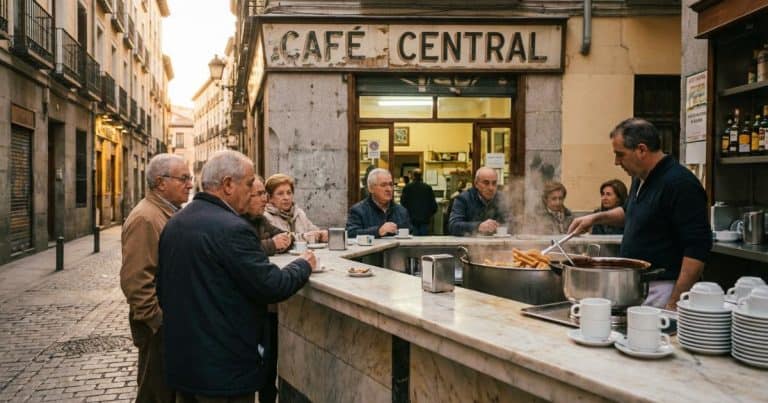
Village life follows its own rhythm. Mornings often begin with coffee at a local bar, where conversation flows as easily as espresso. Evenings bring the paseo—a gentle stroll through the main street or square, shared by families, elders, and children alike. These small rituals create a sense of belonging that visitors can feel, even during a short stay.
Are These Villages Family-Friendly?
Most of Spain’s villages are calm, walkable, and welcoming. Traffic is limited, distances are short, and public spaces are designed for social life. Families often find these settings refreshing: children can move freely, meals are relaxed, and safety feels intuitive rather than enforced.
👉 Trusted travel tools
Helpful links that keep trips smoother and costs in check.
Wise: fair currency exchange
Pay like a local and avoid hidden FX fees when booking trains, stays, and tours.
VisitorsCoverage: flexible cover
Compare travel insurance options that fit your trip length, style, and budget.
Airalo: easy local data
Install an eSIM before you fly so maps, tickets, and messaging work the moment you land.
10 Most Beautiful Villages in Spain to Add to Your Bucket List
Spain’s villages vary widely, yet each offers a distinct sense of place shaped by culture, landscape, and history. Below are ten that capture the country’s quiet magic—each one different, each one unforgettable.
Ronda, Andalusia — Dramatic Beauty Above the Gorge
Ronda rises dramatically above El Tajo gorge, where sheer cliffs split the town in two. Whitewashed houses glow against the rugged landscape, and the air carries the warmth and spirit of Andalusia.
The iconic Puente Nuevo bridge connects the old and new towns, offering views that define Ronda’s identity. At sunset, standing above the gorge as light softens the stone is a moment that stays with you long after you leave.
Despite its dramatic setting, Ronda remains compact and walkable, making it manageable even for families with older children.
Albarracín, Aragón — A Medieval Village Frozen in Time
Albarracín feels like a place paused between centuries. Pink-hued walls curve around the hill, narrow streets twist unpredictably, and the village seems to rise organically from the rock beneath it.
Once an independent taifa kingdom, Albarracín reflects Aragón’s lesser-known heritage, distinct from Spain’s more famous regions. Its preserved medieval character offers a rare glimpse into a quieter, more introspective past.
The village is small and calm, though steep streets mean comfortable walking shoes are essential.
Cadaqués, Catalonia — Where Art Meets the Sea
Bright white houses tumble toward a blue Mediterranean bay, reflecting sunlight in a way that feels almost painterly. Cadaqués has long drawn artists, writers, and dreamers seeking inspiration in its light and solitude.
The village’s artistic legacy is deeply tied to Salvador Dalí, yet its charm lies just as much in everyday moments—boats bobbing gently, conversations drifting across the water, and evenings that feel unhurried.
With a flat waterfront and relaxed atmosphere, Cadaqués suits families looking for a peaceful coastal village experience.
Frigiliana, Andalusia — Whitewashed Streets and Mountain Views
Frigiliana’s narrow lanes are lined with flowers, ceramic steps, and carefully preserved white façades. Set against the foothills of the Sierra de Almijara, the village balances mountain scenery with Andalusian warmth.
Its Moorish roots are visible in the layout and decorative details, telling stories of coexistence and craftsmanship. Wandering here feels gentle and intimate, especially in the quieter hours of the day.
The village is pedestrian-friendly, though some slopes are steep; taking it slow is part of the experience.
Santillana del Mar, Cantabria — Storybook Northern Spain
Cobblestone streets, stone mansions, and wooden balconies give Santillana del Mar a storybook quality. Unlike southern villages, its atmosphere reflects northern Spain’s traditions—greener landscapes, cooler air, and a quieter tone.
Often called “the village of three lies” (it’s neither saintly, flat, nor by the sea), Santillana’s charm lies in its preserved historic center and sense of continuity.
The compact old town is easy to explore on foot, making it especially comfortable for families and slower-paced visits.
Valldemossa, Mallorca — A Mountain Village with Monastic Calm
Tucked into the Tramuntana Mountains, Valldemossa feels hushed and contemplative, wrapped in cool air and green slopes. Stone houses cluster along narrow lanes, and the village seems to breathe more slowly than the coast below.
At its heart stands the historic Royal Charterhouse, a former monastery that has shaped Valldemossa’s identity for centuries. In the early morning or late afternoon, you might hear bells echoing softly through the valley—a simple sound that settles into the landscape and stays there.
Valldemossa’s compact size makes it easy to explore on foot, though cobblestones and gentle inclines call for an unhurried pace.
Aínsa, Aragón — A Perfect Pyrenean Stone Village
Aínsa rises proudly at the edge of the Pyrenees, its honey-colored stone glowing against a backdrop of mountains. The medieval plaza, wide and harmonious, feels like a gathering place designed for conversation rather than crowds.
The village’s well-preserved walls and Romanesque church reflect Aragón’s layered history, while the surrounding region invites exploration—forests, rivers, and trails begin just beyond the old town.
Aínsa works beautifully for travelers who enjoy pairing cultural discovery with time outdoors, especially families seeking space and fresh air.
Zahara de la Sierra, Andalusia — White Village Above a Turquoise Lake
Zahara de la Sierra sits dramatically on a rocky hilltop, its white houses cascading down toward a striking turquoise reservoir below. From nearly every angle, the views feel expansive and unexpected.
Once a strategic stronghold during the Reconquista, Zahara’s castle ruins crown the village, offering a reminder of its defensive past. The contrast between white façades, rugged rock, and shimmering water creates a setting unlike anywhere else in Spain.
The village is small and peaceful, ideal for travelers who appreciate quiet evenings and early mornings.
Besalú, Catalonia — A Village Defined by Its Bridge
Approaching Besalú means crossing its iconic Romanesque bridge, a stone gateway that instantly signals entry into another era. The old town beyond unfolds in narrow streets, arches, and small squares that reward slow exploration.
Besalú is also home to an important Jewish heritage, with one of the best-preserved medieval mikvahs in Europe. When visiting historic quarters, respectful behavior—quiet voices, mindful photography—helps honor the community’s legacy.
The village center is compact and walkable, making it comfortable for travelers of all ages.
Mogarraz, Castilla y León — Faces, Traditions, and Rural Spain
Mogarraz is known for the painted portraits that gaze from its houses—faces of villagers recreated from old photographs, watching over daily life. This unique tradition turns the village itself into a living gallery.
Beyond the portraits, Mogarraz reflects deep rural customs of the Sierra de Francia, where craftsmanship, seasonal rhythms, and community ties remain strong. Time here feels grounded and sincere.
Visitors willing to slow down and observe will find Mogarraz especially rewarding.
🗺️Interactive travel maps
See Your Trip Come Alive on the Map
A peek at how GaiaGazer’s curated travel maps look right inside your Google Maps app—ready to guide you through each city.


1 / 4
How to Visit Spain’s Most Beautiful Villages Without Rushing
Seeing Spain’s villages is less about covering distance and more about giving each place the time it deserves. Thoughtful pacing makes the difference between a blur of stops and a journey that feels meaningful.
Road Trips vs. Public Transport
Many villages are best reached slowly, along scenic roads that reveal the countryside as much as the destination itself. While some villages are accessible by bus or regional train, flexibility often makes travel easier—especially when villages are spread across rural areas.
Planning routes in advance helps reduce stress, but it’s wise to leave room for detours and longer stays when a place resonates.
How Many Villages to Combine in One Trip
Avoid treating villages like a checklist. For most travelers, two to three villages over several days allows time to explore, rest, and absorb local life.
Families often find that fewer stops lead to calmer, more enjoyable days, while general travelers benefit from lingering meals and unplanned moments.
Best Regions to Group Together
Certain regions naturally pair well. Andalusia’s white villages connect easily with one another, while Catalonia offers both inland medieval towns and coastal settlements. Northern Spain suits travelers seeking greenery and cooler air, and Aragón’s villages align beautifully with mountain landscapes.
Suggested Village Routes for a Slow, Meaningful Trip
Spain’s villages are at their best when they’re experienced slowly, with time to notice daily rhythms rather than rushing from one highlight to the next. Instead of hopping across the country, grouping villages by region allows you to travel more gently, reduce transit time, and connect more deeply with local culture.
The routes below are designed to feel realistic, flexible, and human — whether you’re traveling as a family, a couple, or a curious cultural explorer.
Andalusia’s White Villages (3–5 Days)
This route is ideal if you’re drawn to bright light, Moorish history, and dramatic landscapes. Andalusia’s white villages are compact and full of character, shaped by centuries of life under the southern sun.
A relaxed loop might include Ronda, Frigiliana, and Zahara de la Sierra, with scenic drives through olive groves and mountain roads connecting them. Mornings are best spent wandering quiet streets, while afternoons invite long lunches and shaded viewpoints. For families, this region works well when you limit yourself to one village per day and build in downtime during the warmer hours.
This route suits travelers who enjoy visual beauty paired with deep historical layers — Roman, Islamic, and Andalusian traditions all intersect here.
Catalonia’s Coast & Medieval Heartlands (3–4 Days)
Catalonia offers a graceful balance between sea and stone. A route combining Cadaqués, Besalú, and Rupit (from the memorable mentions) brings together artistic coastal energy and well-preserved medieval towns inland.
Start by the Mediterranean, where mornings are slow and light-filled, then gradually move inland to villages defined by bridges, cloisters, and old market squares. Distances are short, making this an easy region to explore without long drives. It’s especially appealing for travelers who want cultural depth without sacrificing comfort or variety.
Families often appreciate Catalonia’s clear signage, excellent food culture, and walkable village centers.
Aragón & the Pyrenees Stone Villages (4–6 Days)
For travelers seeking a quieter, less-touristed side of Spain, Aragón delivers atmosphere in abundance. Villages like Albarracín and Aínsa feel deeply rooted in place, with stone architecture that blends into the surrounding hills and mountains.
This route works best when treated as a true slow-travel experience. Choose one or two bases and explore outward, allowing time for short walks, viewpoints, and unplanned pauses. The Pyrenean backdrop adds a sense of scale and calm, and summer temperatures here are often more comfortable than in southern Spain.
This region is particularly rewarding for cultural explorers who enjoy medieval history, natural landscapes, and a strong sense of local identity.
Northern Spain’s Green Storybook Villages (4–7 Days)
Northern Spain feels worlds apart from the sun-soaked south. Cooler air, lush hills, and stone-built villages define regions like Cantabria and Asturias. Villages such as Santillana del Mar and Cudillero lend themselves to a slower, nature-connected journey.
This route is best for travelers who enjoy walking, local food traditions, and a quieter pace. Rain is more common, but it often adds to the atmosphere rather than detracting from it. Families appreciate the open spaces, while couples and solo travelers often find the north especially reflective and grounding.
Because distances can be slightly longer, this route benefits from extra days and fewer stops — letting each village unfold at its own rhythm.
A sample 7-day Spain village itinerary (slow & balanced)
This sample itinerary is designed for travelers who want depth over distance. It doesn’t try to “cover Spain” — instead, it shows how a single week can feel rich, spacious, and deeply rewarding when villages are grouped thoughtfully.
You can adapt the pacing based on your travel style, but the structure below works well for families, couples, and first-time visitors who want meaningful variety without constant packing.
Open all days (toggle)
Arrive & settle into your base
Arrive in your chosen regional base in the afternoon and keep the evening intentionally light. Use this first day to walk the neighborhood, adjust to the pace, and enjoy a relaxed dinner close to where you’re staying.
This is the day to resist overplanning. A gentle arrival sets the tone for the entire week and helps everyone — especially children — feel grounded.
First village exploration (half-day pace)
Visit your first nearby village in the morning, when streets are quieter and temperatures are milder. Focus on one or two highlights only: a viewpoint, a historic square, or a short walking loop through the old town.
Return to your base by mid-afternoon. Leave the evening open for rest, a simple meal, or a sunset stroll. The goal is to enjoy the village without exhausting it — or yourself.
Second village with a longer stay
Choose a village that invites lingering. This might be a place with cafés overlooking a gorge, a medieval plaza with space to sit, or a coastal village where the rhythm is naturally slow.
Plan for a longer lunch, time to wander without a map, and perhaps a small local shop or gallery visit. For families, this is a good day to include a park, open square, or ice-cream stop.
Rest, nature, or a short scenic drive
Instead of adding another village, give yourself a pause. This might mean:
• A scenic drive through the countryside
• A short nature walk or viewpoint stop
• A late breakfast followed by a free afternoon
These quieter days often become the most memorable, especially for cultural explorers who enjoy observing daily life rather than checking off sights.
Third village or regional highlight
With energy restored, visit another village slightly farther afield. This is a good day for a village with a strong visual or cultural contrast — for example, moving from mountains to coast, or from whitewashed streets to stone-built medieval lanes.
Keep expectations realistic: one village, one main walk, one sit-down moment.
Revisit a favorite or explore slowly
Return to the village that stayed with you the most — or explore a lesser-known nearby town you discovered along the way. Familiarity adds a new layer of comfort, and revisiting places often reveals details you missed the first time.
This flexibility is especially valuable for families, as it allows you to follow energy levels rather than a fixed plan.
Departure or gentle transition
Use your final morning for a calm breakfast and a short walk before moving on. If you’re continuing to another region, aim for a midday departure rather than an early rush.
Leaving slowly helps the experience feel complete rather than abrupt.
Tip: You can open individual days, or use “Open all days (toggle)” to read the full week in one smooth scroll.
Where to Base Yourself to Explore Spain’s Villages Easily
Choosing the right base can transform your trip. Instead of moving accommodations every night, staying in one well-located town or small city allows you to explore nearby villages without constant repacking.
Here’s how to think about bases, region by region.
Andalusia: Small Cities Near the White Villages
For villages like Ronda, Frigiliana, and Zahara de la Sierra, a small Andalusian city or large town nearby often works best. Look for places with easy road access, parking options, and a calm evening atmosphere.
This approach gives families space and amenities, while still keeping village day trips short and manageable.
Catalonia: One Coastal or Inland Hub
Catalonia works well with a single base that connects both coast and countryside. From there, villages like Cadaqués or Besalú become easy day trips without sacrificing comfort.
Choose a base that feels lived-in rather than tourist-heavy — evening strolls and local dining are part of the experience here.
Aragón & the Pyrenees: One or Two Quiet Anchors
In Aragón, fewer bases are better. Select one or two towns close to Albarracín or Aínsa and explore outward. Distances are manageable, but roads can be slower, so minimizing daily travel keeps the trip relaxed.
This region rewards travelers who enjoy early mornings, quiet evenings, and a strong connection to landscape.
Northern Spain: Fewer Stops, Longer Stays
Northern villages like Santillana del Mar benefit from longer stays. Choose a base that allows flexibility with weather, and don’t be afraid to stay put for multiple nights.
This slower rhythm suits travelers who value atmosphere, local food, and walking over constant movement.
A calmer way to choose where to stay
When exploring Spain’s villages, the best accommodation choice is rarely the most central or the most photographed — it’s the one that supports a slower, easier rhythm at the start and end of each day.
Many travelers find it helpful to base themselves in a slightly larger town or small city near the villages they want to explore. This often means easier parking, better evening dining, and more flexibility if plans change — especially when traveling with children or over multiple days.
- Easy arrival: simple parking or a short walk with bags.
- Evening comfort: relaxed dinner options nearby, even on quieter nights.
- Room to reset: enough space to slow down between village days.
Platforms like Booking.com and Hotels.com are useful for comparing village inns, family-run guesthouses, and flexible stays with free cancellation. Expedia works well if you’re road-tripping and want to bundle accommodation with transport, while Trip.com can be helpful for cross-checking prices and managing bookings across regions.
Gentle tip: prioritize location and ease over perfection. A quiet night’s sleep, simple parking access, and a relaxed breakfast often matter more than staying directly inside a historic village center.
Best Time of Year to Visit These Spanish Villages
Timing shapes the experience as much as location. Each season brings a different rhythm to village life.
Spring and Fall — The Sweet Spot
Spring and fall offer comfortable temperatures, blooming landscapes, and fewer visitors. Local festivals often take place during these months, adding cultural texture without overwhelming crowds.
Summer — What to Expect
Summer brings warmth and long daylight hours. Southern villages can be hot, especially midday, while northern regions and mountain villages remain cooler and more refreshing.
Winter — Quiet, Atmospheric, and Local
In winter, villages feel inward-looking and authentic. While some attractions may keep shorter hours, this season offers a rare glimpse into everyday life, free from tourism’s buzz.
Memorable Mentions — More Beautiful Villages Worth Knowing
- Mijas (Andalusia): A hillside white village overlooking the Costa del Sol, blending tradition with sweeping coastal views.
- Cudillero (Asturias): Colorful houses stacked above a small harbor, shaped by fishing heritage and northern charm.
- Rupit (Catalonia): A stone village perched above cliffs and forests, reached by a hanging footbridge.
- Pedraza (Castilla y León): A walled medieval town known for candlelit evenings and quiet dignity.
✨Playful trip inspiration
Not Sure Where to Go Next?
Take a quick, low-pressure travel quiz and let GaiaGazer match you with destinations, travel styles, and ideas that actually fit your energy, budget, and season of life.
- Fun, bite-sized questions—no sign-up required to play.
- Results tailored for families, couples, and solo explorers.
- Perfect for sparking new trip ideas when you’re stuck deciding.
Conclusion — Why Spain’s Villages Stay With You Long After You Leave
Spain’s villages linger in memory because they invite connection—to history, to landscape, and to a gentler way of moving through the world. They reward patience, curiosity, and respect, offering experiences that feel personal rather than performative.
Exploring the most beautiful villages in Spain isn’t about seeing everything; it’s about feeling present where you are. If these places sparked your curiosity, consider saving this guide for later or exploring more Spain travel stories to continue the journey—slowly, and with intention.
Frequently Asked Questions About Spain’s Most Beautiful Villages
A few calm, practical answers to the questions travelers often ask when planning a village-focused Spain itinerary.
How do I choose which villages in Spain are worth visiting for my trip?
Start with your “shape” of travel: coast, mountains, medieval stone towns, or white villages. Then pick 2–4 villages in one region (instead of scattering them across Spain) and build in time for slow meals, viewpoints, and small museums. If you’re traveling with kids, prioritize walkable centers and shorter driving days.
Do I need a car to visit Spain’s most beautiful villages?
A car makes village-hopping easier, especially in rural areas where buses are limited or infrequent. That said, you can still visit some villages by combining trains to a nearby city with a short bus or taxi connection—just plan for less flexibility. For comparing train and bus options across regions, platforms like Omio can help you see routes in one place.
How many villages should I plan in a week without feeling rushed?
A gentle pace is usually 2–4 villages in one week, depending on driving time and how much you like to linger. If you’re doing day trips from a base, you can add one or two more, but keep at least a few “open” afternoons for slow wandering. The goal is to leave space for village life, not just village photos.
Where should I base myself if I want to see multiple villages easily?
Choose a base city or larger town near the region you’re exploring—think “hub” rather than “perfect postcard.” For example, a hub near the white villages of Andalusia or a gateway town in Aragón can reduce daily driving and make evenings calmer. If you’re traveling as a family, a stable base with easy parking and simple meal options can make the whole trip feel lighter.
Are Spain’s villages stroller-friendly and easy to walk?
Many village centers are compact, but older streets can be steep, cobbled, and full of steps. For families with strollers, a lightweight, foldable option helps—and a baby carrier can be a lifesaver in hilltop villages. If mobility is a concern, look for villages with flatter waterfronts or wider historic centers and plan shorter routes with plenty of breaks.
What’s respectful etiquette to keep in mind in small Spanish villages?
Keep voices low in quiet lanes, ask before photographing people, and be especially mindful around religious sites and historic Jewish quarters. A simple “hola” or “buenos días” goes a long way, and dressing a bit more modestly can feel respectful in smaller communities. When in doubt, follow the local pace and tone—you’ll usually be met with warmth.
How do I manage costs when I’m stopping in lots of cafés and small shops?
Village days often include small, frequent spending—coffee, pastries, local ceramics, market snacks—so a simple tracker helps you stay relaxed. Apps like TravelSpend make it easy to log as you go, and using Wise can help reduce hidden conversion fees if you’re paying with a card from outside the eurozone. The goal isn’t restriction—it’s clarity.
What’s the best season for visiting Spain’s most beautiful villages?
Spring and fall are usually the easiest: mild temperatures, softer light, and fewer crowds in popular villages. Summer can be wonderful if you start early and plan a long midday break—especially in southern regions where afternoons get hot. Winter is quieter and often more local-feeling, but plan around shorter daylight and occasional reduced hours.
Your Journey, Beautifully Organized
Free AI Itinerary Builder
A gentle, fast way to shape your perfect trip — tailored routes, family-friendly pacing, and cultural picks in seconds.
- Instant day-by-day plans
- Adapts to your style & timing
- Save, edit, and refine anytime
Premium Curated Trips
Prefer a fully handcrafted experience? Let our travel designers create a seamless, beautifully balanced itinerary for you.
- Expert human planning
- Handpicked stays & experiences
- Flexible support levels

Created by a travel-obsessed couple with years of real-world trips


📌 Love cultural travel? Explore more ideas on Pinterest →




Comments