Introduction — Tasting the Soul of Madrid
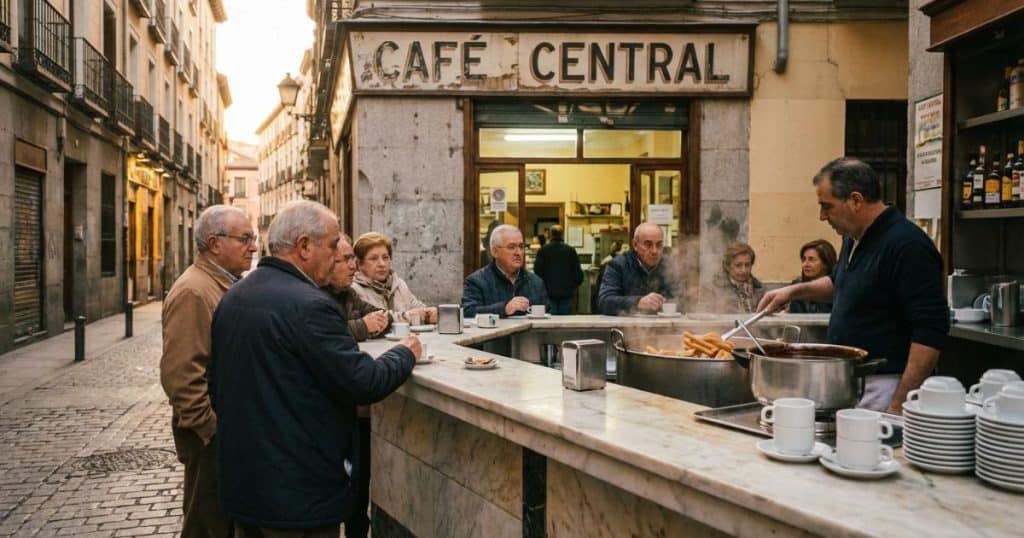
Morning arrives softly in Madrid. Café doors creak open. Porcelain cups clink against saucers. Somewhere nearby, oil warms and churros begin to sizzle, filling the street with a comforting, unmistakable scent. This is how the city wakes up — not loudly, not theatrically, but with quiet confidence and ritual.
Madrid is Spain’s culinary heart not because it chases trends, but because it protects tradition. Here, food is not designed to impress strangers. It’s designed to nourish daily life. Recipes are passed down, not reinvented. Bars don’t need menus to explain themselves. Locals already know what they’re here for.
This Madrid food guide is built to help you step into that rhythm with ease. You’ll learn what to eat in Madrid, where to try the city’s most iconic dishes, and how to approach meals like a local — without feeling rushed, awkward, or out of place. Along the way, you’ll find cultural tips, gentle guidance for first-time visitors, and reassuring notes for families traveling together.
Madrid’s food scene doesn’t demand expertise. It rewards curiosity, patience, and a willingness to slow down. Once you understand that, the city opens up — one plate at a time.
TL;DR • Madrid food at a glance
Eat like a local in Spain’s culinary heart
Madrid’s food scene is rooted in tradition, simplicity, and daily ritual. Knowing what to eat, when to eat, and how locals approach meals makes all the difference — especially for first-time visitors and families.
- What to eat: Focus on classics like churros con chocolate, tortilla española, cocido madrileño, bocadillos, and simple tapas.
- How Madrid eats: Meals run late, portions are meant to be shared, and lingering at the table is part of the culture — not an exception.
- Where to go: Neighborhoods matter more than restaurant hype — La Latina, Malasaña, Salamanca, and Lavapiés each offer a distinct feel.
- Good to know: Markets are great for tasting, tipping is modest, and most places are welcoming to kids with flexible pacing.
Gentle reminder: Madrid rewards patience. Follow local meal times, order simply, and let the city’s food culture reveal itself one plate at a time.

✨ Free travel toolbox
Free London map & travel toolkit
Grab a beautifully organized London travel map plus a mini bundle of planning resources to make future city trips feel calmer and more intentional.
- Key neighborhoods, highlights, and photo-friendly spots
- Simple tools for budgeting, bookings, and navigation
- Designed for busy, tech-savvy travelers and families
No spam, ever — just thoughtful travel emails and resources you can actually use.
Understanding Madrid’s Food Culture Before You Eat
Why Madrid’s Cuisine Is Simple — and Why That Matters
Madrid’s food is rooted in restraint. Dishes rely on a few strong ingredients, careful technique, and generations of repetition. There’s very little fusion here, and that’s intentional. Preservation matters more than novelty.
You’ll notice this immediately at the bar. A small crowd gathers. No one studies a menu. Someone orders without looking, and a plate appears almost instantly. This micro-moment — standing shoulder to shoulder, trusting the kitchen — captures Madrid’s food culture perfectly. The simplicity isn’t basic. It’s confident.
For travelers, this means expectations need adjusting. You’re not chasing the “new.” You’re tasting what’s been refined over decades. When you let go of the idea that food must surprise you, Madrid’s cuisine begins to make sense.
Meal Times in Madrid (And How to Plan Around Them)
Madrid keeps its own clock, and understanding it will save you frustration.
Breakfast is light and early. Many locals grab coffee and a small pastry, or nothing at all. Mid-morning brings almuerzo, a quick snack around 10:30–11:30 a.m., often a bocadillo or coffee.
The main meal, comida, starts late — typically between 2:00 and 3:30 p.m. This is when traditional restaurants are busiest. Dinner, cena, rarely begins before 8:30 p.m., and often much later.
For families, flexibility helps. Aim for comida rather than late dinners, and choose casual spots where pacing is relaxed. Many kitchens are happy to accommodate children earlier in the evening, especially outside peak hours. Planning around these rhythms turns meals into a pleasure instead of a logistical challenge.
Tipping, Ordering, and Eating Like a Local
Tipping in Madrid is modest. Service is included, and no one expects large extras. Rounding up or leaving a few coins is appreciated, not required.
At bars, etiquette is simple. Order at the counter. Eat standing if space is tight. Plates are shared freely, and conversation flows easily between bites. Don’t rush. Lingering is normal.
If you’re unsure what to order, ask what’s good today. Trust the recommendation. Confidence comes quickly once you realize there’s no wrong choice — only different traditions.
How to Order Like a Local in Madrid
Ordering food in Madrid is refreshingly straightforward once you let go of formalities. Many traditional places are designed for quick, confident ordering, especially bars where locals eat standing up. Menus may be brief, handwritten, or sometimes not displayed at all — and that’s normal.
At the bar, it’s common to order by simply catching the server’s attention and stating what you want. Pointing is acceptable, and so is asking a quick question. There’s no expectation to linger over decisions, and politeness matters more than perfect Spanish.
Sharing is also part of the rhythm. Plates are often placed in the center, with everyone helping themselves. Ordering a few items at a time — then adding more if needed — feels more natural than placing one large order upfront.
Payment is typically handled at the end, and splitting bills isn’t always automatic. If you’re dining as a group or family, keeping it simple helps everything move smoothly. Above all, approach the experience with ease. Madrid’s food culture rewards calm confidence, not ceremony.
Traditional Food in Madrid: What Sets It Apart From the Rest of Spain
Madrid’s food culture often surprises travelers who expect bold regional specialties or dramatic culinary twists. Instead, the city offers something quieter — and more revealing. Traditional food in Madrid is defined by preservation rather than reinvention, shaped by centuries of migration, royal influence, and everyday practicality.
Unlike coastal regions that lean heavily on seafood or areas known for strong regional identities, Madrid’s cuisine pulls from across Spain and refines it into comforting, dependable classics. Dishes here are built on few ingredients, careful technique, and repetition done well. What matters most is consistency — the same plate served the same way, year after year.
There’s also a strong social dimension. Many of Madrid’s most iconic foods were designed to be shared, eaten standing up, or enjoyed slowly over conversation. Meals aren’t performances; they’re part of daily life. This makes the city especially approachable for visitors who want to understand Spanish culture without decoding complex menus or trends.
For families and first-time travelers, this simplicity is a gift. You don’t need insider knowledge to eat well in Madrid — just a willingness to trust tradition.
👉 Trusted travel tools
Helpful links that keep trips smoother and costs in check.
Wise: fair currency exchange
Pay like a local and avoid hidden FX fees when booking trains, stays, and tours.
VisitorsCoverage: flexible cover
Compare travel insurance options that fit your trip length, style, and budget.
Airalo: easy local data
Install an eSIM before you fly so maps, tickets, and messaging work the moment you land.
What to Eat in Madrid — The Essential Dishes
Churros con Chocolate — Madrid’s Most Beloved Breakfast
Churros in Madrid are crisp, lightly salted, and made for dipping. The chocolate is thick, dark, and unapologetically rich. Together, they form one of the city’s most comforting rituals.
Locals eat churros late at night after an evening out or early in the morning as a gentle start to the day. For families, mornings are ideal — less crowded, calmer, and easier to enjoy at a slower pace. It’s indulgent, yes, but also deeply familiar to anyone who grew up here.
Bocadillo de Calamares — A Humble Sandwich With Big History
Few foods are as closely tied to Madrid as the bocadillo de calamares. Fried calamari, tucked into a crusty roll, eaten standing near Plaza Mayor. No sauces. No garnish.
Its popularity grew from practicality — affordable, filling, fast — and never left. The sandwich remains iconic because it hasn’t changed. When you eat one, you’re sharing a moment that has fed generations of Madrileños in the same simple way.
Cocido Madrileño — The Dish That Defines the City
Cocido is Madrid in a bowl — or rather, in several. This slow-cooked stew is traditionally served in courses: first the broth, then chickpeas and vegetables, and finally the meats.
It’s hearty, deliberate, and meant to be savored. Cocido is most common in colder months, when the city slows down and leans into comfort. Restaurants often serve it on specific days, usually at lunchtime. For families, it’s filling and shareable, though portions can be generous.
Tortilla Española — Simple, Debated, Everywhere
Potatoes, eggs, olive oil — and possibly onions. The onion debate is real, but deeply personal. Both versions are traditional.
A good tortilla is tender inside, not dry. It should feel substantial without being heavy. You’ll find it everywhere, from bars to bakeries, and it works just as well for breakfast as it does for a mid-afternoon snack. It’s one of Madrid’s most reliable, comforting foods.
Callos a la Madrileña — For Adventurous Eaters
Callos is a slow-simmered tripe stew with chorizo and morcilla. It’s rich, spicy, and unapologetically bold.
This dish divides opinion, even among locals. Those who love it adore its depth and warmth. Others skip it entirely. If you enjoy traditional, rustic flavors, it’s worth trying at least once — especially in winter. If not, Madrid offers plenty of alternatives without judgment.
Tapas Classics You’ll See Everywhere
Tapas are small, familiar, and endlessly satisfying. You’ll encounter:
- Croquetas: Creamy on the inside, crisp outside, often filled with ham or chicken.
- Patatas bravas: Fried potatoes with a mildly spicy sauce. Comfort food, Madrid-style.
- Jamón ibérico: Thinly sliced cured ham, nutty and delicate.
- Calamari, olives, anchovies: Salty, briny staples that pair perfectly with conversation.
None are flashy. All are dependable.
What to Eat in Madrid in Winter
Cooler months are when Madrid’s heartiest dishes shine. Winter food here is warming, filling, and deeply tied to the rhythm of local life.
Cocido madrileño is the clear centerpiece — a slow-cooked stew served in stages that turns lunch into a lingering ritual. You’ll also notice more stewed meats, braised vegetables, and soups appearing on menus, especially in traditional taverns.
Winter is also when long lunches feel most natural. Locals take their time, settle in, and embrace heavier meals without rushing. For visitors, this is the season to lean into Madrid’s slower pace and let food anchor the day.
What to Eat in Madrid in Summer
Summer in Madrid calls for a lighter touch. As temperatures rise, menus adapt quietly rather than dramatically.
Cold soups and refreshing starters become more common, and tapas-style meals — small plates shared over conversation — feel especially appealing. Simple grilled dishes, cured meats, and salads take center stage, often paired with longer evening meals once the heat softens.
In summer, timing matters more than choice. Eating later, choosing shaded terraces, and favoring smaller portions helps meals feel enjoyable rather than heavy. For families, earlier lunches and relaxed market stops tend to work best during warmer days.
Seasonal eating in Madrid isn’t about novelty. It’s about adjusting gently — just enough to stay comfortable while keeping tradition intact.
Where to Eat in Madrid — By Neighborhood
La Latina — Traditional Taverns and Lively Tapas Streets
La Latina feels like Madrid after work. Narrow streets fill with voices, plates move quickly, and the atmosphere is relaxed but vibrant. It’s ideal for wandering in the evening, sharing small dishes, and letting the night unfold naturally.
This neighborhood rewards curiosity. Step into a bar because it feels right, not because it’s famous. The best meals here are often unplanned.
Malasaña — Casual, Modern, and Youthful
Malasaña blends tradition with creativity. The energy is younger, the dining more informal, and the pace forgiving. Cafés open early, kitchens adapt easily, and meals feel flexible rather than ceremonial.
For families, earlier hours work well here. It’s a good place to ease into Madrid’s food scene without pressure, especially if you prefer relaxed settings and straightforward menus.
Salamanca — Polished Dining and Classic Elegance
Salamanca is refined and composed. Dining here leans toward classic techniques, high-quality ingredients, and quieter atmospheres.
It’s worth the splurge when you want a more formal experience or a slower, attentive meal. Portions are generous, service is steady, and the tone is calm. Not every night calls for Salamanca, but some evenings benefit from its elegance.
Lavapiés — Global Influences and Local Energy
Lavapiés reflects Madrid’s multicultural side. The food scene includes international influences alongside traditional Spanish bars, creating a layered, lived-in atmosphere.
Approach this neighborhood with respect and openness. The diversity here isn’t a trend — it’s daily life. Dining in Lavapiés offers a broader view of Madrid today, shaped by many cultures sharing the same streets and tables.
Madrid’s Food Markets — Where Locals Actually Eat
Madrid’s markets are not food courts in disguise. They are neighborhood anchors — places to shop, eat, talk, and pause between daily routines. Some are polished and famous. Others are practical and quietly essential. Knowing which is which helps you experience them on the right terms.
Mercado de San Miguel — How to Enjoy It Without the Crowds
Mercado de San Miguel is beautiful, central, and busy. It’s also one of the most visited food spots in the city, which means expectations matter.
This market works best as a tasting stop, not a full meal. Portions are small, prices are higher, and seating is limited. To enjoy it without the overwhelm, arrive early — late morning on a weekday is ideal — or stop briefly in the early afternoon before dinner crowds gather.
Treat it like a culinary gallery. Share a few bites, observe the rhythm, then move on. When approached this way, it becomes a pleasant introduction rather than a stressful experience.
Mercado de la Cebada — A More Local Experience
Mercado de la Cebada feels lived-in. Vendors greet regulars by name. Shoppers linger. Meals unfold slowly.
This is everyday Madrid at work, especially around midday when locals stop in for lunch or groceries. The atmosphere is relaxed and unpretentious, making it a strong choice for families. Kitchens here cater to real schedules, not sightseeing itineraries.
Arrive around lunchtime, choose a stall that looks busy, and sit down without rushing. It’s not curated, and that’s exactly the point.
Mercado de Antón Martín — Modern, Creative, and Compact
Mercado de Antón Martín sits comfortably between tradition and innovation. It’s smaller than other markets, easier to navigate, and filled with thoughtful food concepts alongside classic stalls.
This market works well as a break between sightseeing stops. Portions are manageable, options are varied, and the pace feels balanced. You can sample something familiar or try a new combination without committing to a long meal.
It’s especially appealing for travelers who want variety without crowds or confusion.
🗺️Interactive travel maps
See Your Trip Come Alive on the Map
A peek at how GaiaGazer’s curated travel maps look right inside your Google Maps app—ready to guide you through each city.


1 / 4
Sweet Treats, Coffee, and After-Meal Traditions
Madrid’s food culture doesn’t end with savory dishes. Desserts, coffee, and the moments that follow meals carry just as much meaning — often more.
Classic Pastries and Bakeries to Look For
Bakeries in Madrid favor tradition over display. Look for simple counters and steady foot traffic.
- Napolitanas are flaky pastries, often filled with chocolate or cream.
- Ensaimadas are soft, coiled pastries with a gentle sweetness.
- Rosquillas are ring-shaped cakes, sometimes glazed, sometimes plain.
If you’re unsure what to order, asking for “una napolitana de chocolate” or simply pointing works perfectly. Bakeries are informal and welcoming, and there’s no pressure to know the language to enjoy the food.
Coffee Culture in Madrid (What to Order)
Coffee orders in Madrid are short and specific.
A café solo is a straight espresso.
A cortado is espresso with a small amount of milk.
A café con leche is equal parts coffee and milk, typically enjoyed in the morning.
Milk preferences matter, so stating what you want upfront helps. Ordering is quick, standing at the bar is normal, and lingering is optional. Coffee here is about rhythm, not ritual.
Sobremesa — The Art of Lingering at the Table
Sobremesa is the time spent talking after a meal — no food, no rush, just conversation.
This tradition reflects how Madrid values connection over efficiency. Meals are not boxes to check. They’re spaces to inhabit. Participating in sobremesa, even briefly, changes how the city feels. It invites you to slow down and be present, which often becomes the most memorable part of the experience.
Food Experiences Beyond Restaurants
Sometimes, stepping slightly outside the everyday routine deepens understanding — especially when time is limited.
Food Tours — When They’re Worth It
Food tours can be valuable for first-time visitors or travelers with short stays. They offer context, orientation, and confidence in a city where choices can feel endless.
A quality tour focuses on local traditions rather than novelty. Small groups matter. So does storytelling — not just tasting. If a tour explains why a dish exists and where it fits culturally, it’s doing its job.
Cooking Classes and Hands-On Experiences
Cooking classes suit cultural explorers who enjoy learning by doing. They offer insight into ingredients, techniques, and kitchen rhythms that aren’t obvious from menus alone.
For families, suitability depends on structure. Some classes welcome children and adapt pacing, while others are better for adults or older teens. When chosen thoughtfully, these experiences create lasting connections to the food beyond the trip itself.
Optional experience
Thinking about a food tour in Madrid?
Food tours aren’t essential to eating well in Madrid — the city rewards curiosity and patience on its own. But for first-time visitors, short stays, or travelers who enjoy context alongside cuisine, a well-designed food experience can add clarity and confidence early in a trip.
The most worthwhile experiences focus on traditional neighborhoods, keep groups small, and prioritize storytelling over spectacle. They work best as an introduction — helping you recognize dishes, understand ordering customs, and spot quality for yourself later on.
Below are a few carefully selected Madrid food and culture experiences that align with a slower, more local-first approach. Think of them as a helpful starting point, not a requirement.
Practical Tips for Food Lovers Visiting Madrid
Madrid’s food culture is welcoming, but a little preparation helps everything flow more smoothly.
Dietary Needs and Food Allergies in Spain
Gluten-free awareness has improved across Spain, though communication still matters. Saying “sin gluten” is widely understood. Vegetarians will find options, but traditional menus often center meat, so flexibility helps.
Useful phrases include:
- “Soy vegetariano/a” (I am vegetarian)
- “Tengo alergia a…” (I have an allergy to…)
Being clear and polite goes a long way.
Budget Expectations — What Meals Really Cost
Madrid offers strong value across the board. Casual meals are accessible, and even sit-down dining often feels reasonable for the quality and portions.
Rather than focusing on exact prices, plan for variety. Mix simple breakfasts, hearty lunches, and lighter dinners. This approach keeps both budgets and energy balanced.
Eating With Kids in Madrid
Children are genuinely welcome in Madrid’s dining culture. Highchairs are common, and staff are patient.
Earlier meal times work best, especially for dinner. Dishes like tortilla, croquetas, and simple grilled items are reliable choices. Flexibility is expected, and families rarely feel out of place.
✨Playful trip inspiration
Not Sure Where to Go Next?
Take a quick, low-pressure travel quiz and let GaiaGazer match you with destinations, travel styles, and ideas that actually fit your energy, budget, and season of life.
- Fun, bite-sized questions—no sign-up required to play.
- Results tailored for families, couples, and solo explorers.
- Perfect for sparking new trip ideas when you’re stuck deciding.
Memorable Mentions — Small Food Moments Worth Noticing
Some of Madrid’s most meaningful food experiences are easy to miss.
Standing-room bars where plates pile up as conversations grow louder.
A free tapa arriving with a drink, depending on the bar and moment.
Late-night bakeries still warm from the oven.
Seasonal dishes that appear quietly, then disappear again.
Notice these moments. They’re fleeting, and that’s what makes them special.
Conclusion — Let Madrid Feed More Than Your Appetite
Madrid’s food tells a story of patience, pride, and everyday care. It reflects how the city lives — slowly, deliberately, and together. When you eat here with openness, meals become more than nourishment. They become connection.
This Madrid food guide is an invitation to approach the table with curiosity rather than urgency. To taste traditions without rushing to judge them. To let meals anchor your days and conversations shape your evenings.
If you’re planning a visit, save this guide for later or explore more Madrid travel insights to build a journey that feels as rich as the food itself.
Frequently Asked Questions About Food in Madrid
Clear, practical answers to common questions travelers have when navigating Madrid’s food culture for the first time.
Is Madrid a good destination for food-focused travelers?
Yes — Madrid is one of Spain’s most rewarding cities for food lovers who value tradition and everyday culture. Rather than chasing trends, the city excels at simple, time-tested dishes served consistently well, making it especially appealing for travelers who want to eat like locals rather than hunt for novelty.
What’s the best way to avoid tourist traps when eating in Madrid?
Focus on neighborhoods rather than famous restaurant names, and pay attention to who’s eating inside. Places filled with locals during normal meal hours tend to offer better value and more authentic experiences than venues clustered tightly around major landmarks.
Do I need to speak Spanish to order food confidently in Madrid?
No — many places are accustomed to visitors, and simple gestures or pointing work just fine. Learning a few basics like “por favor,” “gracias,” or “la cuenta” is appreciated, but warmth and patience matter far more than perfect pronunciation.
Are food markets in Madrid meant for full meals or quick bites?
It depends on the market. Some are best enjoyed as tasting stops with small plates, while others function as true neighborhood lunch spots. Arriving around midday and observing how locals use the space usually gives you a clear cue on how to approach it.
Is Madrid an easy city for families who plan around meals?
Yes — Madrid is generally very welcoming to children, especially at lunchtime. Choosing earlier dining hours, ordering shared dishes, and favoring relaxed neighborhoods makes eating out with kids feel natural rather than stressful.
Your Journey, Beautifully Organized
Free AI Itinerary Builder
A gentle, fast way to shape your perfect trip — tailored routes, family-friendly pacing, and cultural picks in seconds.
- Instant day-by-day plans
- Adapts to your style & timing
- Save, edit, and refine anytime
Premium Curated Trips
Prefer a fully handcrafted experience? Let our travel designers create a seamless, beautifully balanced itinerary for you.
- Expert human planning
- Handpicked stays & experiences
- Flexible support levels

Created by a travel-obsessed couple with years of real-world trips


📌 Love cultural travel? Explore more ideas on Pinterest →



Comments