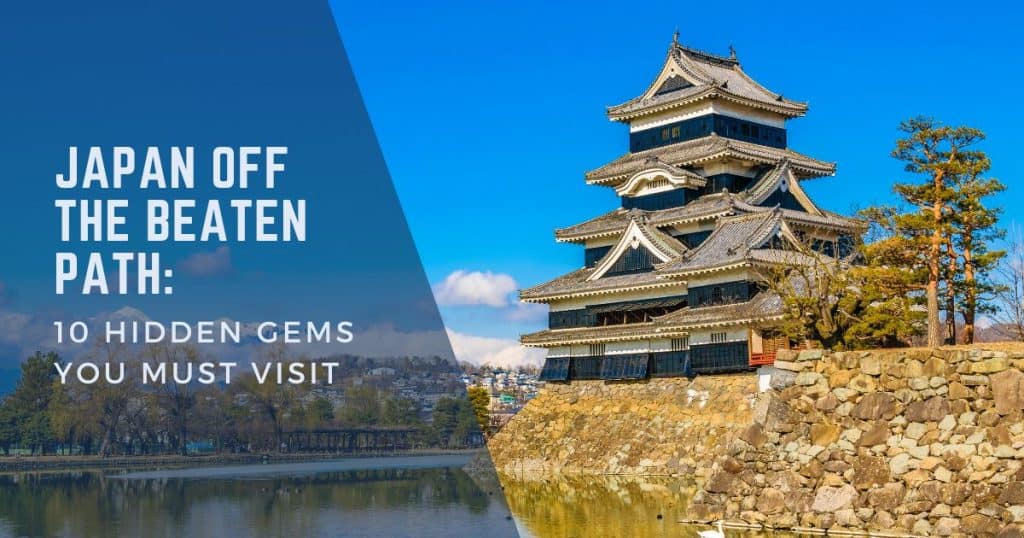
Introduction: Discover a Different Side of Japan
Japan is a country that often conjures up images of neon-lit Tokyo, the serene temples of Kyoto, and the bustling streets of Osaka. But beyond these well-trodden tourist hotspots lies a Japan that few travelers experience—one filled with hidden gems, untouched landscapes, and cultural treasures waiting to be explored.
If you’re looking for something beyond the usual, this guide will take you through 10 breathtaking yet lesser-known places in Japan that offer a unique blend of nature, history, and cultural immersion. Whether you’re traveling with family, seeking offbeat adventures, or looking to dive deep into Japan’s authentic charm, these destinations promise an unforgettable journey.
What Makes a Place a “Hidden Gem” in Japan?
Japan’s lesser-known destinations often share a few key characteristics:
✔ Remote and Less Crowded: These places see far fewer tourists than mainstream attractions.
✔ Rich Cultural Significance: Many of these locations preserve traditions and histories that are often overshadowed by big cities.
✔ Breathtaking Scenery: Whether it’s a mystical gorge, an untouched volcanic island, or a secret mountain retreat, these places are visually stunning.
✔ Authentic Local Experiences: You’ll have the opportunity to interact with locals and experience Japan beyond the tourist lens.
So, let’s explore 10 of Japan’s best-kept secrets that deserve a spot on your travel bucket list.

✨ Free travel toolbox
Free London map & travel toolkit
Grab a beautifully organized London travel map plus a mini bundle of planning resources to make future city trips feel calmer and more intentional.
- Key neighborhoods, highlights, and photo-friendly spots
- Simple tools for budgeting, bookings, and navigation
- Designed for busy, tech-savvy travelers and families
No spam, ever — just thoughtful travel emails and resources you can actually use.
📍 1. Kamikōchi (Nagano) – Japan’s Hidden Alpine Wonderland
Nestled in the heart of the Japanese Alps, Kamikōchi is a breathtaking valley known for its crystal-clear rivers, snow-capped peaks, and lush forests. Unlike the crowded slopes of Hakuba, this area remains an untouched paradise for hikers and nature lovers.
Why Visit?
- Scenic trails lead to panoramic views of Mt. Hotaka and the Kappa Bridge.
- Wildlife encounters with monkeys, deer, and rare birds.
- No private vehicles allowed, ensuring a peaceful experience.
Best For: Families, photographers, and hikers who love pristine nature.
Travel Tip: Kamikōchi is only open from mid-April to mid-November, with autumn (late October) being the best time to witness its golden foliage.
Klook.com📍 2. Tottori Sand Dunes (Tottori) – Japan’s Mini Desert
When you think of Japan, a desert landscape is probably the last thing that comes to mind. Yet, the Tottori Sand Dunes offer a surreal, golden expanse stretching along the Sea of Japan, giving you a glimpse of an entirely different side of the country.
Why Visit?
- Try sandboarding or ride a camel for a desert-like experience.
- Visit the Tottori Sand Museum, showcasing elaborate sand sculptures.
- Dramatic ocean views meet rolling dunes for an incredible contrast.
Best For: Families with kids, adventure seekers, and photographers.
Travel Tip: The best time to visit is early morning or late afternoon when the sunlight creates mesmerizing shadows on the dunes.
Klook.com📍 3. Iya Valley (Tokushima) – Japan’s Mystical Lost Valley
Located in Shikoku, one of Japan’s least explored regions, Iya Valley is a place of deep ravines, vine bridges, and hidden onsens. It’s an area where ancient traditions remain untouched by time.
Why Visit?
- Cross the Kazurabashi vine bridge, a handwoven suspension bridge used by samurai centuries ago.
- Enjoy soaking in open-air hot springs with panoramic mountain views.
- Hike through mist-covered gorges and untouched forests.
Best For: Travelers seeking cultural history, adventure, and serenity.
Travel Tip: Stay at a traditional ryokan (Japanese inn) to fully experience the valley’s peaceful atmosphere.
👉 Trusted travel tools
Helpful links that keep trips smoother and costs in check.
Wise: fair currency exchange
Pay like a local and avoid hidden FX fees when booking trains, stays, and tours.
VisitorsCoverage: flexible cover
Compare travel insurance options that fit your trip length, style, and budget.
Airalo: easy local data
Install an eSIM before you fly so maps, tickets, and messaging work the moment you land.
📍 4. Okunoshima (Hiroshima) – The Rabbit Island
Okunoshima is an island with a unique history and an even more unusual present—it is home to hundreds of friendly rabbits! What was once a secret chemical weapons testing site during WWII has now become an adorable sanctuary for furry inhabitants.
Why Visit?
- Hand-feed the rabbits as they curiously hop toward visitors.
- Learn about the island’s past at the Poison Gas Museum.
- Relax on secluded beaches with stunning ocean views.
Best For: Animal lovers, families, and nature enthusiasts.
Travel Tip: Bring rabbit-friendly snacks like carrots and lettuce—they’ll love you for it!
Klook.com📍 5. Kanazawa (Ishikawa) – A Cultural Haven Without the Crowds
Often called the “Little Kyoto,” Kanazawa boasts all the beauty of Kyoto’s geisha districts and samurai houses—without the overwhelming crowds.
Why Visit?
- Stroll through Kenrokuen Garden, one of Japan’s most beautiful landscapes.
- Visit the well-preserved Samurai District and Geisha District.
- Explore contemporary art at the 21st Century Museum.
Best For: History buffs, cultural travelers, and families looking for a quieter alternative to Kyoto.
Travel Tip: Take a gold leaf workshop and learn how Kanazawa became Japan’s gold leaf capital.
Klook.com📍 6. Takachiho Gorge (Miyazaki) – A Mythical Water Wonderland
Deep within Kyushu lies Takachiho Gorge, a place steeped in Japanese mythology. It’s said to be the spot where the Shinto sun goddess hid from the world, creating eternal darkness until she was lured out.
Why Visit?
- Rent a rowboat and glide past the spectacular Manai Waterfall.
- Hike along lava-formed cliffs with breathtaking scenery.
- Witness a traditional Yokagura dance, performed for over 1,000 years.
Best For: Couples, mythology lovers, and nature enthusiasts.
Travel Tip: Arrive early—boat rentals are limited and sell out fast!
Klook.com📍 7. Shirakawa-go (Gifu) – The Fairytale Village of Japan
A UNESCO World Heritage Site, Shirakawa-go is known for its A-frame thatched houses, resembling something out of a storybook.
Why Visit?
- Experience winter’s magical snow-covered scenery.
- Visit traditional Gassho-Zukuri farmhouses, some of which are over 250 years old.
- Enjoy seasonal illuminations in winter.
Best For: Families, photographers, and cultural travelers.
Travel Tip: Book early if visiting during the Winter Light-Up Festival, as accommodations sell out months in advance.
Klook.com📍 8. Yakushima Island (Kagoshima) – The Real-Life Princess Mononoke Forest
For those who dream of stepping into a Ghibli movie, Yakushima Island is as close as it gets. This UNESCO-listed ancient rainforest was the inspiration for Princess Mononoke and is home to some of the oldest trees in Japan, some over 7,000 years old.
Why Visit?
- Walk through the magical, moss-covered forests where ancient cedars stand tall.
- Hike the Shiratani Unsuikyo Trail, one of the island’s most scenic routes.
- Spot Yakushima macaques and deer, the island’s native wildlife.
Best For: Nature lovers, eco-travelers, and adventurers.
Travel Tip: Yakushima gets a lot of rain—pack waterproof gear if you plan to hike!
Klook.com📍 9. Nagoro (Tokushima) – The Village of Dolls
Nagoro is a tiny, mysterious village in Shikoku, where life-sized dolls outnumber the human residents. Created by local artist Ayano Tsukimi, these dolls fill abandoned homes, schools, and bus stops, representing those who have moved away or passed on.
Why Visit?
- Walk through a surreal, eerie, yet charming village.
- Learn about Japan’s rural depopulation crisis through art.
- Experience a place unlike anywhere else in Japan.
Best For: Curious travelers, cultural explorers, and those who love offbeat experiences.
Travel Tip: Chat with Ayano Tsukimi herself—she often welcomes visitors and shares stories about her creations.
Klook.com📍 10. Aogashima (Tokyo) – Japan’s Most Isolated Volcano Island
Aogashima is one of Japan’s most remote and surreal destinations—a double caldera volcano that is still technically active, though it hasn’t erupted since the 18th century.
Why Visit?
- Ultimate seclusion—only about 200 people live here.
- Soak in natural volcanic hot springs under the open sky.
- Experience one of Japan’s last untouched natural wonders.
Best For: Solo travelers, adventurers, and those looking for true off-grid exploration.
Travel Tip: Getting to Aogashima is challenging—you’ll need to fly to Hachijojima first, then take a helicopter or boat.
🎟️ Ready to Explore Japan’s Hidden Side?
Many of the stunning places mentioned above—like Kamikōchi, Shirakawa-go, and Iya Valley—offer limited visitor access, seasonal experiences, or cultural encounters that are best arranged in advance. For peace of mind, check out trusted platforms like Klook to find top-rated experiences, local tours, and transportation passes across Japan.
Whether you’re booking a guided hike in Yakushima, a cultural craft workshop in Kanazawa, or ferry tickets to Okunoshima, it’s smart to plan early—especially during high seasons or festivals.
If you don’t see what you need on Klook, try the attraction’s official website for updated schedules and walk-in options.
🗺️Interactive travel maps
See Your Trip Come Alive on the Map
A peek at how GaiaGazer’s curated travel maps look right inside your Google Maps app—ready to guide you through each city.


1 / 4
🛏️ Where to Stay Near Japan’s Hidden Gems
Looking to turn your offbeat Japan journey into a cozy, authentic experience? Here are some top-rated stays that offer cultural charm, family comfort, or unforgettable views—perfect bases for exploring Japan’s lesser-known beauty.
✨ Hoshino Resorts KAI Alps – Omachi, Nagano
📍 Ideal for Kamikōchi visits, this luxurious ryokan blends modern comforts with traditional Japanese design. Enjoy mountain views and a tranquil onsen setting. Book here
✨ Onyado Nono Kanazawa – Kanazawa, Ishikawa
📍 A family-friendly hot spring hotel in the heart of Kanazawa’s historical area. Walkable to samurai districts and Kenrokuen Garden. Book here
✨ Hotel Shirakawa-go – Shirakawa-go, Gifu
📍 Just minutes from the UNESCO village, this cozy inn features traditional architecture and stunning seasonal views—great for winter visits. Book here
✨ Sankara Hotel & Spa Yakushima – Yakushima Island
📍 An upscale resort nestled in lush jungle surroundings. Ideal for eco-travelers and couples wanting comfort after forest hikes. Book here
✨ Hotel AreaOne Tokushima – Tokushima City
📍 A budget-friendly, centrally located option with easy access to Iya Valley and Nagoro Village. Great for cultural explorers on a flexible itinerary. Book here
💡 Tip: These destinations often have limited accommodations—especially during fall foliage and winter illumination seasons. Booking early ensures you get the best location and price.

Practical Travel Tips for Exploring Offbeat Japan
Venturing off Japan’s beaten path requires some planning. Here are essential travel tips to make your journey smoother:
🚆 Getting Around Rural Japan
- Trains won’t take you everywhere! Many hidden gems require buses, ferries, or rental cars.
- Consider a JR Pass for regional trains, but research if it covers your destinations.
- Use Klook or Trip.com for booking intercity buses in advance.
🏠 Where to Stay
- Rural areas often lack major hotels—stay in ryokans (traditional inns) or guesthouses.
- Book farm stays or minshuku for a local experience.
🗣️ Useful Japanese Phrases for Remote Travel
Many offbeat places have limited English signage, so knowing a few Japanese phrases can help:
- “Eki wa doko desu ka?” (Where is the train station?)
- “Kono basu wa [location] ni ikimasu ka?” (Does this bus go to [location]?)
- “Ryokan wa arimasu ka?” (Are there any inns around?)
💰 Budgeting for Rural Travel
- Credit cards may not be accepted in smaller towns—carry cash.
- Use Wise for cost-effective currency exchange and withdrawals.
- TravelSpend helps track expenses in real-time, especially for group trips.
Suggested Itinerary: Hidden Japan in 10 Days
Not sure how to connect these off-the-beaten-path gems? Here’s a sample 10-day itinerary to help you visualize how a trip through lesser-known Japan might unfold. This route offers a balance of culture, nature, and unique local flavor — with manageable transitions between regions.
Day 1–2: Tokyo Arrival & Travel to Tottori
Fly into Tokyo Haneda or Narita, then take a domestic flight or bullet train to Tottori. Explore the surreal dunes and sand museum before settling into a local inn.
Day 3: Kanazawa
Travel north by train to Kanazawa — Japan’s “Little Kyoto.” Visit samurai districts, art museums, and Kenrokuen Garden. A great cultural stop with fewer crowds.
Day 4: Shirakawa-go via Bus or Private Transfer
Spend a day or overnight in Shirakawa-go’s fairytale thatched-roof village. Winter months offer a magical, snow-covered experience.
Day 5–6: Iya Valley (Shikoku)
Make your way to Tokushima (via train or flight from Komatsu or Toyama), then enter Iya Valley — hike misty gorges and cross vine bridges. Stay at a ryokan for a peaceful retreat.
Day 7: Nagoro (The Village of Dolls)
Detour into Nagoro, just an hour from Iya Valley, to witness its fascinating doll-populated village and rural art installations.
Day 8: Takachiho Gorge (Kyushu)
Travel south to Kyushu and visit Takachiho for its mythical gorge, rowboat rides, and ancient Shinto dances.
Day 9: Yakushima Island
Catch a ferry or flight to Yakushima from Kagoshima. Spend the day hiking mossy forests and admiring ancient cedar trees — a true Ghibli-inspired adventure.
Day 10: Aogashima (Optional Extension)
Feeling extra adventurous? Consider flying to Hachijojima, then taking a helicopter or ferry to Aogashima — one of Japan’s most remote volcanic islands. Or head back toward Tokyo for your return.
💡 Tip: This itinerary can be customized with more downtime, local festivals, or family-friendly pacing using our AI-powered itinerary builder.
Memorable Mentions (More Hidden Gems Worth Exploring!)
If you have extra time, these destinations are also worth the journey:
- Gunkanjima (Battleship Island) – Japan’s eerie, abandoned coal mining island.
- Ainokura (Toyama) – A lesser-known alternative to Shirakawa-go.
- Ouchi-juku (Fukushima) – A preserved Edo-period post town frozen in time.
✨Playful trip inspiration
Not Sure Where to Go Next?
Take a quick, low-pressure travel quiz and let GaiaGazer match you with destinations, travel styles, and ideas that actually fit your energy, budget, and season of life.
- Fun, bite-sized questions—no sign-up required to play.
- Results tailored for families, couples, and solo explorers.
- Perfect for sparking new trip ideas when you’re stuck deciding.
Conclusion: Ready to Experience the Other Side of Japan?
Japan is far more than just its famous cities. By venturing beyond the usual tourist spots, you’ll unlock the country’s deepest cultural secrets, stunning landscapes, and authentic local experiences.
So, which hidden gem are you adding to your bucket list? Have you already visited any offbeat spots in Japan? Share your thoughts in the comments!
Plan Your Ultimate Japan Trip
Frequently Asked Questions About Exploring Hidden Gems in Japan
Q: Are these hidden gem destinations in Japan suitable for families with young kids?
A: Many of them are! Spots like Okunoshima (Rabbit Island), Shirakawa-go, and Tottori Sand Dunes are especially kid-friendly with open spaces, animals, and cultural experiences. However, places like Aogashima or Yakushima may involve longer travel times or hiking, which might be more suited to older kids or teens.
Q: How do I get to off-the-beaten-path places in Japan without renting a car?
Q: What’s the best time of year to visit Japan’s hidden destinations?
A: Spring (March–May) and autumn (October–November) offer the best weather and scenic beauty without the heavy summer crowds. Some places, like Kamikōchi, are only accessible seasonally from mid-April to mid-November, so it’s important to check regional access in advance.
Q: Can I use the Japan Rail Pass to reach these destinations?
A: The JR Pass is useful for reaching nearby major hubs, but many hidden gems require local buses or non-JR transport. It’s important to research each destination’s access before buying a pass. Gaia Gazer’s JR Pass guide can help determine if it’s worth it for your itinerary.
Q: What’s the best way to manage travel expenses in rural Japan?
A: Cash is still king in many rural areas. Use a service like Wise for affordable currency exchange and ATM withdrawals without high fees. For tracking daily travel costs—especially with family—apps like TravelSpend are handy and work offline too.
Q: Where can I find places to stay in lesser-known Japanese regions?
A: Platforms like Booking.com and Expedia often list small guesthouses, ryokans, and minshuku in rural areas. Filtering by user ratings and amenities can help you find clean, authentic, and family-friendly options.
Q: Is there a way to get a custom travel plan for these hidden gems?
A: Yes! Gaia Gazer offers a free AI-powered itinerary builder that creates personalized day-by-day travel plans based on your interests, pace, and trip length. It’s a helpful tool for navigating these more remote areas with ease.
Q: Do I need travel insurance for exploring rural Japan?
A: It’s strongly recommended, especially if you’re hiking, island hopping, or visiting remote locations. Travel insurance from platforms like VisitorsCoverage can offer coverage for unexpected delays, medical care, or cancellations.


📌 Love cultural travel? Explore more ideas on Pinterest →


Comments