
Introduction
Traveling to a new country is exciting, but figuring out how to handle currency exchange can feel overwhelming. From avoiding hidden fees to getting the best exchange rates, there’s a lot to consider when managing your money abroad. If you’re not careful, you could end up paying far more than necessary.
The good news? With the right strategies and tools, you can navigate the world of currency exchange like a seasoned traveler. In this guide, we’ll break down the best ways to exchange money, avoid high fees, and make the most of your travel budget.
TL;DR (Too Long; Didn’t Read)
Currency exchange doesn’t have to be stressful or expensive when traveling. This guide shows you how to get the best exchange rates, avoid common fees, and use trusted tools like Wise and travel-friendly cards. Learn when and where to exchange money, how to avoid dynamic currency conversion traps, and smart safety tips for handling cash abroad. Whether you’re planning one trip or travel often, these practical strategies will help you stretch your budget further and spend with confidence.

✨ Free travel toolbox
Free London map & travel toolkit
Grab a beautifully organized London travel map plus a mini bundle of planning resources to make future city trips feel calmer and more intentional.
- Key neighborhoods, highlights, and photo-friendly spots
- Simple tools for budgeting, bookings, and navigation
- Designed for busy, tech-savvy travelers and families
No spam, ever — just thoughtful travel emails and resources you can actually use.
1. Understanding How Currency Exchange Works
Before diving into where and how to exchange currency, it’s helpful to understand the basics of how currency exchange actually works.
Exchange Rates Explained
An exchange rate is the price of one country’s currency in relation to another. For example, if the exchange rate between the US dollar (USD) and the euro (EUR) is 1.10, this means that 1 USD equals 1.10 EUR. Exchange rates fluctuate due to various factors, including economic conditions, supply and demand, inflation, and geopolitical events.
While exchange rates are set by global markets, the rates offered to consumers can vary significantly between providers.
Why Rates Differ Across Providers
Not all currency exchange services offer the same rates. Banks, airport kiosks, and standalone currency exchange businesses often add a margin on top of the interbank rate (the rate banks use to trade currencies among themselves). This means you’ll pay more than the actual market value of the currency.
It’s important to understand this, as even a small markup on the exchange rate can quickly add up, especially if you’re exchanging large sums of money or frequently traveling.
👉 Trusted travel tools
Helpful links that keep trips smoother and costs in check.
Wise: fair currency exchange
Pay like a local and avoid hidden FX fees when booking trains, stays, and tours.
VisitorsCoverage: flexible cover
Compare travel insurance options that fit your trip length, style, and budget.
Airalo: easy local data
Install an eSIM before you fly so maps, tickets, and messaging work the moment you land.
2. Where to Exchange Currency: The Best and Worst Options
Avoid Airport Currency Exchanges
One of the most common mistakes travelers make is exchanging money at airport currency exchange booths. These kiosks may be convenient, but they often offer the worst exchange rates with high fees. Airports are notorious for poor deals because they know many travelers are in a hurry and may not have another option.
Tip: If you need local currency as soon as you arrive at your destination, only exchange a small amount at the airport to cover immediate expenses (e.g., transportation to your hotel). Then, find a better place to exchange the rest of your money.
⚠️ Scam Alert: Tourist Exchange Booths & Street Vendors
Beware of currency exchange kiosks in tourist zones offering “great rates” or no commission—they often short-change customers, count with sleight-of-hand, or even pass counterfeit bills. A viral Bali video showed staff pocketing cash behind the counter while pretending to count back euros.
Stick to trusted banks or ATMs, count your notes in front of the teller, and avoid high-pressure booths in street markets or alleys.
Order Cash from Your Bank Before You Go
One savvy way to avoid poor exchange rates—and expensive airport markups—is to order foreign currency from your bank or credit union before your trip. Many institutions let you purchase cash online or via their mobile app and either pick it up at a branch or have it delivered to your home.
According to NerdWallet, ordering currency ahead is often much cheaper than exchanging at airport kiosks—bank rates typically beat airport rates by 6–14%, and you can lock in the exact rate ahead of your trip. Bankrate agrees, noting that airport exchange counters can charge up to 15% more than bank rates.
How it works:
- Choose your currency and amount—you’ll usually receive it within a few days.
- Opt for branch pickup or delivery (some banks waive delivery fees over a certain amount).
- Lock in your rate upfront for transparency and planning peace of mind.
Pro Tip: Some banks like Bank of America provide next-day delivery and fee waivers for Preferred Rewards members. Ordering ahead means you arrive ready—with cash for taxis, snacks, or tipping—without paying airport premiums.
Use Local ATMs
Local ATMs in your destination country are often the best option for withdrawing cash in the local currency. ATMs typically offer exchange rates that are closer to the interbank rate, especially if your home bank has low or no international withdrawal fees.
Many banks are part of global ATM networks that waive foreign transaction fees, or at least keep them low. Make sure to check with your bank before you travel to understand any applicable fees for foreign ATM withdrawals.
Pro Tip: Always choose to withdraw in the local currency rather than your home currency at the ATM. This avoids Dynamic Currency Conversion (DCC), which usually leads to higher fees and worse exchange rates.
Banks and Credit Unions
If you prefer to exchange money before you leave for your trip, visit your local bank or credit union. These institutions often offer better rates than standalone currency exchange kiosks, especially for account holders. If your bank has partnerships with banks abroad, you may also get lower fees when using ATMs at your destination.

Currency Cards and Travel-Friendly Bank Accounts
Another great option is to use currency cards or travel-friendly bank accounts that are designed for international travelers. Services like Wise (formerly TransferWise) or Revolut allow you to hold multiple currencies in a single account and convert them at very close to the interbank rate. These cards typically have low fees and can be used at ATMs worldwide.
Compare: Wise, Revolut, N26 & Monzo Travel Cards
| Feature | Wise | Revolut | N26 | Monzo |
|---|---|---|---|---|
| FX Rate | Mid‑market (no markup) | Mid‑market (≈1% markup on weekends) | Mastercard rate (no markup) | Mastercard rate (no markup) |
| Free ATM Withdrawals | €200/month, then €0.50+1.75% | €200/month, then 2% | 2–5 EUR withdrawals/month, then €2 | Unlimited in EEA; £200/30 d outside |
| Weekend FX Fee | None | ≈1% | None | None |
| Currencies Supported | 40+ | 30+ | EUR only | GBP/EUR/USD |
| Account Cost | Free | Free (upgrade for perks) | Free | Free |
| Bonus Features | Transparent pricing | Premium tiers (insurance, lounges) | Budgeting tools | Instant alerts, Pots |
*See provider terms for full details and updates as of mid‑2025.*
3. Tips for Getting the Best Exchange Rates
Monitor Exchange Rates Before You Travel

Planning ahead is key to getting the best exchange rate. Use websites and apps like XE.com or OANDA to track currency fluctuations before your trip. By monitoring the rates, you can exchange money when the rate is in your favor, ensuring you get more value for your money.
💡 Smart Tip: Set Currency Alerts Before You Travel
For even smarter planning, set up currency exchange alerts before your trip. Platforms like XE.com let you set real-time rate alerts—you’ll be notified via email or app when your target rate hits. Wise also offers rate threshold notifications in its app. OANDA provides robust tools and historical data you can use to monitor market trends. This way, you only convert when the rate is most favorable—perfect for big bookings like hotels or car rentals.
Exchange Small Amounts in Advance
It’s always a good idea to have a small amount of local currency with you when you arrive in a new country. This way, you can cover initial expenses like transportation, tips, or a meal without having to search for an ATM right away.
That said, avoid exchanging large sums at home, as local rates abroad may be better. Exchanging a small amount for immediate needs and withdrawing more cash later is often the most cost-effective approach.
💡 Real‑World Prices Abroad
• Cappuccino: €1.90–2.70
• Bottled water: €2.00–2.40
• Airport taxi to city center: €30–95
• Casado meal: ₡2,000–3,500 (~$3–5)
• Coffee or breakfast: ₡3,000–4,000 (~$5–7)
• Taxi: ₡900–1,100/km (~$1–1.50/km)
Avoid Dynamic Currency Conversion (DCC)
Whenever you’re paying for something abroad—whether at an ATM or in a store—you may be offered the option to pay in your home currency instead of the local currency. This is called Dynamic Currency Conversion (DCC), and it’s almost always a bad deal.
Paying in your home currency allows the merchant or ATM to set the exchange rate, which is usually far worse than the rate your bank would provide. Always choose to pay in the local currency to avoid unnecessary fees.
Timing Your Exchanges
Currency markets are closed on weekends, meaning that exchange rates offered on Saturdays and Sundays may include extra markups. Try to exchange money during the weekdays, when markets are open and rates are more competitive.
✈️ Planning a Trip Abroad? Let Us Handle the Itinerary.
Tracking exchange rates and managing your travel money is smart — but your day-by-day plan matters just as much. Our free AI-powered itinerary builder creates a personalized travel plan based on your destination, interests, and preferred pace, so your time (and budget) are used wisely.
-
Balanced daily flow
See more without overscheduling or burnout. -
Budget-aware pacing
Plan days that respect both time and spending. -
Destination-specific ideas
Activities and routes that actually fit where you’re going.
📅 Travel smarter with a personalized itinerary:
Free to build, easy to adjust, and designed to support thoughtful international travel.
4. Minimizing Fees and Hidden Charges
Understand Foreign Transaction Fees
Many banks and credit card companies charge foreign transaction fees—often around 2-3% of each transaction. These fees can add up quickly, especially on longer trips or for large purchases. To avoid these fees, use a no-foreign-transaction-fee credit card for purchases abroad. Cards like Chase Sapphire Preferred or Capital One Venture offer this benefit.
ATM Withdrawal Fees
ATM fees vary widely depending on the bank and location. Some banks charge a flat fee per withdrawal, while others charge a percentage of the amount withdrawn. Look for travel-friendly bank accounts that don’t charge foreign ATM fees, or use a bank that’s part of a global ATM network to reduce costs.
If your bank charges ATM fees, try to withdraw larger amounts less frequently to minimize the number of times you’re charged.
Credit Card vs. Debit Card
When traveling abroad, credit cards are often the better choice for purchases because they offer better fraud protection and, in many cases, better exchange rates. However, for withdrawing cash, debit cards linked to your bank account may be more cost-effective, especially if they’re part of a global ATM network.
Make sure to use a credit card that doesn’t charge foreign transaction fees, and avoid using credit cards for cash advances, which often come with high interest rates and fees.
Prepaid Travel Cards
Prepaid travel cards, such as Wise or Revolut, allow you to load money in different currencies and lock in favorable exchange rates before you travel. These cards can be a great option for managing your travel budget, as they offer transparency and often lower fees compared to traditional bank cards.
🗺️Interactive travel maps
See Your Trip Come Alive on the Map
A peek at how GaiaGazer’s curated travel maps look right inside your Google Maps app—ready to guide you through each city.


1 / 4
5. Safety Tips for Managing Money Abroad
Carry a Mix of Payment Methods
It’s smart to carry a mix of cash, credit cards, and debit cards when traveling internationally. This ensures you’re prepared for any situation, whether you’re shopping in a cash-only market or dining at a card-friendly restaurant. Keeping multiple forms of payment also gives you a backup in case one method fails or is lost.
Use a Money Belt or RFID-Blocking Wallet
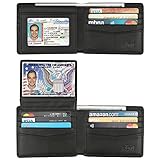
To protect your cash and cards from theft, consider using a money belt or an RFID-blocking wallet. Money belts are a discreet way to carry your cash securely, while RFID-blocking wallets protect your cards from electronic pickpocketing, which can be a risk in crowded areas.


Notify Your Bank of Travel Plans
Before you leave, let your bank or credit card company know about your travel plans. This helps prevent your cards from being frozen due to suspected fraud when charges suddenly appear from a foreign country. Most banks and credit card companies allow you to set a travel notice online or via their mobile app.
Emergency Cash & Handling Leftover Currency
It’s always wise to carry a small emergency cash reserve—around $20–$100 in local currency—in case of power outages, ATM failures, or card machine issues. Travelers on Reddit often recommend keeping just enough cash for a snack or a taxi ride, like “20 or 30 € on hand” in Europe. These unexpected moments can pop up, from a black‑out in Spain to a metro machine that doesn’t accept cards.
When you return home with coins or bills, don’t let them collect dust. Here are smart ways to use leftover money:
- Spend it near the end of your trip: Use it for small purchases or ask your hotel if they’ll accept it toward your final bill.
- Exchange at a bank or trusted FX provider: Many banks and currency exchanges buy leftover cash back—better than letting it gather dust.
- Use local coins at vending machines: A clever and convenient option—coffee, snacks, or public transit .
By preparing for emergencies and thinking ahead about unused cash, you stay smart, resourceful—and avoid leaving value behind.
✨Playful trip inspiration
Not Sure Where to Go Next?
Take a quick, low-pressure travel quiz and let GaiaGazer match you with destinations, travel styles, and ideas that actually fit your energy, budget, and season of life.
- Fun, bite-sized questions—no sign-up required to play.
- Results tailored for families, couples, and solo explorers.
- Perfect for sparking new trip ideas when you’re stuck deciding.
6. Bonus: Currency Exchange for Frequent Travelers
Set Up a Multi-Currency Account
For frequent travelers, setting up a multi-currency account can save time and money. Services like Wise and Revolut offer multi-currency accounts that allow you to hold multiple currencies and transfer between them at near interbank rates. This reduces the need to constantly exchange money at kiosks or banks.
Consider Currency Exchange Apps
Frequent travelers can also benefit from apps like Revolut or Wise, which offer low-cost currency exchanges and the ability to hold multiple currencies in a digital wallet. These apps often provide better rates than traditional banks and can be used to pay for services or withdraw cash abroad.
Track Your Spending with TravelSpend
For frequent travelers or families managing multiple currency withdrawals, consider using the TravelSpend app alongside your other travel tools. Designed specifically for travelers, TravelSpend lets you log expenses on the go—offline—automatically converting costs into your home currency. It also allows easy cost splitting for group travel and visualizes your remaining budget in real time. It’s a smart companion to Wise or Revolut, helping you stay on top of your spending after exchanging money.
Handling Currency Exchange for Travel Infographics by Elias JireisConclusion
Handling currency exchange while traveling doesn’t have to be complicated. By using local ATMs, avoiding airport kiosks, and choosing the right credit or debit cards, you can minimize fees and get better exchange rates. Planning ahead, using the right tools, and being mindful of hidden fees will ensure you can focus on enjoying your trip without worrying about money.
What are your top tips for handling currency abroad? Share your experiences in the comments below!
Your Ultimate Travel Companion
Frequently Asked Questions About Currency Exchange for Travelers
Q: What’s the best way to get foreign currency when traveling abroad?
A: The most cost-effective way is to use local ATMs at your destination. They usually offer better exchange rates than airport kiosks or currency exchange counters. Just make sure your bank charges low or no foreign transaction and withdrawal fees.
Q: Should I exchange money before or after arriving in another country?
A: It’s smart to exchange a small amount before your trip to cover immediate needs (like transport or snacks). For the best rates, withdraw larger sums from a local ATM after you arrive, or use a multi-currency card like Wise to convert funds at near-market rates.
Q: What is Dynamic Currency Conversion (DCC), and why should I avoid it?
A: DCC is when you’re offered the choice to pay in your home currency rather than the local one. While it sounds convenient, it usually comes with a poor exchange rate and extra fees. Always choose to pay in the local currency when using cards abroad.
Q: Are tools like Wise or Revolut safe and reliable for currency exchange?
Q: Is it better to use a debit card or a credit card abroad?
A: Use a credit card for purchases whenever possible—it usually offers better fraud protection and competitive rates. Use a debit card (preferably with low international fees) to withdraw cash. Avoid using credit cards for ATM withdrawals to skip high interest charges.
Q: How can I minimize ATM fees while traveling internationally?
A: Use travel-friendly bank accounts that reimburse foreign ATM fees or partner with global ATM networks. Withdraw larger amounts less frequently to reduce per-use charges, and avoid third-party ATMs with high surcharge fees.
Q: What’s a multi-currency account, and who should use one?
A: A multi-currency account lets you store and exchange different currencies within a single account, often at near-interbank rates. Frequent travelers or remote workers who deal with multiple currencies can save money and simplify finances using tools like Wise.
Q: Are airport currency exchange booths really that bad?
A: Yes, generally speaking. Airport kiosks are known for offering some of the worst exchange rates with high fees. If you must use one, only exchange a small amount for immediate use and wait to convert the rest elsewhere.


📌 Love cultural travel? Explore more ideas on Pinterest →




Comments