
Beyond Flamenco and the Cathedral: Discovering Seville’s Secrets
There’s something undeniably magnetic about Seville — the rhythm of flamenco echoing through narrow lanes, the scent of orange blossoms wafting in the air, and the sun gilding its golden rooftops. Most travelers come here to see the big names: the Alcázar, the Cathedral, Plaza de España. But the truth is, Seville’s most enchanting experiences often hide behind unmarked doors and down quiet cobbled alleys.
This guide takes you far beyond the tourist trail — into the places where locals linger over tapas, artisans still shape clay by hand, and courtyards whisper stories of centuries past. If you’re looking for hidden gems in Seville that reveal the city’s authentic side, you’re in the right place.
Locals often say Seville isn’t a city you see — it’s a city you feel.
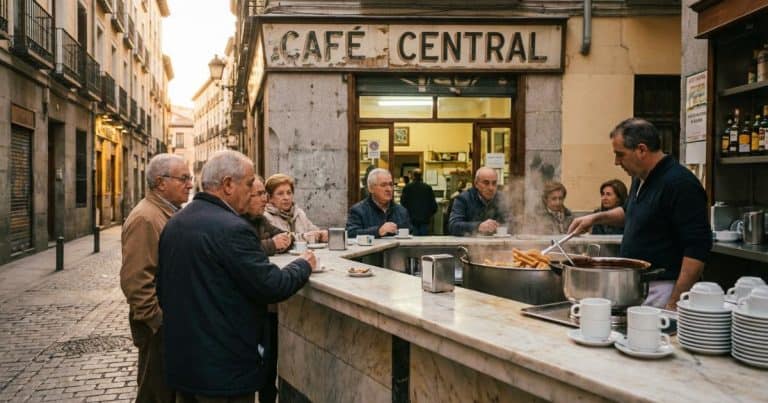
Beyond the postcard-perfect plazas, mornings begin with the scent of coffee drifting from narrow cafés, neighbors chatting in shaded courtyards, and flamenco chords echoing from hidden rehearsal rooms. It’s in these unassuming moments — the laughter spilling out of Triana’s taverns or the hush inside an old convent — where Seville reveals its truest self. These are the stories most visitors miss, and the ones you’ll remember most.
TL;DR (Too Long; Didn’t Read)
This guide uncovers Seville’s most authentic hidden gems — from artisan workshops and secret courtyards to tapas bars where locals gather. You’ll explore the soulful Triana district, peaceful convents, and offbeat green spaces that most visitors miss. Perfect for families and cultural explorers alike, it also includes practical tips, boutique stay ideas, and immersive local experiences to help you discover the Seville only insiders know.

✨ Free travel toolbox
Free London map & travel toolkit
Grab a beautifully organized London travel map plus a mini bundle of planning resources to make future city trips feel calmer and more intentional.
- Key neighborhoods, highlights, and photo-friendly spots
- Simple tools for budgeting, bookings, and navigation
- Designed for busy, tech-savvy travelers and families
No spam, ever — just thoughtful travel emails and resources you can actually use.
Map of Seville’s Hidden Gems
Use this interactive map to locate Seville’s hidden treasures — from artisan workshops in Triana and secret courtyards in Santa Cruz to peaceful convents, lively tapas bars, and quiet green spaces. Save it on your phone or Google Maps app to explore each gem at your own pace.
Tip: Tap the layers icon on the map to switch between categories like Tapas & Markets, Secret Patios, and Green Spaces. Each pin includes notes on what to see, local tips, and when to visit.
Triana — Seville’s Soul Across the River
Just across the Guadalquivir River lies Triana, the neighborhood that pulses with Seville’s true spirit. Once home to gypsies, sailors, and potters, Triana remains a lively blend of art, music, and craftsmanship.
Walk Through the Artisan Heartbeat
Triana’s streets are lined with ceramic workshops that keep Andalusia’s tile-making tradition alive. Stop by Cerámica Santa Ana, a century-old shop where you can still watch artisans paint vibrant azulejos (tiles) by hand. If you’re traveling with kids, short tile-painting workshops offer a fun, creative way to bring home your own piece of Seville.
The district’s Calle San Jorge and Calle Alfarería reveal a living museum of colors — balconies draped in geraniums and shop windows gleaming with ceramics that once adorned palaces and monasteries.
Riverside Tapas and Flamenco Bars Locals Love
By evening, Triana transforms into a hub of energy and rhythm. Stroll down Calle Betis, where riverfront bars like Casa Cuesta or Las Golondrinas serve classic Andalusian tapas with unbeatable sunset views.
When the music calls, step into La Anselma, one of Seville’s oldest and most authentic flamenco clubs. No flashy stage lights — just raw emotion, clapping hands, and a voice that makes your heart race. This is flamenco the way locals experience it: passionate, imperfect, and unforgettable.
Triana Market & Riverside Morning Walk
Start your day where locals do: Mercado de Triana. Tucked beside the bridge, this covered market hums from early morning with fishmongers calling orders, bakers sliding warm loaves, and stalls stacking olives and oranges. Grab a quick breakfast—tostada with tomato and olive oil, or a slice of tortilla—and watch the morning rhythm unfold.
From the market, step onto Puente de Isabel II (Puente de Triana) and pause by the small Capilla del Carmen for river views. Follow the promenade and loop down to Calle Betis, where pastel facades mirror in the Guadalquivir. It’s a gentle, photogenic walk that captures Triana’s everyday charm—before the evening buzz arrives.
- What to try: Seville-style olives, jamón cones, fresh fruit cups; late breakfast tapas at a market bar.
- Best time: 9:00–11:00—lively but not crowded; vendors have the best pick.
- Photo ideas: Stalls stacked with citrus, river reflections from the bridge, tilework along Triana’s facades.
- Local tip: Bring small change and order “media ración” to sample more without filling up.
👉 Trusted travel tools
Helpful links that keep trips smoother and costs in check.
Wise: fair currency exchange
Pay like a local and avoid hidden FX fees when booking trains, stays, and tours.
VisitorsCoverage: flexible cover
Compare travel insurance options that fit your trip length, style, and budget.
Airalo: easy local data
Install an eSIM before you fly so maps, tickets, and messaging work the moment you land.
Palacio de las Dueñas — A Noble Retreat Few Tourists Enter
While the Alcázar dazzles with grandeur, Palacio de las Dueñas offers intimacy and quiet charm. Once the residence of the Duchess of Alba, it’s an architectural gem that fuses Gothic, Renaissance, and Moorish influences.
Wander through serene courtyards shaded by orange trees, admire intricate archways, and discover treasures like old manuscripts, paintings, and personal artifacts that feel more like a family home than a palace.
It’s a peaceful oasis — ideal for travelers craving culture without the crowds. Come early in the morning, and you might just have the courtyard fountains all to yourself.
The Convent of Santa Paula — Sweets and Silence
Hidden behind modest stone walls, the Convent of Santa Paula offers one of Seville’s most heartwarming traditions. Cloistered nuns here have been making handmade sweets since the 15th century — recipes passed down through generations.
Visitors buy through a small wooden turntable (so you never see the nuns directly), adding to the mystery. Choose from almond cookies, candied oranges, or yemas (egg yolk sweets), each wrapped carefully with love.
Beyond the sweet ritual, the convent’s small museum showcases sacred art, tapestries, and religious relics that transport you to another era. It’s one of those unusual things to do in Seville that lingers long after you leave — part spiritual, part cultural, entirely authentic.
Hidden Courtyards and Secret Patios of Seville
If there’s one word that defines Seville’s beauty, it’s patio. Every spring, the city bursts into bloom for the Festival de los Patios, where residents open their flower-filled courtyards to the public. But you don’t have to visit in May to experience their magic.
Wander through San Bartolomé or Santa Cruz, where ivy-covered doors hide serene courtyards filled with tinkling fountains, blue tiles, and the scent of jasmine. Some boutique hotels and guesthouses even allow guests access to private patios — perfect for a quiet morning coffee surrounded by Andalusian artistry.
To uncover more, join a local patio-themed walking tour through platforms like GetYourGuide or Viator. These small-group tours often include access to private homes where locals proudly share their hidden oases.
Best boutique hotels & hidden stays in Seville
Prefer charm over chain hotels? These intimate stays deliver Seville’s soul in quiet courtyards, restored palacios, and stylish Triana hideaways — perfect for couples, cultural explorers, and families who want character and calm.
Hotel Amadeus & La Música
Music-themed boutique set around serene patios, with rooftop views of the Cathedral. Quiet rooms, tasteful décor, and a location that’s steps from hidden lanes yet away from the crowds.
Best for: Couples & culture lovers who want ambience and walkability.
Triana House
A chic hideaway on the “local” side of the river, minutes from artisan workshops and riverside tapas. Intimate feel, beautiful tilework, and that neighborhood vibe you came for.
Best for: Design-forward travelers seeking authentic Triana atmosphere.
Casa del Poeta
A restored 17th-century mansion built around a tranquil courtyard. Candlelit evenings, live guitar, and attentive service create an old-Seville mood that’s hard to leave.
Best for: Romantic stays and slow-travelers seeking serenity.
Palacio Pinello
Boutique rooms inside a historic palace with Mudejar details and a peaceful inner patio. Close to big sights but tucked on a quiet street for easy downtime.
Best for: First-timers who want character, comfort, and a central base.
Tip: Request rooms facing interior patios for extra quiet, and plan check-ins during siesta hours when the old town feels its calmest.
Metropol Parasol’s Hidden Layers
At first glance, Metropol Parasol (nicknamed “Las Setas” or The Mushrooms) looks futuristic — a stark contrast to Seville’s classical charm. But beneath its wooden canopy lies an extraordinary secret: the Antiquarium.
This underground museum showcases Roman mosaics, ancient walls, and relics discovered during the site’s construction. It’s one of the city’s most overlooked attractions — especially fascinating for families traveling with kids who enjoy history and discovery.
After exploring, take the elevator to the top terrace for panoramic views of Seville’s skyline. Stay for golden hour; watching the city glow under the setting sun from Las Setas’ viewpoint is pure magic.
Tapas the Locals Don’t Tell You About
Forget the glossy tapas bars in tourist hubs — Seville’s best bites are often found in dimly lit taverns with no English menus.
Head to La Macarena or San Lorenzo, two neighborhoods beloved by locals. Order classics like espinacas con garbanzos (spinach with chickpeas), salmorejo (a thicker cousin of gazpacho), and montaditos (small sandwiches).
Insider tip: look for chalkboard menus — they usually list daily specials at unbeatable prices. Places like Bodega Dos de Mayo or Bar Eslava are local favorites where the atmosphere is lively but unpretentious.
And remember, tapas time in Seville doesn’t start until around 8:30 p.m. — so take it slow, sip a local tinto de verano, and let the evening unfold the Sevillano way.
Hidden Green Spaces — Escape the Heat and Crowds
Seville’s heat can be intense, but its parks and gardens offer soothing retreats that often go unnoticed.
Parque de María Luisa’s Secret Corners
Most visitors rush through this park to see Plaza de España, but venture deeper and you’ll find shaded fountains, romantic benches, and duck-filled ponds perfect for families with young kids.
Jardines de Murillo and Alameda de Hércules
For a more local vibe, stroll through Jardines de Murillo, once part of the Royal Alcázar’s grounds, or Alameda de Hércules, the city’s oldest public garden. Alameda’s bohemian charm — street musicians, art stalls, and weekend flea markets — makes it ideal for travelers seeking a slower, community-driven experience.
Consider renting bikes or e-scooters (easily bookable through GetYourGuide or Viator) to explore these green havens at your own pace.
🗺️Interactive travel maps
See Your Trip Come Alive on the Map
A peek at how GaiaGazer’s curated travel maps look right inside your Google Maps app—ready to guide you through each city.


1 / 4
Local Workshops and Hands-On Experiences
To truly experience Seville, don’t just observe — participate. The city offers plenty of workshops that connect travelers with its cultural roots.
Learn flamenco from professional dancers in intimate studios, master the art of paella sevillana in a local kitchen, or paint traditional tiles with artisans in Triana.
These small, guided experiences go far beyond sightseeing — they offer connection, storytelling, and a touch of creative adventure. Platforms like GetYourGuide and Viator (see below) feature authentic options vetted by locals, making them a convenient way to support small businesses while immersing yourself in Seville’s cultural heartbeat.
Memorable Mentions — More Hidden Treasures Worth Seeing
If you have extra time, add these to your list:
- Casa de Pilatos – A stunning fusion of Mudejar and Italian Renaissance architecture, often compared to a mini Alcázar.
- Hospital de los Venerables – A peaceful Baroque sanctuary featuring beautiful frescoes and a quiet courtyard café.
- Mercado de Feria – Seville’s oldest market, offering everything from fresh seafood to Andalusian wine.
- Centro Andaluz de Arte Contemporáneo – A modern art museum housed in a former monastery — perfect for a creative afternoon.
Practical Tips for Discovering Seville’s Hidden Gems
- Best Time to Visit: Spring (April–May) and autumn (September–October) offer mild weather and lively festivals.
- Getting Around: Seville is best explored on foot or by bike. For regional connections (like day trips to Córdoba or Granada), use Omio to compare train and bus options easily.
- Local Etiquette: Don’t rush meals — Sevillanos dine late and linger long. Greet shopkeepers with a friendly “buenos días” or “buenas tardes.”
- Money Matters: Avoid airport exchanges; instead, use Wise for low-fee currency conversion and local payments.
- Packing Tip: Bring breathable clothes, a refillable water bottle, and sunscreen — the Andalusian sun doesn’t play around.
Discover the Seville Only Locals Know
Seville isn’t a city that reveals its magic all at once. It’s a place that rewards curiosity — where every courtyard, every bar, every corner holds a quiet surprise. The real Seville lives in its whispered stories and everyday rhythms, not its guidebook highlights.
So next time you visit, trade the crowds for cobblestones, the postcards for personal discoveries, and let Seville share its secrets — one hidden gem at a time.
Plan your Seville adventure
Ready to experience the Seville only locals know? Whether you’re after culture, cuisine, or quiet courtyards — GaiaGazer can help you shape a trip that feels calm, personal, and beautifully paced.
Start with the free AI itinerary builder, or upgrade to a fully curated, human-reviewed Seville experience.
Your Ultimate Travel Companion
FAQs About Seville’s Hidden Gems
Are Seville’s hidden gems walkable?
Yes—most are clustered within or near the historic center (Triana, Santa Cruz, La Macarena, San Lorenzo). Expect cobblestones and occasional narrow lanes; comfortable shoes are essential. For longer hops, use bikes/e-scooters or taxis.
How many days do I need to see the hidden spots?
With 2–3 full days you can cover highlights (Triana workshops, Santa Paula, patios, Las Setas/Antiquarium, tapas). Four days lets you add slower neighborhood strolls and a workshop (tile-painting, flamenco, or cooking).
What’s the best time to explore hidden courtyards and patios?
Spring (April–May) and autumn (Sept–Oct) offer mild weather and floral patios. In summer, go early morning or evenings; in winter, enjoy crowd-free museums and cozy tapas bars.
Are these places kid-friendly?
Many are: Triana’s market and tile studios, parks (Parque de María Luisa), and Las Setas/Antiquarium are great with children. For tapas, aim earlier evenings and choose bars with seating over stand-up counters.
Do I need Spanish to enjoy off-the-beaten-path spots?
Not strictly, but a few basics help. Menus at true local bars may be in Spanish—pointing to chalkboard specials works fine. A translation app and polite greetings (“hola,” “gracias”) go a long way.
Any etiquette tips for convents and private patios?
Dress modestly, keep voices low, and avoid flash photography. At convents, follow posted instructions (e.g., turntable purchases) and bring small change. For private patios on tours, ask before photographing residents.
How do I avoid crowds at popular “secret” spots?
Go early on weekdays, book the last entry for smaller sites, and favor shoulder seasons. For tapas, arrive right at opening or after the late-evening rush; for markets, aim for mornings.


📌 Love cultural travel? Explore more ideas on Pinterest →





Comments