Introduction: Choosing the Right Moment for Greece
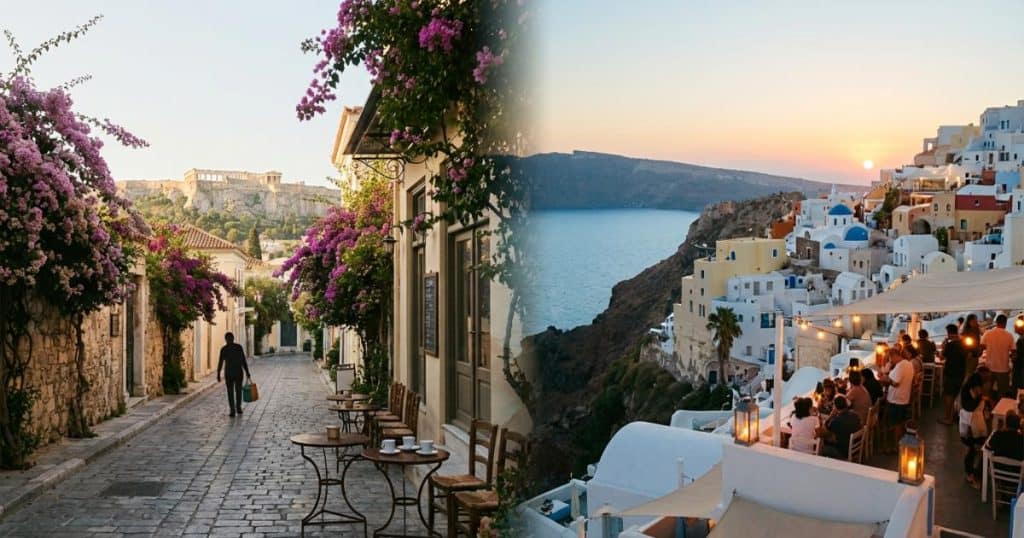
Some mornings in Greece begin quietly. A pale sun rises over marble ruins, cafés pull their chairs onto empty sidewalks, and the air still carries a hint of cool from the night before. Other days unfold late and loud—warm evenings stretch past midnight, waterfront promenades hum with conversation, and the scent of grilled seafood drifts through the air long after dark.
This contrast is why timing matters so deeply here. The best time to visit Greece isn’t just about temperatures on a chart. It’s about how the country feels—how fast or slow your days move, how crowded the streets are, and how connected you feel to local life.
In this guide, you’ll find more than seasonal averages. We’ll explore how Greece changes throughout the year, looking closely at weather, crowd levels, costs, and the overall travel rhythm each season brings. Whether you’re planning a relaxed family trip, a culture-focused city escape, or a sun-soaked island stay, this article will help you choose the moment that fits your travel style—not just the calendar.
TL;DR • Greece seasons at a glance
When Greece feels just right—for you
The best time to visit Greece depends less on temperature and more on the rhythm you want—quiet or lively, relaxed or social. Each season offers a distinctly different travel experience.
- Spring & autumn: The most balanced months—mild weather, fewer crowds, and an easy pace across cities and islands.
- Summer: Peak season brings hot days, busy destinations, and warm seas—ideal for beach trips, less so for slow sightseeing.
- Winter: Quiet and local-focused, best for city travel, museums, and travelers seeking authenticity over beach time.
- Who it suits: Families often prefer shoulder seasons, couples enjoy spring and autumn calm, and cultural explorers thrive outside peak summer.
Gentle takeaway: choose your travel dates based on pace and atmosphere first—weather alone doesn’t define Greece.

✨ Free travel toolbox
Free London map & travel toolkit
Grab a beautifully organized London travel map plus a mini bundle of planning resources to make future city trips feel calmer and more intentional.
- Key neighborhoods, highlights, and photo-friendly spots
- Simple tools for budgeting, bookings, and navigation
- Designed for busy, tech-savvy travelers and families
No spam, ever — just thoughtful travel emails and resources you can actually use.
Understanding Greece’s Travel Seasons at a Glance
If you want quick clarity before diving into details, this is where to start. Greece follows a clear seasonal pattern, but each phase offers a very different experience beyond simple climate shifts.
Greece’s Three Main Travel Seasons Explained
Peak season runs through the heart of summer. This is when Greece feels most animated—beaches are lively, ferries are full, and tourism is in full swing. It’s vibrant and energetic, but also the busiest and most expensive time to visit.
Shoulder season sits on either side of summer, in spring and autumn. These months bring balance: pleasant weather, fewer crowds, and a more relaxed pace. Many travelers find this to be the most rewarding time to explore both cities and islands.
Off-season covers the winter months. Tourism slows dramatically, and Greece shifts back into a more local rhythm. While beach life fades, cultural depth and authenticity take center stage.
How Seasons Affect More Than Just Weather
Seasonality in Greece shapes the entire travel experience.
Crowd density changes how you move through a place. A sunlit archaeological site in April feels very different from the same site under August heat and heavy foot traffic.
Prices and availability also follow the seasons closely. Flights, accommodations, and even ferry schedules fluctuate, affecting flexibility and planning ease.
Perhaps most importantly, the cultural atmosphere shifts. In quieter months, daily life feels more personal and grounded. In peak season, the energy is celebratory but faster, louder, and more outward-facing.
Understanding these rhythms helps you choose not just when to go—but how you want Greece to meet you.
👉 Trusted travel tools
Helpful links that keep trips smoother and costs in check.
Wise: fair currency exchange
Pay like a local and avoid hidden FX fees when booking trains, stays, and tours.
VisitorsCoverage: flexible cover
Compare travel insurance options that fit your trip length, style, and budget.
Airalo: easy local data
Install an eSIM before you fly so maps, tickets, and messaging work the moment you land.
Spring in Greece (March–May): Fresh, Calm, and Culturally Rich
Spring is one of the most rewarding periods within the broader Greece travel seasons, especially for travelers who value atmosphere and ease.
What Spring Feels Like Across Greece
Spring arrives gently. Landscapes turn green, wildflowers bloom across hillsides, and days grow steadily warmer without tipping into heat. Evenings remain cool enough for light jackets, especially in March and early April.
Cities like Athens and Thessaloniki feel energized but not overwhelmed. On the islands, life begins to stir again—restaurants reopen, ferries increase frequency, and coastal towns regain their color without the summer rush. Rural areas and mountain villages are especially beautiful, with crisp air and clear views.
Crowds and Costs in Spring
Spring is a classic example of the Greece shoulder season. Visitor numbers rise gradually, but popular attractions remain manageable. Lines are shorter, streets are walkable, and spontaneous plans are easier to make.
Costs tend to be lower than in summer, particularly in March and early April. By May, prices begin to climb slightly, but still offer good value compared to peak season.
Who Spring Is Best For
Spring suits travelers who want depth without pressure.
Couples often appreciate the romantic calm—soft light, uncrowded viewpoints, and long walks without heat.
Cultural explorers benefit from comfortable sightseeing conditions and a slower pace that encourages museum visits and neighborhood wandering.
Families find spring especially forgiving. Days are mild, distances feel shorter, and young travelers cope better with walking-heavy itineraries when temperatures stay reasonable.
Summer in Greece (June–August): Sun-Soaked Energy and Peak Travel
Summer is Greece at its most iconic—and its most intense. This period defines the Greece peak season and delivers exactly what many travelers come seeking.
Summer Weather: What to Realistically Expect
Summer heat varies by region. Mainland cities can feel hot, particularly in July and August, with daytime temperatures often climbing high. Coastal areas and islands are more comfortable, thanks to sea breezes.
The Meltemi winds, common in the Aegean during mid to late summer, help moderate temperatures on many islands. They can be refreshing for beachgoers, though occasionally disruptive for ferry travel or calm-water swimming.
Crowds, Prices, and Popular Hotspots
July and August bring the highest visitor numbers. Famous islands and historic centers are busy from morning to late night. Prices for accommodation and transport peak, and advance planning becomes essential.
That said, not all places feel equally crowded. Larger islands, lesser-known regions, and destinations with multiple towns can still offer space and breathing room—especially if you adjust your daily schedule.
Who Summer Is Best For
Summer is ideal for travelers who thrive on energy.
Beach lovers and island-hoppers enjoy warm seas, long daylight hours, and fully open services.
Festival seekers and nightlife fans find the social calendar at its richest, with events, music, and celebrations filling evenings.
Families traveling during school holidays can still enjoy summer comfortably by pacing days carefully—early starts, midday breaks, and coastal accommodations make a noticeable difference.
Autumn in Greece (September–October): Warm Seas, Softer Pace
Autumn is often overlooked, yet it’s one of the most balanced and satisfying times to visit Greece.
Why Autumn Is a Hidden Sweet Spot
September and October hold onto summer warmth without summer crowds. The sea remains inviting, days stay bright, and evenings cool just enough to feel comfortable.
This period blends the best of both worlds—lingering beach weather and renewed calm.
Crowd Levels and Travel Rhythm
As schools reopen and peak holidays pass, visitor numbers drop. Popular sites feel accessible again, and travel logistics become smoother. Ferries still run frequently, and many seasonal businesses remain open through October.
Sightseeing becomes more relaxed, and spontaneous detours feel possible again.
Who Autumn Is Best For
Autumn suits travelers seeking balance.
Couples and slow travelers enjoy unhurried days and atmospheric evenings.
Food lovers and wine-region explorers benefit from harvest season, when local flavors feel especially vibrant.
Families who can travel outside peak school schedules find autumn warm, manageable, and far less hectic than midsummer.
Planning helper • Stays by season
Choosing where to stay by season in Greece
In Greece, the “right” stay isn’t just about the neighborhood — it’s about timing. These quick seasonal cues help you book the kind of base that matches the pace you want (and avoids the most common planning regrets).
Peak summer (July–August)
Prioritize location and comfort: walkability, shade, and a breezy base matter more than ever. Book earlier on popular islands so you’re choosing what fits — not what’s left.
Shoulder season (spring & autumn)
This is the flexibility sweet spot. You can often find better value, more room to compare options, and easier last-minute adjustments without sacrificing atmosphere.
Winter (Nov–Feb)
Choose year-round bases in cities and larger islands. Look for central areas near transit, museums, and restaurants that stay open beyond the summer calendar.
Family-friendly shortcut
For walking-heavy days, pick a base that reduces friction: short transfers, easy meals nearby, and a place that makes breaks simple (especially in heat or rain).
Winter in Greece (November–February): Quiet, Authentic, and Local
Winter is Greece at its most understated—and for some travelers, its most meaningful. While it’s not the season most people picture, it offers a side of the country that feels grounded, lived-in, and deeply human.
Winter Weather by Region
Winter weather varies widely across Greece.
Coastal cities like Athens, Nafplio, and Thessaloniki remain relatively mild, with cool days and occasional rain rather than cold extremes. Inland regions and higher elevations can feel much colder, and Greece’s mountainous areas may see snowfall, especially in northern regions.
Island weather depends heavily on location. Larger islands with resident populations stay active year-round, while smaller seasonal islands become very quiet.
What Winter Travel Really Feels Like
Winter strips Greece back to its essentials.
Without crowds, the focus shifts from sightseeing checklists to everyday moments—local cafés, neighborhood bakeries, unhurried museum visits. Archaeological sites feel contemplative rather than performative, and conversations with locals tend to linger a little longer.
Many coastal resorts close for the season, but city life continues at a comfortable, unhurried pace.
Who Winter Is Best For
Winter works best for travelers who value depth over spectacle.
Cultural explorers appreciate empty museums, relaxed archaeological sites, and authentic city rhythms.
Repeat visitors often love winter for returning to familiar places without distractions.
Travelers focused on cities rather than beaches find winter ideal for learning, wandering, and observing daily Greek life.
🗺️Interactive travel maps
See Your Trip Come Alive on the Map
A peek at how GaiaGazer’s curated travel maps look right inside your Google Maps app—ready to guide you through each city.


1 / 4
Month-by-Month Snapshot: Greece Weather & Crowd Overview
If you prefer a more granular approach, this month-by-month overview helps match expectations with reality. While weather varies by region, these patterns reflect the general travel experience across Greece.
Quick Monthly Breakdown
January–February
Cool, quiet, and local-focused. Best for cities, museums, and cultural immersion. Minimal crowds.
March–April
Spring begins. Wildflowers bloom, temperatures rise, and travel feels calm and flexible. Ideal for sightseeing and cultural exploration.
May
Early summer energy arrives without peak crowds. Warm days, open services, and excellent balance across regions.
June
Comfortable heat and increasing activity. A strong option for travelers seeking warmth without full peak-season intensity.
July–August
Hottest months and busiest period. Lively atmosphere, warm seas, and packed destinations—best for beach-focused trips.
September
One of the most balanced months. Warm water, fewer crowds, and relaxed pacing across cities and islands.
October
Soft light, mild days, and a quieter feel. Great for mixed itineraries combining culture, food, and coastal time.
November–December
Tourism tapers off. Cooler, slower, and reflective—well-suited for city travel and returning visitors.
Choosing the Best Time to Visit Greece for Your Travel Style
There’s no single answer that fits everyone. The right timing depends on how you want your days to feel.
Best Time for Couples
Spring and autumn tend to offer the most romantic balance. Comfortable weather, quieter streets, and atmospheric evenings make it easier to connect with both the place and each other.
Winter can also work beautifully for couples who enjoy cozy cafés, cultural experiences, and a slower pace.
Best Time for Families
Late spring and early autumn are often the most forgiving for family travel. Mild temperatures make walking easier, and fewer crowds reduce daily stress.
Summer works best for families tied to school holidays when accommodations are chosen carefully and days are planned with rest breaks and flexible pacing.
Best Time for Cultural Explorers
Spring, autumn, and winter all support deeper cultural travel.
These seasons allow more space for museums, archaeological sites, and everyday interactions without the distractions of peak tourism.
Best Time for Budget-Conscious Travelers
Shoulder seasons and winter offer the most flexibility and value. Prices are lower, availability is higher, and itinerary changes are easier to manage.
Travelers willing to prioritize atmosphere over beach conditions often find these months especially rewarding.
✨Playful trip inspiration
Not Sure Where to Go Next?
Take a quick, low-pressure travel quiz and let GaiaGazer match you with destinations, travel styles, and ideas that actually fit your energy, budget, and season of life.
- Fun, bite-sized questions—no sign-up required to play.
- Results tailored for families, couples, and solo explorers.
- Perfect for sparking new trip ideas when you’re stuck deciding.
Memorable Mentions: Timing Tips Most Travelers Overlook
- Greece’s seasons feel different depending on region—what’s crowded on one island may feel calm on another.
- Festival dates can dramatically affect crowds, even outside peak season.
- Smaller islands feel seasonal more intensely than larger ones with year-round populations.
- Choosing when to visit often matters more than choosing where.
Conclusion: Let the Season Shape Your Greek Story
Greece doesn’t offer one perfect moment—it offers many, each with its own rhythm and reward. The key is understanding how seasons shape not just the weather, but the pace, energy, and emotional tone of your trip.
When you choose the best time to visit Greece for your travel style, the country meets you where you are—whether that’s in quiet reflection, shared family moments, or sunlit celebration.
If you’ve traveled to Greece before, your favorite season might surprise you. And if you’re planning your first visit, aligning timing with intention can turn a good trip into a deeply memorable one.
If you have a favorite season—or questions about planning around your priorities—feel free to share them. Greece has a way of feeling different every time you return.
Frequently Asked Questions About the Best Time to Visit Greece
A few calm, practical answers to the questions travelers ask most when choosing dates for Greece—weather, crowds, and how the trip will actually feel.
If I want fewer crowds but still warm weather, what month is the best compromise?
September is often the easiest “best of both worlds” month: the sea is still warm, but the busiest summer wave has started to ease. May and June can also feel wonderfully balanced, with comfortable temperatures and a calmer pace than July–August.
Is Greece worth visiting in winter if I’m not doing a beach trip?
Yes—winter can be excellent for city-focused travel and cultural exploration, especially in places like Athens and Thessaloniki. You’ll find fewer visitors, a more local rhythm, and easier museum-going, though some island resorts and seasonal businesses close.
How different do the islands feel compared to the mainland in the same season?
In summer, islands often feel breezier and more sea-oriented, while inland cities can feel hotter and more intense during the day. In winter, the mainland stays lively year-round, but smaller islands can become very quiet—great for solitude, less ideal if you want lots of dining and nightlife choices.
What’s the best time to visit Greece with kids if we’ll be walking a lot?
Late spring and early autumn are usually the most comfortable for walking-heavy days with children, thanks to milder temperatures and gentler crowds. If you’re traveling in summer, plan earlier starts, slower midday pacing, and shaded breaks so the day still feels enjoyable.
How far ahead should I plan if I’m traveling during Greece’s peak season?
For July and August, it’s smart to lock in the basics earlier—especially popular islands and the most convenient ferry times. Planning ahead gives you better choices and a calmer trip overall, while shoulder seasons typically allow more flexibility and last-minute adjustments.

Created by a travel-obsessed couple with years of real-world trips
Your Journey, Beautifully Organized
Free AI Itinerary Builder
A gentle, fast way to shape your perfect trip — tailored routes, family-friendly pacing, and cultural picks in seconds.
- Instant day-by-day plans
- Adapts to your style & timing
- Save, edit, and refine anytime
Premium Curated Trips
Prefer a fully handcrafted experience? Let our travel designers create a seamless, beautifully balanced itinerary for you.
- Expert human planning
- Handpicked stays & experiences
- Flexible support levels


📌 Love cultural travel? Explore more ideas on Pinterest →



Comments