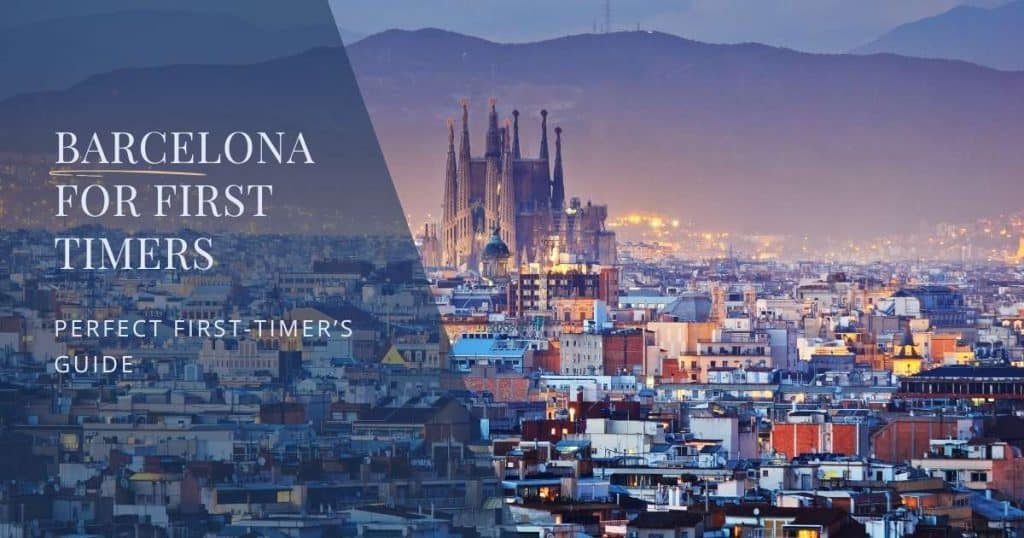
¡Bienvenido a Barcelona! Your 3-Day Itinerary Starts Here
If it’s your first time in Barcelona, you’re about to fall head over heels for one of Europe’s most captivating cities. A mix of modernist art, Mediterranean breeze, and vibrant Catalonian energy, Barcelona invites travelers to explore its layers — from Gaudí’s surreal architecture to sun-drenched beaches and cozy tapas bars tucked into winding alleys.
This Barcelona 3-day itinerary blends the city’s iconic highlights with local gems, balancing sightseeing with slow moments — perfect for families, couples, and cultural explorers seeking an authentic taste of Spain’s northeastern jewel.
So, lace up your walking shoes, grab your camera, and let’s explore Barcelona in 3 days — the Gaia Gazer way: meaningful, memorable, and easy to follow.
TL;DR (Too Long; Didn’t Read)
This 3-day Barcelona itinerary blends iconic Gaudí architecture, seaside strolls, and authentic tapas experiences for first-time visitors. You’ll explore highlights like Sagrada Família, Park Güell, the Gothic Quarter, and Montjuïc Hill—balanced with local markets and beach sunsets. Designed for families, couples, and cultural travelers, it offers a meaningful, stress-free way to experience the best of Catalonia’s capital.

✨ Free travel toolbox
Free London map & travel toolkit
Grab a beautifully organized London travel map plus a mini bundle of planning resources to make future city trips feel calmer and more intentional.
- Key neighborhoods, highlights, and photo-friendly spots
- Simple tools for budgeting, bookings, and navigation
- Designed for busy, tech-savvy travelers and families
No spam, ever — just thoughtful travel emails and resources you can actually use.
Before You Go — Essential Tips for First-Time Visitors
Barcelona is one of those cities that rewards good planning. Here’s what you need to know before your trip:
When to Visit
Spring (April to June) and fall (September to October) offer the best balance of weather and crowd levels. You’ll enjoy warm sunshine without the heavy summer tourist rush.
Getting Around
Barcelona is remarkably walkable, and its metro system connects nearly every attraction you’ll visit. Buy a Hola BCN! transport card for unlimited metro, bus, and tram rides. If you’re arriving from Madrid, Valencia, or another European city, book your train or bus through Omio for easy, reliable connections across Europe.
Currency & Payments
Spain uses the euro (€). To avoid high conversion fees and get the best exchange rates, open a Wise account before your trip — you’ll be able to pay like a local and withdraw cash abroad at a fraction of the cost of bank cards.
Local Etiquette
Catalonia has its own proud identity — locals speak both Catalan and Spanish. A friendly “Bon dia” (good morning in Catalan) or “Gracias” goes a long way. Respect local customs, dress modestly inside churches, and always say hello when entering a small shop or café.
👉 Trusted travel tools
Helpful links that keep trips smoother and costs in check.
Wise: fair currency exchange
Pay like a local and avoid hidden FX fees when booking trains, stays, and tours.
VisitorsCoverage: flexible cover
Compare travel insurance options that fit your trip length, style, and budget.
Airalo: easy local data
Install an eSIM before you fly so maps, tickets, and messaging work the moment you land.
Getting Around Barcelona: Transport Made Easy
Barcelona is compact and well-connected. Mix walking with Metro for the quickest point-to-point moves, especially between Gaudí sites, the Gothic Quarter, and Montjuïc.
Metro, Buses & Passes
- Hola BCN! Transport Card: Unlimited Metro, bus, and tram for 48–120 hours—ideal for a 3-day itinerary. Grab it in advance here: Hola BCN!
- When to use single tickets: If you’re staying central and walking most of Day 1/2, buy singles only for longer hops (e.g., Montjuïc).
- Strollers & accessibility: Many stations have lifts, but not all. Allow extra time and check station info in advance.
Airport Transfers
- Aerobús: Express to Plaça de Catalunya (frequent, luggage-friendly).
- Metro L9 Sud: Budget option; change lines for the center.
- Taxi: Fastest for families with luggage; card payments widely accepted.
Day Trips & Intercity
For Montserrat, Sitges, or Girona, trains are frequent and comfortable. Compare routes and times here: Omio.
Smart Moving Tips
- Group stops to minimize backtracking (e.g., pair Sagrada Família with Passeig de Gràcia).
- Travel off-peak (10:00–16:00) for less crowded trains and platforms.
- Keep valuables zipped and front-facing on busy lines and at major hubs.
Where to Stay in Barcelona for First-Time Visitors
Choosing the right neighborhood can shape your Barcelona experience. Here’s a quick guide to the city’s most popular areas for first-time travelers — whether you’re a family, a couple, or a cultural explorer looking for charm and convenience.
-
Eixample — Central & Elegant: Home to Gaudí landmarks like Casa Batlló and La Pedrera, this grid-like district is walkable, quiet at night, and great for families or first-timers who love architecture.
Recommended stays: Mid-range hotels and boutique apartments. -
Gothic Quarter (Barri Gòtic) — Historic Heart: Cobblestone alleys, medieval façades, and charming plazas make this ideal for couples and cultural explorers. Close to Las Ramblas and the Cathedral.
Recommended stays: Character hotels or guesthouses. -
El Born — Trendy & Artistic: Walkable to the beach and full of galleries, tapas bars, and boutique shops. Best for couples and food-lovers who want creative nightlife in a safe, stylish district.
Recommended stays: Design hotels and apartments. -
Barceloneta — Beachfront Vibes: Perfect for travelers who want sea views and morning swims. Great for families with kids or those mixing sightseeing with relaxation.
Recommended stays: Beachfront hotels and vacation rentals. -
Gràcia — Local & Laid-Back: A bohemian village within the city, filled with local cafés and plazas. Ideal for slow travelers and families wanting a more authentic feel while staying just a few metro stops from the center.
Recommended stays: Family apartments and boutique guesthouses.
💡 Tip: Book early for spring and fall stays — Barcelona’s mid-range rooms sell out fast during festivals and weekends.
Day 1 — Gaudí, Gothic, and the Heart of the City
Morning: Marvel at Gaudí’s Masterpieces
Start your journey at the city’s most breathtaking icon — La Sagrada Família. Over 140 years in the making, Gaudí’s unfinished basilica is a kaleidoscope of symbolism and artistry. Its intricate spires and stained-glass light make it a must-see, especially for first-time visitors.
Tip: Pre-book a skip-the-line ticket in advance (Viator or GetYourGuide offer reliable options).
From there, stroll along Passeig de Gràcia, Barcelona’s most elegant avenue. You’ll find two of Gaudí’s residential masterpieces — Casa Batlló and Casa Milà (La Pedrera) — both UNESCO-listed and brimming with organic forms and vibrant mosaics that kids and adults alike find mesmerizing.
Afternoon: The Gothic Quarter & Tapas Time
After a Gaudí-filled morning, dive into Barcelona’s historic core — the Barri Gòtic (Gothic Quarter). Lose yourself in a maze of medieval streets where every turn feels cinematic. Visit the Barcelona Cathedral, admire the gothic arches of Plaça del Rei, and enjoy a coffee at Café de l’Opera on La Rambla, one of the city’s most famous streets.
Lunch calls for tapas — try Bar del Pla or Tapeo, both beloved by locals for traditional dishes like patatas bravas and pimientos de padrón.
Evening: A Leisurely Stroll on Las Ramblas
As the sun sets, wander Las Ramblas, Barcelona’s lively pedestrian boulevard that stretches from Plaça de Catalunya to the port. Pop into the Mercado de la Boqueria, a sensory explosion of colors and flavors — from fresh fruit to cured jamón.
End your night with a rooftop drink overlooking the city skyline — Hotel 1898’s terrace offers some of the best views for your first evening in Barcelona.
Booking & Timing Tips for Sagrada Família, Park Güell & Picasso Museum
- Sagrada Família: Reserve timed-entry at least 3–7 days ahead in peak seasons. Early slots (08:45–10:00) offer softer light and fewer crowds. Consider adding a tower visit if you’re comfortable with heights.
- Park Güell: Capacity is limited; buy tickets in advance and aim for first entry or late afternoon for cooler temps and gentler shadows.
- Picasso Museum: Closed Mondays; free slots sell out quickly—book standard tickets in advance to avoid queues.
- Skip-the-line options: For trusted timed-entry or small-group tours, check Viator, GetYourGuide, or Tiqets.
- Photo & comfort tips: Bring a light layer for churches, respect quiet zones, and allow buffer time for bag checks.
Day 2 — Art, Parks, and the Mediterranean Breeze
Morning: Park Güell — A Fairytale in Mosaic
No trip to Barcelona is complete without visiting Park Güell, one of Gaudí’s most whimsical creations. Originally designed as a residential garden city, it’s now a public park brimming with colorful tiles, curved benches, and panoramic views of the city.
Arrive early — crowds grow quickly — and bring water and snacks. The park is a hit for families, with winding paths and fantasy-like architecture that feels straight out of a children’s storybook.
Afternoon: El Born’s Artistic Soul
From the park, head to the El Born district, where creativity meets charm. Wander through cobblestone streets lined with boutique stores, independent art galleries, and small cafés.
Visit the Picasso Museum for a glimpse of the artist’s early works and his deep connection to Barcelona. Art lovers can also explore the nearby MEAM (European Museum of Modern Art) — a quieter alternative with equally moving exhibits.
For lunch, locals swear by El Xampanyet, a lively tapas bar that’s been pouring sparkling cava and serving anchovies for nearly a century.
Evening: Sunset by the Sea
Head to Barceloneta Beach for a relaxing seaside evening. Walk or bike along the promenade, stop for an ice cream, or watch street performers at sunset. If you’re with kids, there’s plenty of open space for play and fresh sea air.
Dinner options range from the famous Can Majó (seafood paella) to casual tapas at La Bombeta, where locals gather for fried croquettes and good conversation.
Local Tip: Bring a light jacket — the coastal breeze can get cool after sunset, even in summer.
Day 3 — Culture, Views, and Local Life
Morning: Montjuïc’s Magic
Start your final day with sweeping views of the city from Montjuïc Hill. Take the cable car for a scenic ride up — it’s a favorite for families and photographers alike.
At the top, explore Montjuïc Castle, a historic fortress offering panoramic views of the harbor, and stroll through the Montjuïc Gardens. If you’re an art enthusiast, don’t miss the MNAC (Museu Nacional d’Art de Catalunya) — its Renaissance and Baroque collections rival many of Europe’s best.
Afternoon: Local Markets & Neighborhood Discoveries
Skip the tourist-heavy La Boqueria this time and visit Mercat de Sant Antoni instead — a vibrant local market where you can shop for regional delicacies, artisan goods, and vintage finds.
Grab lunch at La Paradeta, a self-serve seafood market restaurant where you pick your fresh catch of the day. It’s a fun, authentic experience that travelers often miss.
Evening: Farewell from the Bunkers del Carmel
End your Barcelona journey with a golden sunset from Bunkers del Carmel, a hilltop viewpoint with one of the most breathtaking panoramic views in Spain. Bring a small picnic, some cava, and let the skyline sparkle as the city lights up beneath you.
This is Barcelona at its best — lively yet peaceful, modern yet timeless.
Budget Snapshot: How Much Does 3 Days in Barcelona Cost?
Typical per-person, per-day ranges (excluding flights). Actual spend varies by season, neighborhood, and booking window.
Budget
- €80–€120 total/day
- Street eats & menu del día
- Hola BCN! + free sights
- Timed-entry for 1 key site
Mid-Range
- €140–€220 total/day
- Tapas + 1 sit-down meal
- Hola BCN! + 2–3 paid sites
- Coffee & snacks budgeted
Premium
- €260–€400+ total/day
- Top restaurants & drinks
- Guided tours & taxis
- Museum passes or add-ons
Tip: Reserve big-ticket items first (Sagrada Família, Park Güell). Use a transport pass for predictable costs, and book popular restaurants a few days ahead.
Best Time to Visit Barcelona
Barcelona is a year-round destination. Choose your dates based on weather tolerance, crowd levels, and events.
- January–March: Cool & quiet, best for lower prices and museums. Occasional rain; pack layers.
- April–June (Spring sweet spot): Mild temps, longer days, blooming parks. Sant Jordi (Apr 23) and early summer events begin—book key tickets early.
- July–August (Peak summer): Hottest and most crowded; midday sightseeing can be tiring. Plan early/late visits, hydrate, and reserve restaurants.
- September–October (Fall sweet spot): Warm seas, fewer crowds. La Mercè (late Sept) brings fireworks and castellers—spectacular but busy.
- November–December: Cooler, festive lights and Christmas markets from late Nov. Great for culture-first trips and value hotel rates.
Pro tip: For this 3-day itinerary, spring and fall balance crowds, weather, and daylight—ideal for families and first-time visitors.
Plan your perfect 3-day Barcelona break
Turn this first-timer itinerary into a day-by-day plan tailored to your pace — whether you’re a couple, family, or culture-lover. Enjoy stress-free routes, smart timing, and real local flavor across Gaudí icons, Gothic lanes, and seaside sunsets.
- Custom day-by-day schedule that fits your dates
- Smart sequencing to reduce backtracking
- Kid-friendly picks & cultural must-dos
Free to try. No hassle.
Safety & Common Scams to Avoid in Barcelona
Barcelona is generally safe, but pickpocketing can occur in busy areas (Las Ramblas, Metro hubs, beaches). Stay relaxed and use these practical habits:
- Bags & phones: Wear cross-body; keep zippers closed and in front of you on trains and at street performances.
- Typical scams: “Petition clipboard,” “spilled drink” distraction, fake police asking to see your wallet. Politely decline and walk away.
- ATMs & payments: Use indoor ATMs where possible; shield your PIN. Contactless is widely accepted.
- Taxis & rides: Use licensed taxis (black & yellow) or official ranks; confirm the meter is on.
- Beach smarts: Don’t leave belongings unattended while swimming; rotate watch within your group.
If something happens: Call 112 (EU emergency). File a report with the Mossos d’Esquadra for insurance claims. Keep passport photos and card numbers stored securely.
Memorable Mentions — If You Have Extra Time
- Camp Nou Stadium Tour – A dream stop for FC Barcelona fans.
- Hospital de Sant Pau – A stunning Art Nouveau complex that’s often overlooked.
- Tibidabo Amusement Park – Perfect for families with kids and those who love panoramic thrills.
- Poble Espanyol – A miniature Spain featuring architecture and crafts from every region.
🗺️Interactive travel maps
See Your Trip Come Alive on the Map
A peek at how GaiaGazer’s curated travel maps look right inside your Google Maps app—ready to guide you through each city.


1 / 4
Conclusion — Barcelona: A City That Captures Hearts
Three days in Barcelona might not feel like enough — and that’s the beauty of it. The city leaves you wanting more: one more walk through Gaudí’s surreal world, one more seaside sunset, one more bite of churros con chocolate.
This Barcelona 3-day itinerary gives you a foundation to experience the city’s heart, culture, and color — and leaves plenty of room for your own discoveries.
Ready to plan your own version of this trip? Try Gaia Gazer’s Free AI Travel Itinerary Builder to craft a personalized Barcelona adventure that fits your pace, passions, and travel style.
Because here at Gaia Gazer, we believe travel isn’t just about seeing places — it’s about connecting with them.
Wander Together, Cherish Forever.
Your Ultimate Travel Companion
Frequently Asked Questions About Visiting Barcelona in 3 Days
Q: What is the best time of year to follow this 3-day Barcelona itinerary?
A: The best time to visit Barcelona is during spring (April–June) and fall (September–October). These seasons offer pleasant temperatures, fewer crowds, and more affordable accommodation options. Summer can be very hot and crowded, while winter is cooler but still mild compared to northern Europe.
Q: Can this Barcelona 3-day itinerary work for families with children?
A: Absolutely. Barcelona is one of Europe’s most family-friendly cities. Parks like Park Güell, beaches such as Barceloneta, and attractions like Montjuïc cable car rides are all great for kids. Many restaurants also welcome families and provide child-friendly menus.
Q: How much walking is involved in this itinerary?
A: Expect to walk between 8–12 kilometers (5–7 miles) per day, depending on your pace and sightseeing interests. The itinerary mixes walkable neighborhoods like the Gothic Quarter with attractions easily reached by metro or bus. Comfortable shoes are essential.
Q: Is public transport the best way to get around Barcelona?
A: Yes. The city’s metro and bus network is efficient and affordable. The Hola BCN! card offers unlimited public transport for set periods, making it ideal for short trips. Taxis are available, but the metro is usually faster and cheaper for most destinations.
Q: Do I need to buy tickets in advance for attractions like Sagrada Família or Park Güell?
A: Yes. These are among Barcelona’s most popular attractions, and entry slots often sell out days ahead. Booking skip-the-line tickets online before your visit saves valuable time and ensures availability.
Q: Is three days enough to see the main highlights of Barcelona?
A: Three days are enough to cover most of the city’s key sights—Gaudí landmarks, the Gothic Quarter, beaches, and Montjuïc. However, those wanting to explore museums in depth or take day trips to Montserrat or Sitges may want an extra day.
Q: How safe is Barcelona for tourists?
A: Barcelona is generally safe, but like many major European cities, it has occasional pickpocketing in busy areas such as Las Ramblas and metro stations. Keep valuables secure, stay alert, and use cross-body bags or money belts when sightseeing.
Q: What local dishes should first-time visitors try in Barcelona?
A: Don’t miss tapas favorites like patatas bravas and croquetas, seafood paella, and sweet churros con chocolate. Pair your meals with cava, Catalonia’s sparkling wine, for a complete local experience.


📌 Love cultural travel? Explore more ideas on Pinterest →


Comments