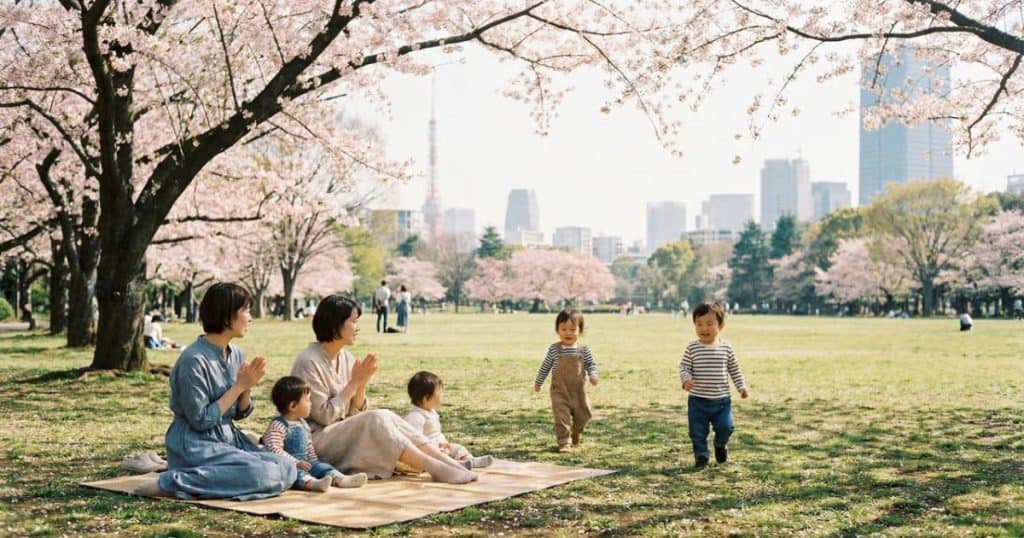
Introduction: Finding Space to Breathe in Tokyo with Kids
Tokyo can feel like a city in constant motion. Trains glide in every few minutes, streets hum with quiet efficiency, and neon signs flicker above narrow lanes packed with life. For families visiting with young children, that energy can be thrilling—but also a little overwhelming if you don’t know where to pause.
What surprises many parents is how generously Tokyo balances that intensity with calm. Scattered between busy neighborhoods are expansive green spaces where kids can run freely, parents can sit for a moment, and the city’s rhythm softens. These aren’t just decorative gardens or tourist photo stops. They’re living, breathing spaces designed to be used—by families, grandparents, toddlers wobbling on new legs, and kids who simply need to move.
That’s where Tokyo parks for kids quietly become one of the city’s greatest gifts to traveling families.
Think of these parks as reset buttons. A place to let off steam between temples and museums. A chance to eat a convenience-store picnic under tall trees. A moment where your children aren’t asked to be quiet, careful, or patient—just free.
This guide is a curated, parent-tested list of Tokyo’s parks and playgrounds that families genuinely enjoy. Not just famous names, but places that work in real life: with strollers, snack breaks, short attention spans, and the natural ups and downs of traveling with kids.
TL;DR • Tokyo parks & playgrounds for families
Tokyo’s best “reset moments” between big sights
Tokyo can feel fast — but its parks are where your trip can slow down. These family-friendly green spaces offer room to run, calm places to snack, and playground stops that make sightseeing days easier for everyone.
- Best overall calm break: Shinjuku Gyoen is stroller-friendly and spacious — perfect for toddlers who need open grass more than big equipment.
- Best for high-energy kids: Yoyogi Park has a relaxed vibe and wide-open space for balls, scooters, and picnic blankets (especially fun on weekends).
- Best for mixing culture + downtime: Ueno Park lets you pair short museum moments with fresh air, benches, and easy pacing for mixed ages.
- Plan it like a parent: Add a park stop every day (or every other day), pack simple snacks + wipes, and use parks to reset moods between neighborhoods.
- Small but lovely bonus: Neighborhood playgrounds can be the quietest, most local-feeling stops — ideal when you just need “easy” for 20 minutes.
Gentle reminder: even 30–45 minutes in a park can change the whole day — especially with younger kids and tight itineraries.
Why Tokyo’s Parks Are a Hidden Gift for Families
Tokyo’s parks rarely make the top of typical sightseeing lists, yet they quietly solve many of the challenges families face while exploring the city. They offer space, structure, and relief—all without feeling chaotic or unsafe.
Across the city, family parks in Tokyo and thoughtfully designed Tokyo playgrounds reflect a deep cultural respect for shared public space. They’re clean, calm, and surprisingly welcoming, even in the heart of busy districts.
Designed with Children (and Parents) in Mind
Japanese public spaces are shaped by intention. Parks are clean not because of heavy policing, but because of shared responsibility. Equipment is maintained, paths are smooth, and signage is clear without being intrusive.
Playgrounds often feel calmer and more orderly than those in many large cities. You won’t usually find towering, high-risk structures or overstimulating colors. Instead, play equipment is simple, functional, and spaced out—encouraging cooperative play rather than competition.
For parents, this translates into something invaluable: peace of mind. You can sit on a nearby bench, keep your child in sight, and relax—something that’s not always easy while traveling.
A Pause Between Sightseeing Moments
Children experience cities differently than adults. Museums, shrines, and shopping streets can quickly blur together, especially for younger kids. Parks help regulate that overload.
A short stop at a park can reset everyone’s mood. Energy gets burned off. Snacks get eaten without rushing. Adults slow down without guilt.
Picture this: shoes kicked off near a bench, a crinkling snack bag opened, and kids racing across open grass under tall trees. The city noise fades into the background. For a while, Tokyo feels softer—and your day feels balanced again.

✨ Free travel toolbox
Free London map & travel toolkit
Grab a beautifully organized London travel map plus a mini bundle of planning resources to make future city trips feel calmer and more intentional.
- Key neighborhoods, highlights, and photo-friendly spots
- Simple tools for budgeting, bookings, and navigation
- Designed for busy, tech-savvy travelers and families
No spam, ever — just thoughtful travel emails and resources you can actually use.
Shinjuku Gyoen National Garden: Calm in the Heart of the City
Few places illustrate Tokyo’s contrast better than Shinjuku Gyoen. Just steps away from one of the city’s busiest stations, this expansive garden feels like a deep breath held in green.
It’s widely considered one of the best parks in Tokyo for children, especially families traveling with toddlers or preschoolers who need space more than stimulation.
Why Families Love It
Shinjuku Gyoen is defined by openness. Wide lawns stretch out under tall trees, paths are smooth and stroller-friendly, and sightlines are long and clear. Parents can easily keep an eye on children without hovering.
There’s no pressure to “do” anything here. Families can wander slowly, sit quietly, or let kids move at their own pace. That flexibility makes it especially comforting on travel days when energy levels are unpredictable.
What Kids Actually Enjoy Here
While there isn’t traditional playground equipment, children rarely miss it. What they love is freedom.
Open grassy areas invite running, rolling, and impromptu games. Gentle ponds catch attention without feeling dangerous. Seasonal changes add natural excitement—soft pink cherry blossoms in spring, golden leaves in autumn, and shaded lawns in summer.
For younger kids, these simple pleasures often beat crowded attractions.
Practical Tips for Visiting with Children
Shinjuku Gyoen has a small entrance fee, which helps maintain its calm atmosphere. Picnicking is allowed in designated areas, but alcohol and loud behavior are discouraged—something families often appreciate.
Mornings are ideal for visiting with kids. The park feels quieter, temperatures are cooler, and children tend to be more engaged. Restrooms are clean and well-distributed, and many include changing tables, making logistics easier for families with little ones.
Klook.com👉 Trusted travel tools
Helpful links that keep trips smoother and costs in check.
Wise: fair currency exchange
Pay like a local and avoid hidden FX fees when booking trains, stays, and tours.
VisitorsCoverage: flexible cover
Compare travel insurance options that fit your trip length, style, and budget.
Airalo: easy local data
Install an eSIM before you fly so maps, tickets, and messaging work the moment you land.
Yoyogi Park: Freedom, Movement, and Big Energy
If Shinjuku Gyoen is calm and contemplative, Yoyogi Park is its energetic cousin. Located near Harajuku and Shibuya, it’s one of the most popular family parks in Tokyo for active kids who need space to move.
A Park That Welcomes Noise and Play
Yoyogi Park has a noticeably relaxed atmosphere. Laughter, music, and movement feel welcome here, especially on weekends when local families gather with picnic blankets and balls.
It’s not unusual to see kids practicing scooters, teens tossing frisbees, and parents chatting while keeping one eye on playtime. The park feels lived-in and joyful rather than curated.
Playground Areas and Open Spaces
Yoyogi’s appeal lies in its flexibility. While there are playground areas suitable for younger children, the real highlight is the sheer amount of open space.
Toddlers can explore safely near parents, while older kids enjoy room for ball games or casual cycling. It’s especially well-suited for elementary-age children who’ve spent a morning walking city streets and need to burn energy.
Family Planning Notes
Weekends can get busy, particularly on sunny afternoons. Arriving earlier in the day makes a big difference if you prefer a calmer experience.
Yoyogi Park pairs beautifully with nearby neighborhoods. A morning in Harajuku followed by park time, or a relaxed picnic before wandering toward Shibuya, creates a balanced day that doesn’t exhaust anyone.
Ueno Park: Green Space with Cultural Anchors
Ueno Park works especially well for families who want to blend culture with downtime. It’s one of Tokyo’s most accessible green spaces, and its layout makes it easy to shift between learning, wandering, and play without overloading young travelers.
For families juggling different ages—or different interests—this balance can be a quiet lifesaver.
Why It Works Well for Mixed-Age Families
Ueno Park sits alongside several of Tokyo’s major museums and cultural institutions, which means families don’t need to choose between “kid time” and “culture time.” You can do both, in short, manageable doses.
Older children often enjoy the sense of exploration here: wide paths, statues, and the feeling of being somewhere important. Younger kids benefit from open areas where movement is allowed, not discouraged.
The park’s central layout makes it easy to leave and re-enter as energy levels shift.
Playgrounds vs. Wandering Paths
Ueno Park does include playground spaces, but what many kids enjoy most is the freedom to wander. Long paths invite scooting or stroller walks, while shaded areas provide natural rest stops.
For younger children, the mix of ducks near ponds, musicians passing by, and gentle activity keeps curiosity alive without overwhelming them.
Older kids tend to stay engaged longer here, especially when park time is paired with a short museum visit rather than a full afternoon indoors.
Parent Perspective
From a parent’s point of view, Ueno Park is practical. Benches are frequent. Vending machines are never far away. Restrooms are well maintained and clearly marked.
It’s a good place to recalibrate the day. A half-hour here can feel like a reset—enough to recharge before moving on, without committing to a full afternoon.
Komazawa Olympic Park: Space to Truly Let Kids Run
Komazawa Olympic Park is where Tokyo opens up. Located slightly away from the main tourist corridors, it offers a refreshing sense of scale that families often crave after days of compact city streets.
For children who need motion more than novelty, this is one of the best parks in Tokyo for children who love to move.
Best for Active Kids
This park is built around movement. Wide loops encourage walking, cycling, and scooting. Open fields stretch out without visual clutter, allowing kids to run freely and safely.
Parents often notice the shift immediately—shoulders relax, voices get louder, and energy finds a healthy outlet.
It’s especially popular with local families, which gives the park a grounded, everyday feel rather than a tourist-heavy atmosphere.
Ideal Ages and Use Cases
Komazawa works beautifully for preschoolers on balance bikes and elementary-age kids who enjoy space without constant structure. Teens may appreciate the independence it offers, while younger kids benefit from predictable paths and open sightlines.
If your family has spent several days navigating train stations and sidewalks, this park can feel like release.
Logistics for Families
Getting here is straightforward by train, followed by a short walk. Because the park is large and exposed, sun protection is important in warmer months.
Bring water and simple snacks, but don’t overpack. The park’s simplicity is part of its charm.
🗺️Interactive travel maps
See Your Trip Come Alive on the Map
A peek at how GaiaGazer’s curated travel maps look right inside your Google Maps app—ready to guide you through each city.


1 / 4
Sumida Park: River Views and Gentle Exploration
Sumida Park offers a quieter, more scenic park experience, especially appealing to families who prefer strolling over running. Stretching along the Sumida River, it invites slow exploration rather than energetic play.
This park is less about playgrounds and more about atmosphere.
A Softer, Scenic Park Experience
The river creates a sense of openness that’s rare in Tokyo. Bridges frame the view, boats pass by, and seasonal flowers add subtle color along the paths.
For families traveling with strollers or younger toddlers, this linear layout makes movement easy and predictable.
When This Park Shines
Sumida Park is especially lovely during cherry blossom season, when families gather under blooming trees and the atmosphere feels almost celebratory without being chaotic.
In the late afternoon, the light softens, and the river reflects the changing sky—an ideal moment for a calm walk after a busy morning.
Family-Friendly Realities
There’s limited traditional playground equipment here, so it’s best for children who enjoy walking, observing, or riding in strollers.
Set expectations before arriving, and treat this park as a sensory pause rather than a play-heavy stop.
What Makes a Tokyo Playground Different from Back Home
Many families notice a difference immediately when visiting Tokyo playgrounds. They feel quieter, simpler, and more intentional.
That’s not accidental.
Safety, Simplicity, and Shared Space
Play equipment in Tokyo often emphasizes balance, coordination, and cooperation rather than height or speed. Bright colors are used sparingly, and structures are spaced to reduce collisions.
Children are encouraged—subtly—to be aware of others. Parents tend to stay nearby, guiding gently rather than intervening loudly.
Cultural Note for Visiting Families
There’s an unspoken etiquette in shared spaces. Shoes are usually worn unless signage suggests otherwise. Loud behavior isn’t forbidden, but calmer play is the norm.
For visiting families, this doesn’t mean children must be silent—just mindful. Observing local behavior for a few minutes often provides all the guidance you need.
✨Playful trip inspiration
Not Sure Where to Go Next?
Take a quick, low-pressure travel quiz and let GaiaGazer match you with destinations, travel styles, and ideas that actually fit your energy, budget, and season of life.
- Fun, bite-sized questions—no sign-up required to play.
- Results tailored for families, couples, and solo explorers.
- Perfect for sparking new trip ideas when you’re stuck deciding.
Planning Park Time Into a Tokyo Family Itinerary
Parks work best in Tokyo when they’re planned intentionally, not treated as leftovers.
How Often to Schedule Park Breaks
For families with young children, aiming for one park stop per day—or every other day—can make a noticeable difference. Even 30–45 minutes can reset moods and energy levels.
Morning vs. Afternoon Park Visits
Morning visits tend to be quieter and cooler, ideal for toddlers. Afternoons work well for older kids who need to burn energy before dinner.
Let your children’s rhythms guide you rather than sticking rigidly to a schedule.
What to Pack for Tokyo Parks
A small picnic mat, wipes, water bottles, and simple snacks are usually enough. Parks are clean and well maintained, so there’s little need for backup gear.
Travel light, and let the space do the work.
Klook.comMemorable Mentions: Smaller Parks Families Often Miss
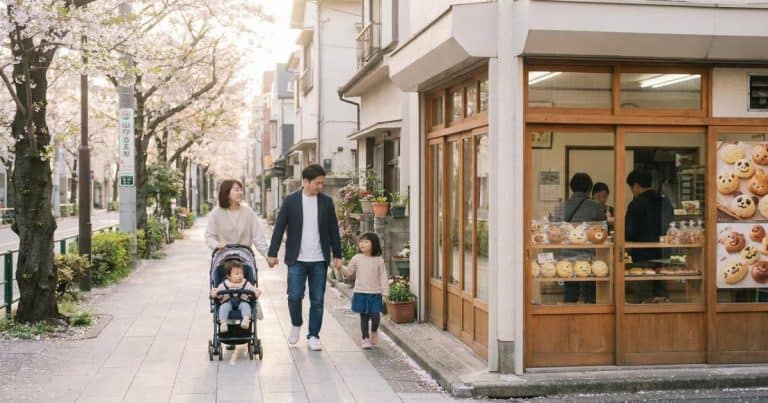
Beyond the well-known names, Tokyo is filled with neighborhood parks tucked between residential streets. These smaller spaces often include compact playgrounds, shaded benches, and a deeply local feel.
They may not appear on maps or blogs, but stumbling upon one can become a favorite family memory—especially when your kids make instant friends despite the language barrier.
Conclusion: Letting Tokyo Slow Down for Your Family
Tokyo doesn’t have to feel fast. When families weave green spaces into their days, the city reveals a gentler rhythm—one that welcomes children rather than challenges them.
Whether it’s wide lawns, river walks, or simple playgrounds, Tokyo parks for kids offer more than play. They offer balance.
As you plan your trip, leave room for these pauses. Let your children run, snack, rest, and simply exist in the city. Often, those quiet moments become the ones you remember most.
If you’ve traveled Tokyo with kids before—or discovered a park your family loved—feel free to share your experience. Every family sees the city a little differently, and that’s part of what makes it special.
Frequently Asked Questions About Tokyo Parks for Kids
A few calm, parent-friendly details that help you choose the right park, pack smarter, and keep days enjoyable in Tokyo.
Which Tokyo parks are best if I’m traveling with a stroller?
Look for parks with wide, smooth paths and open sightlines. Shinjuku Gyoen is especially comfortable for stroller walks, and Ueno Park also works well when you want benches and easy pacing. For the calmest experience, aim for mornings before local afternoon crowds.
Are Tokyo playgrounds safe for toddlers?
Generally, yes — Tokyo playgrounds tend to be well maintained, and the play areas often feel calmer than in many large cities. Still, surfaces and equipment vary, so it’s worth doing a quick “parent scan” when you arrive. If your child is very young, parks with big open lawns can be just as valuable as playground equipment.
What’s the best time of day to visit Tokyo parks with kids?
Mornings usually feel quieter, cooler, and easier for toddlers — especially in warmer months. Late afternoons can also be lovely for a gentle stroll (Sumida Park shines around golden hour). If you’re visiting on a weekend, arriving earlier helps you claim a calm corner for snacks or a picnic mat.
Do Tokyo parks have restrooms and changing facilities for young children?
Most major parks have multiple restrooms, and many include baby-changing stations — but not every restroom will, and locations can vary. If you’re traveling with diapers, it helps to note restroom spots when you enter the park. Keeping a small “quick-change kit” in an outer pocket saves time when your child decides the timing.
What’s the simplest park etiquette to know so we don’t accidentally offend anyone?
Tokyo parks are shared spaces, so “quiet consideration” goes a long way. Follow posted signs (especially around lawns, picnicking areas, and gardens), clean up after snacks, and keep an eye on kids near paths used by walkers and cyclists. If you’re unsure, watching how local families do things for a minute usually gives you the right rhythm.

Created by a travel-obsessed couple with years of real-world trips
Your Journey, Beautifully Organized
Free AI Itinerary Builder
A gentle, fast way to shape your perfect trip — tailored routes, family-friendly pacing, and cultural picks in seconds.
- Instant day-by-day plans
- Adapts to your style & timing
- Save, edit, and refine anytime
Premium Curated Trips
Prefer a fully handcrafted experience? Let our travel designers create a seamless, beautifully balanced itinerary for you.
- Expert human planning
- Handpicked stays & experiences
- Flexible support levels


📌 Love cultural travel? Explore more ideas on Pinterest →


Comments