Andalusia Road Trip Itinerary: Seville to Granada Guide

Follow Gaia Gazer for more meaningful adventures:
💡 This post may include affiliate links. We only recommend what we love — thanks for your support!

A Journey Through Southern Spain’s Soul

There’s something magical about an Andalusia road trip itinerary—the feeling of warm Mediterranean air drifting through your open window, the sight of whitewashed villages perched on cliffs, and the rhythm of Spanish life unfolding one town at a time. Southern Spain is a region shaped by centuries of Moorish influence, Roman engineering, flamenco passion, and a food culture that makes you want to linger at every stop.

Whether you’re a couple craving a romantic escape, a cultural explorer seeking authenticity, or a general traveler who simply wants a scenic, meaningful adventure, the Seville to Granada route is the perfect introduction to Andalusia’s charm. This isn’t the kind of road trip where you rush from point A to point B. It’s slow, sensual, and deeply immersive—where every village, viewpoint, pastry, and olive grove becomes part of your story.

In this guide, we’ll walk you through the most beautiful southern Spain road trip, highlighting the towns that locals love, the landscapes that surprise first-timers, and the cultural gems that make this region unforgettable.

TL;DRAndalusia road trip at a glance

Seville to Granada, the scenic slow-travel way

This Andalusia road trip itinerary takes you from vibrant Seville to soulful Granada through storybook white villages, olive-dotted hills, and Moorish history. Expect easy driving days, charming cultural stops, and long, sun-drenched afternoons perfect for travelers who love beautiful scenery and slow, meaningful adventures.

  • Top stops along the route: Carmona for hilltop views, Ronda for dramatic cliffs, Zahara de la Sierra and Grazalema for white-village beauty, and Montefrío or Guadix for unique Moorish-influenced landscapes.
  • Who this suits: Couples seeking culture and romance, slow-travelers who love viewpoints and small towns, and general explorers who want a scenic and stress-free drive between Seville and Granada.
  • How to plan it: Drive no more than 1–1.5 hours between stops, arrive early to enjoy quieter mornings, and choose stays in either Ronda or near the Sierra de Grazalema for the calmest overnight base.

Small tip: fill up before leaving the big cities, keep a light itinerary, and let the villages surprise you — Andalusia’s magic often comes from spontaneous detours and slow moments.

Digital mockup of GaiaGazer’s free London travel map and planning resources bundle on a tablet

Free travel toolbox

Free London map & travel toolkit

Grab a beautifully organized London travel map plus a mini bundle of planning resources to make future city trips feel calmer and more intentional.

  • Key neighborhoods, highlights, and photo-friendly spots
  • Simple tools for budgeting, bookings, and navigation
  • Designed for busy, tech-savvy travelers and families

No spam, ever — just thoughtful travel emails and resources you can actually use.

Sample route overview

Andalusia Road Trip Itinerary (3–5 Days)

If you’re planning a meaningful yet easy-to-follow journey through southern Spain, this flexible Andalusia road trip itinerary gives you a gentle balance of culture, scenery, and slow-travel charm. Whether you have three days or a full week, the route between Seville and Granada is simple to navigate and naturally breaks into beautiful, unhurried segments.

Below is a suggested 3–5 day structure you can follow as-is or adapt depending on your pace:

  1. Day 1

    Seville → Carmona → Arcos de la Frontera

  2. Day 2

    Arcos → Zahara de la Sierra → Grazalema → Ronda

    HighlightsWhite villages
  3. Day 3

    Ronda → Antequera (optional stop) → Granada

  4. Optional Days 4–5

    Extra time in Granada for the Alhambra, Albaicín, and Sacromonte, or add Córdoba as a cultural extension.

    PaceSlow & flexible

This structure keeps daily driving times short, highlights the region’s most iconic white villages, and gives you plenty of time to wander, eat, photograph, and soak in Andalusia’s rhythm without feeling rushed.

How the Seville to Granada Route Flows Day by Day

This Seville to Granada route is naturally linear, moving from Andalusia’s lively capital into hilltop villages, then through dramatic mountain scenery before descending into Granada’s Moorish heart. Most travelers begin in Seville, where you can enjoy a relaxed first day before picking up your rental car and heading east toward the countryside.

The journey transitions gently: historic Carmona sits between the plains of Seville and the rolling hills of the white villages; Zahara and Grazalema introduce mountain passes and sweeping viewpoints; and Ronda delivers one of Spain’s most breathtaking cliffside towns. From there, olive groves dominate the landscape until you reach Granada—home to the Alhambra, flamenco traditions, and atmospheric Moorish streets.

Because each segment feels distinct but manageable, this road trip works beautifully for couples, cultural explorers, and general travelers who want variety without long hours behind the wheel.

Why This Andalusia Road Trip Belongs on Your Bucket List

A Perfect Blend of Culture, Food & Landscapes

Few routes in Europe pack as much diversity into such a short distance. On a single drive, you’ll encounter:

  • Storybook white villages (the pueblos blancos)
  • Dramatic natural parks and limestone peaks
  • Millennia of architectural history
  • Flamenco roots echoing through quiet courtyards
  • Olive groves stretching across rolling hills
  • Tapas culture that varies from town to town

What makes Andalusia unique is how approachable it is. Even first-time visitors are drawn into its warmth and ease—friendly locals, relaxed pacing, and towns built for wandering rather than rushing.

Easy, Scenic Driving With Flexible Stops

The Seville-to-Granada route is ideal for travelers who want beauty without stress. Distances are short, highways are well-maintained, and the most beautiful stops are easily explored on foot.

If narrow medieval streets make you nervous, don’t worry—most villages have parking areas just outside the old town. This means you can enjoy the charm without navigating tight cobblestone turns.

Ideal for Couples & Cultural Travelers

This is the kind of road trip where you:

  • watch golden sunsets from ancient hilltops
  • sip local wine overlooking dramatic cliffs
  • stroll hand-in-hand through lantern-lit alleys
  • explore Moorish plazas glowing with evening light

It’s intimate, slow, and perfect for travelers who value meaningful connection—both with each other and with the destination.

Road Trip Essentials Before You Start

Best Time to Drive Through Andalusia

Southern Spain enjoys sunshine year-round, but some seasons shine brighter for road trippers:

  • Spring (March–June): Wildflowers, perfect temperatures, lively plazas
  • Autumn (Sept–Nov): Golden light, cooler days, less crowding
  • Winter (December–February): Mild weather and atmospheric cities (except mountain villages, which can be chilly)
  • Avoid August: Temperatures often exceed 40°C, making sightseeing difficult

For photography lovers and slow travelers, autumn is especially magical.

Renting a Car in Seville

Seville is the easiest starting point, with a major airport and plenty of rental options.

What you’ll need:

  • Passport
  • Driver’s license (and IDP if required by your home country)
  • Credit card for deposits

Car size matters. For navigating white villages, a compact car is far more practical than an SUV. Streets can be narrow, and older towns weren’t designed for large vehicles.

Parking tip: Many historic centers are “residents only.” Look for municipal parking lots at the edge of town—safe, affordable, and just a short walk from the action.

Budgeting for Your Southern Spain Road Trip

Traveling through Andalusia is surprisingly affordable compared to other Western European regions.

Approximate costs:

  • Fuel: €1.50–€1.75 per liter
  • Meals: €12–€20 per person for tapas dinners
  • Accommodation: €60–€130 per night depending on village/city
  • Tolls: Minimal on this route—most roads are toll-free

To manage expenses, many cultural travelers rely on Wise for low-fee EUR withdrawals and currency exchange. It’s especially helpful when local restaurants or rural shops prefer card payments or small cash transactions.


The Perfect Seville-to-Granada Road Trip Itinerary (3–5 Days)

This is where Andalusia truly shines. The route offers a natural progression from flamenco-filled plazas to clifftop villages, mountain passes, and finally the Moorish splendor of Granada.

Seville – The Lively Starting Point

Seville is the heartbeat of southern Spain and the perfect place to start your adventure. Its energy is infectious—orange trees lining the streets, horse-drawn carriages clip-clopping past Gothic towers, and the scent of jasmine filling warm evening air.

What makes Seville magical:

  • Flamenco was born here—and still lives in neighborhood taverns
  • Historical layers: Roman, Islamic, Jewish, and Baroque
  • Romantic riverside sunsets
  • Tapas bars where every bite feels like an invitation

Don’t miss:

  • A sunset stroll along the Guadalquivir River
  • A tapas crawl through Triana or Alameda de Hércules
  • Getting lost in the quiet alleyways of Santa Cruz, the old Jewish Quarter

Seville sets the tone: vibrant, soulful, and steeped in history.

Powered by GetYourGuide

Carmona – A Fortress Town Frozen in Time

Just 30 minutes from Seville, Carmona feels like stepping into a living museum—with fortified walls, sweeping hilltop views, and streets that preserve centuries of stories.

Why visit:

  • One of Spain’s oldest continuously inhabited towns
  • Dramatic fortress views from Alcázar del Rey Don Pedro
  • Peaceful plazas where locals sip coffee in the morning sun

Take time to wander through Barrio de San Felipe, a quiet neighborhood of whitewashed homes, terracotta tiles, and flower-filled balconies. Sample torta de aceite, a delicate olive-oil pastry beloved throughout Andalusia.

Carmona is an ideal first stop because it eases you into the region’s pace—calm, unhurried, and deeply rooted in tradition.

Powered by GetYourGuide

Need More Help Planning Your Trip?

Explore our most-loved guides on flight issues, safety, packing, money, and budgeting so every trip feels calmer and more prepared.

Air travel help

Flight Delayed or Canceled?

Learn your rights, what to do next, and how to handle compensation or rebooking without panic.

On-the-road safety

Travel Safety, Simplified

Calm, practical safety habits and tools that help you feel prepared without feeling overwhelmed.

Packing & gear

Pack Like a Pro

Smart packing lists, space-saving ideas, and mindset shifts that keep your suitcase lighter.

Money abroad

Currency Exchange Without Stress

How to handle cards, cash, and ATMs so you keep more of your money when you travel.

Trip budgeting

Master Travel Budgeting

Build realistic trip budgets, avoid surprise costs, and make room for the moments that matter.

The White Villages – Where Andalusia Shines Brightest

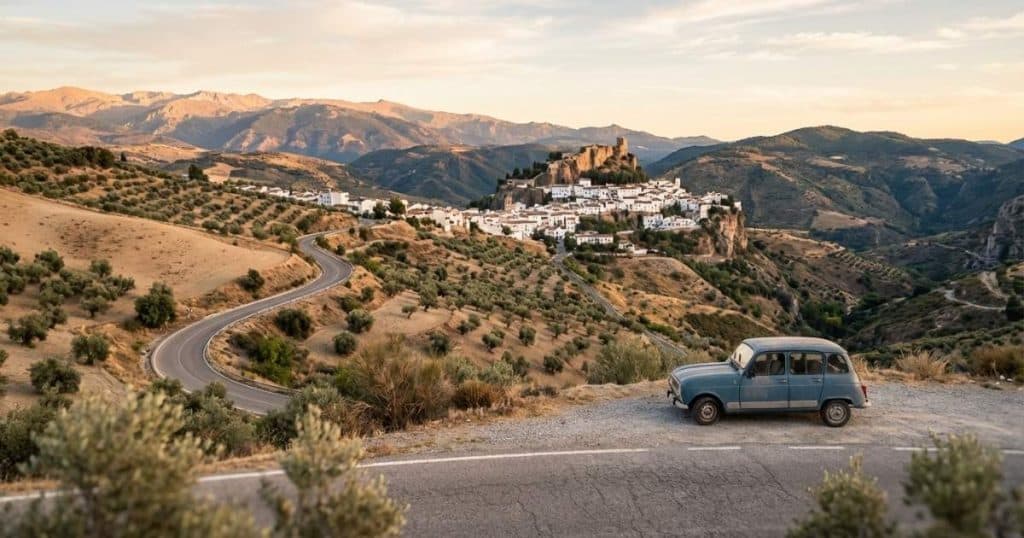
As you leave Carmona behind, the road begins to wind through the lush hills of central Andalusia. Soon, the landscape shifts—villages appear like chalk strokes against green mountainsides, each one more photogenic than the last. These are the pueblos blancos, the white villages, and they’re among the most iconic stops on any southern Spain road trip.

Arcos de la Frontera

  • Driving time: ~1 hour from Seville; ~30 minutes from Carmona.
  • Best for: First-timers, photographers, couples, easy viewpoints.
  • Plan to spend: 1.5–2.5 hours.
  • Parking tip: Park in the lower-town lots and walk up; old-town streets are very narrow.

One of the gateway villages to the region, Arcos is dramatically perched on a cliff overlooking the Guadalete River. Wander through its steep streets and discover:

  • Panoramic viewpoints from the Mirador de Abades
  • A quiet old town with orange trees and medieval houses
  • Artisan shops selling ceramics and local crafts

Arcos is stunning at golden hour, when sunlight washes over its limestone walls.

Zahara de la Sierra

  • Driving time: ~40 minutes from Arcos; ~25 minutes from Grazalema (mountain roads).
  • Best for: Jaw-dropping views, castle hike, turquoise reservoir photos.
  • Plan to spend: 1.5–3 hours (more if hiking to the castle).
  • Parking tip: Use the main car park at the village entrance — everything is walkable from there.

If there were ever a village designed for postcards, Zahara is it. Crowned by an ancient Moorish castle, its white homes spill down a rocky slope toward a shimmering turquoise reservoir.

What to do:

  • Hike (or drive) up to Castillo de Zahara for sweeping views
  • Wander through the tiny historic center
  • Stop for local honey or cheese at family-run shops

The mix of lake views and rugged peaks makes this one of Andalusia’s most breathtaking stops.

Grazalema

  • Driving time: ~30 minutes from Zahara; ~35 minutes from Ronda.
  • Best for: Nature lovers, slow wanderers, cooler temperatures, local cheese.
  • Plan to spend: 1–2 hours, or half a day if walking a short trail.
  • Parking tip: Free village lots sit just outside the center; streets are easier than Arcos.

Nestled inside a protected natural park, Grazalema is surrounded by mountain peaks and lush forests. If you enjoy outdoor walks, birdwatching, or simply quiet mountain air, this village will win your heart.

Don’t miss:

  • Trying payoyo cheese, a local specialty
  • Strolling through the village square with its mountain backdrop
  • Exploring short trails around Sierra de Grazalema Natural Park

Together, these three white villages offer a perfect blend of nature, history, and local life.

Powered by GetYourGuide

Ronda – A City Split by a Gorge

Few places in Spain are as dramatic—or memorable—as Ronda. This is a town where a deep gorge, El Tajo, splits the landscape in two, creating a natural stage for one of the most iconic bridges in Europe: Puente Nuevo.

Ronda is larger than the other white villages, yet it retains a small-town charm rooted in its Moorish past and literary fame (Hemingway adored it).

Top Experiences in Ronda

  • Walk across Puente Nuevo and admire the sheer drop into the gorge
  • Visit the Arab Baths, some of the best-preserved in Spain
  • Explore the old Moorish quarter, full of winding alleys and hidden courtyards
  • Sip local red wines at a countryside vineyard just outside town

Ronda is also one of the most romantic stops on the route—a place where time slows down and where the sunset paints the cliffs in amber tones.

Powered by GetYourGuide

From Ronda to Granada: Olive Roads & Hilltop Castles

Leaving Ronda, the road toward Granada becomes a smooth glide through wide-open countryside. This stretch is quiet, meditative, and deeply atmospheric—rolling olive groves as far as the eye can see, small farmhouses tucked into hillsides, and medieval watchtowers standing guard over the plains.

Optional Stop: Antequera

If you love ancient history or dramatic landscapes, you may want to pause in Antequera. This often-overlooked town is home to:

  • The dolmens, enormous prehistoric burial structures
  • A hilltop alcazaba with sweeping views
  • The surreal rock formations of El Torcal, perfect for short hikes

Antequera is an excellent detour for travelers who want to add something unique to their Seville to Granada route.


Granada – Where Moorish Grandeur Takes Center Stage

Your journey ends in one of Spain’s greatest cultural treasures: Granada. This is a city shaped by centuries of Islamic, Christian, and Jewish heritage—a place where every corner holds stories.

The Alhambra

The crown jewel of Granada. With intricate Islamic carvings, palace courtyards filled with trickling fountains, and sweeping views of the Sierra Nevada mountains, the Alhambra is a once-in-a-lifetime experience.

Important: Tickets often sell out weeks in advance. Book early.

Explore the Albaicín

Granada’s old Moorish quarter feels like a world aside. Cobbled lanes wind through whitewashed homes, and lanterns glow over tiny tea shops known as teterías.

Top viewpoints include:

  • Mirador de San Nicolás — iconic Alhambra views
  • Mirador de San Cristóbal — quieter but equally stunning

Dive Into Sacromonte’s Flamenco Culture

Sacromonte, with its cave homes and Roma heritage, is the beating heart of Granada’s flamenco tradition. Watching a live performance here is emotional, raw, and unforgettable.

Powered by GetYourGuide

Driving & Safety Essentials for an Andalusia Road Trip

Driving across Andalusia is surprisingly calm and enjoyable, especially compared to larger European regions. Roads are smooth, distances are short, and the landscapes shift often enough to keep every stretch interesting. With a few practical tips in mind, even first-time visitors will find the experience easy and rewarding.

  • Speed limits are straightforward: around 50 km/h in towns, 90 km/h on rural roads, and 120 km/h on highways. Signs are frequent and easy to follow.
  • Old towns have very narrow streets: it’s best to park in designated lots outside the historic center and walk in. This applies to Arcos, Zahara, and parts of Ronda and Granada.
  • Roundabouts are common: vehicles already inside the roundabout usually have right of way. Take your time—locals are patient, and traffic flows smoothly.
  • Tolls are rare on this route: the Seville → Ronda → Granada stretch is mostly toll-free, making it budget-friendly for long drives.
  • Fuel stations are frequent: but top up when leaving major towns, especially before entering mountainous or rural white-village areas.
  • Mountain roads are safe but curvy: drive slowly in Grazalema and Zahara, enjoy the views, and allow faster local drivers to pass when possible.
  • Evening driving is safe: but aim to reach your village before dark—navigating narrow lanes at night can be tiring after a full day of exploring.
  • Parking in Granada: choose lots at the base of the Alhambra hill or in Realejo; Albaicín roads are very tight and not recommended for visitors.

With these basics in mind, the Seville-to-Granada drive becomes a gentle and memorable adventure—even for travelers who aren’t normally confident behind the wheel.

🗺️Interactive travel maps

See Your Trip Come Alive on the Map

A peek at how GaiaGazer’s curated travel maps look right inside your Google Maps app—ready to guide you through each city.

Smartphone mockup displaying the Budapest 3-Day Itinerary interactive travel map by Gaia Gazer.
Smartphone mockup displaying the Ultimate Japan Travel Map with 150+ must-visit destinations by Gaia Gazer.
Smartphone mockup displaying the Rhodes Family Adventure 7-Day interactive travel map by Gaia Gazer.
Smartphone mockup displaying the Vienna Christmas Markets 2025 interactive travel map by Gaia Gazer.

1 / 4

Best Time of Year for a Seville to Granada Road Trip

Andalusia is beautiful year-round, but certain seasons bring out the best of the Seville-to-Granada journey. Because this route mixes historic cities, quiet countryside, and mountain villages, your experience can feel different depending on the month you visit.

  • Spring (March–June): The most atmospheric time to visit. Expect wildflowers around Grazalema, mild temperatures, long days, and vibrant cultural festivals in Seville and Granada.
  • Autumn (September–November): Warm, golden, and quieter. Olive groves turn lush, crowds thin out, and sunsets in Ronda are especially spectacular.
  • Summer (July–August): Scenic but hot — especially in Seville and inland areas. Start early, take long shaded lunch breaks, and plan village visits for late afternoon when temperatures soften.
  • Winter (December–February): Peaceful and budget-friendly. Expect crisp mornings, occasional fog in valleys, and cooler evenings in mountain towns. Granada can feel chilly, especially at night.

If your trip is flexible, choose late spring or early autumn for the most comfortable temperatures and the best balance between scenery, daylight, and crowd levels.

Where to Stay on This Andalusia Road Trip

Choosing the right accommodation can make the experience even more meaningful. Here’s what to look for along the way:

Seville

Opt for:

  • Boutique hotels in Santa Cruz for history
  • Riverside stays for sunset views
  • Triana for local vibes and tapas culture

White Villages

In Arcos, Zahara, or Grazalema, consider:

  • Rural guesthouses with mountain views
  • Family-run B&Bs for warm hospitality
  • Traditional homes with wooden beams and terracotta floors

Ronda

Look for cliffside hotels or restored palaces overlooking the gorge for a dramatic stay.

Granada

Stay near:

  • The Albaicín for atmospheric, lantern-lit evenings
  • Realejo for quieter, more local surroundings
  • The base of the Alhambra if you prefer nature and calm

This route offers accommodations for every style—from romantic hideaways to budget-friendly family stays.


What to Eat Along the Route

One of the greatest joys of any Andalusia road trip itinerary is the food. Each town brings its own flavors and specialties.

Tapas in Seville

Try:

  • Espinacas con garbanzos (spinach with chickpeas)
  • Salmorejo (creamy tomato soup)
  • Zanahorias aliñadas (marinated carrots)

Olive Oil Country Specialties

Between Seville and Ronda, olive oil is woven into daily life.

Look for:

  • Fresh bread with local oil tastings
  • Olive oil pastries
  • Grilled Iberian pork dishes

Ronda’s Wine & Cheese Culture

Don’t miss:

  • Local red wines (Garnacha, Tempranillo)
  • Mountain cheeses like payoyo

Granada’s Free Tapas Tradition

When you order a drink in many bars—yes, any drink—the tapas come free.

Local favorites:

  • Piononos (cinnamon-cream pastries)
  • Berenjenas con miel (fried eggplant with honey)
  • North African–inspired dishes in Albaicín cafés

Practical Tips for a Smooth Southern Spain Road Trip

Navigating Narrow Streets

Many old towns were built centuries before cars existed. Park outside the center and explore on foot—it’s easier and far more enjoyable.

Safety for Drivers

  • Respect speed limits; Spain uses frequent speed cameras
  • Watch for cyclists on mountain roads
  • Drive slowly through villages (locals often walk in the streets)

Staying Connected

  • Consider an eSIM like Airalo or Yesim for data
  • Download offline maps before driving
  • Use TravelSpend to track daily expenses efficiently

Sustainable Travel Tips

  • Support local artisans and family-run restaurants
  • Travel during off-peak hours to avoid overcrowding
  • Treat natural areas with care—leave no trace

Doing This Route With Kids

Traveling the Seville to Granada route with children is not only doable — it’s genuinely enjoyable. Distances are short, the scenery changes often enough to keep little ones entertained, and most towns offer wide plazas, safe pedestrian streets, and plenty of snack stops.

  • Best village for flexible exploring: Ronda. The viewpoints, large open squares, and short walking distances make it great for kids.
  • Best quick stop: Carmona. Easy parking, beautiful views, and minimal walking to reach the historic center.
  • Best white village for families: Zahara de la Sierra. The town is compact, walkable, and has shaded cafés perfect for rest breaks.
  • Keep drives short: Most segments are under 45–60 minutes. This makes the trip comfortable even for younger families.
  • Ice-cream culture helps: Nearly every town has a heladería or bakery — perfect for rewarding little adventurers.

If you’re traveling with toddlers or young kids, plan for earlier lunches, carry a light jacket for breezy viewpoints, and use the smoother village paths over steep alleys whenever possible.


Memorable Mentions (Optional Extra Stops)

If you have more time:

  • Setenil de las Bodegas — homes built directly into rock overhangs
  • Jerez de la Frontera — sherry bodegas and equestrian culture
  • Córdoba — a perfect add-on if extending the route
  • Caminito del Rey — a thrilling cliffside walkway for adventurous travelers

Conclusion – Your Andalusia Story Starts Here

A road trip through Andalusia is more than a scenic drive—it’s an experience that lingers. From flamenco echoing through Seville’s streets to the quiet beauty of the white villages, from Ronda’s dramatic cliffs to Granada’s Moorish palaces, every stop invites you to slow down, savor, and truly connect with Spain’s southern soul.

Whether you’re planning your first visit to Spain or returning to explore deeper cultural roots, the Seville-to-Granada route offers the perfect blend of romance, history, food, and unforgettable landscapes.

If this guide sparked inspiration, feel free to share your favorite Andalusia moments in the comments—or tell us which white village you’d love to visit first!

Plan with ease

Your Journey, Beautifully Organized

Free AI Itinerary Builder

A gentle, fast way to shape your perfect trip — tailored routes, family-friendly pacing, and cultural picks in seconds.

  • Instant day-by-day plans
  • Adapts to your style & timing
  • Save, edit, and refine anytime

Premium Curated Trips

Prefer a fully handcrafted experience? Let our travel designers create a seamless, beautifully balanced itinerary for you.

  • Expert human planning
  • Handpicked stays & experiences
  • Flexible support levels
Illustrated portrait of the GaiaGazer travel couple enjoying a winter city break
Why you can trust this guide

Created by a travel-obsessed couple with years of real-world trips

GaiaGazer Travel Editors • Family & Cultural Travel Enthusiasts

Behind GaiaGazer is a couple who has spent years exploring the world together — from rail journeys across Europe to road trips in the U.S. and city adventures in Japan. We’ve logged hundreds of travel days, tested countless itineraries with and without kids, and refined what actually feels good on the ground.

  • Extensive experience across dozens of destinations in Europe, the U.S., and Japan
  • Seasoned family travelers, used to planning days that work for toddlers, teens, and tired adults
  • Tech-savvy navigation: confident with map tools, currency apps, booking platforms, and transport planners
  • Focused on clear, practical advice that balances must-sees with downtime and realistic pacing

Every GaiaGazer guide is built from a mix of firsthand experience, careful research, and a deep respect for local culture. If you’d like extra help shaping your trip, you can start with our free AI itinerary builder or explore a more hands-on option through our Premium Curated Trips.

Need-to-know details

Frequently Asked Questions About the Seville to Granada Road Trip

Calm, practical answers to the questions travelers ask most when planning an Andalusia road trip itinerary between Seville, the white villages, Ronda, and Granada.

How many days do I need for a Seville to Granada road trip?

For a relaxed, scenic Andalusia road trip itinerary, most travelers find 3–5 days ideal. Three days lets you visit Seville, one or two white villages, Ronda, and Granada at a gentle pace. If you have five days, you can linger longer in the pueblos blancos, add a stop like Antequera or Córdoba, and enjoy slower mornings and sunset viewpoints without feeling rushed.

Is it easy to drive in Andalusia for first-time visitors?

Yes, driving in Andalusia is generally straightforward. Major roads between Seville, Ronda, and Granada are modern and well-signposted, and distances are short. The only challenging parts are narrow streets inside historic centers and some tight turns in white villages. A compact car, parking in designated lots outside old towns, and taking your time on mountain roads make the experience much easier, even if it’s your first southern Spain road trip.

Do I need a car, or can I do this route by train and bus?

A car gives you the most freedom to stop at viewpoints and smaller villages like Zahara de la Sierra or Grazalema, but you can still travel between major cities by public transport. Seville, Ronda, and Granada are all connected by trains and buses. If you prefer not to drive, consider using Seville and Granada as bases and joining small-group excursions to the white villages from either city for a more flexible southern Spain road trip without your own vehicle.

What is the best time of year for this Andalusia road trip?

The most comfortable months for a Seville to Granada road trip are usually spring (March–June) and autumn (September–November). Expect mild daytime temperatures, long enough daylight for sightseeing, and softer crowds. Summer can be very hot, especially inland, so plan earlier starts and long lunch breaks in the shade. Winter is quieter and atmospheric, but mountain villages and evening walks can feel chilly, so pack layers.

Where should I stay overnight on the Seville to Granada route?

A popular structure is: start with 1–2 nights in Seville, spend 1 night in Ronda or a nearby white village, then finish with 2–3 nights in Granada. If you prefer fewer hotel changes, you can base yourself in Seville and Ronda, then drive straight to Granada for a final stay. Couples often love cliffside or historic-center stays in Ronda, while cultural travelers enjoy Albaicín views or quieter Realejo streets in Granada.

Is parking difficult in the white villages and Ronda?

Parking inside the oldest parts of towns can be tricky, but there are usually clearly marked public lots just outside the historic center. In places like Arcos de la Frontera, Zahara de la Sierra, and Grazalema, it’s easiest to park in these lots and walk up into the village. In Ronda, several underground and surface car parks sit within a short walk of the viewpoints and bridge, which keeps the driving stress low and the exploring pleasant.

Do I need to book Alhambra tickets in advance?

Yes, it’s strongly recommended to book Alhambra tickets as early as possible, especially in spring, autumn, and during holiday periods. Daily visitor numbers are capped, and prime entry times sell out quickly. Once you fix your Granada dates in your Andalusia road trip itinerary, secure your tickets before finalizing everything else. Arriving at the Nasrid Palaces on time is essential, so allow a buffer in your schedule.

How much should I budget per day for this road trip?

Budgets vary, but many couples feel comfortable with around €90–€160 per person, per day, excluding flights. This typically covers fuel, parking, mid-range accommodation, local meals, and a couple of paid attractions. Using a low-fee travel card such as Wise and an expense-tracking app like TravelSpend helps you keep restaurants, fuel stops, and sightseeing costs visible so you can decide where to splurge and where to save without stress.

📌 Love cultural travel? Explore more ideas on Pinterest

Share this guide

Comments

Leave the first comment